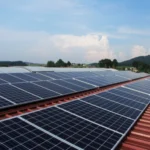
US Lawmakers Approve Tariffs on Solar Imports from Southeast Asia
A committee of the United States House of Representatives has voted to reinstate tariffs on solar imports from four Southeast Asian countries. Committee overturned the Biden administration’s decision to allow more unfair solar imports from China into the U.S.
The Ways and Means Committee said that China was clearly bypassing American tariffs. This was meant to ensure fair competition for American workers by exporting solar products through Cambodia, Malaysia, Thailand, and Vietnam.
It noted that the Department of Commerce had also found that Chinese solar manufacturers were avoiding antidumping and countervailing duties. They assembled solar cells and modules in Southeast Asia before shipping them to the U.S.
“For years, China has been evading American tariffs on solar products by sending them to the United States through Southeast Asia. Thus harming American energy jobs and leaving our supply chain under the control of the Chinese Communist Party,” the committee said. They called the decision to suspend tariffs on solar imports from these countries for two years as misguided.
In January, seven months after President Biden announced a two-year duty exemption on solar modules and cells imported from the four Southeast Asian countries, a bipartisan group of Congressmen had introduced a resolution of disapproval. They were demanding a reversal of the suspension of solar import tariffs.
The Congressional Review Act Resolution on Solar Tariffs stops the Commerce Department from implementing the Final Rule. It affected the proclamation suspending the import tariffs and preventing the issuance of any similar rule.
Last December, the Department of Commerce said that solar cells made in any of the four countries under investigation, even with wafers from China, that are then sent to another country and made into modules or other products, would not count as exports from these four countries.
Industry groups in the U.S. had opposed the investigation arguing that the pipeline projects in the country would be negatively affected, As domestic manufacturing capacity was not able to meet the increasing demand.
The ban on imports of Chinese-made panels has benefited Indian manufacturers. India’s solar module exports witnessed an unprecedented 321% hike year-over-year. Totaling $561.6 million, driven by U.S. demand, accounting for over 95% of the shipments.
Suggested Articles

What Does 1 kWp Mean in Solar Power Systems?
1 kWp is a standard unit used to measure the capacity of a solar power system under ideal conditions. This guide explains what 1 kWp means, how much energy it produces, and why it matters for system sizing.
Cable Continuity Testing in Solar Installations Guide
A complete guide to cable termination in solar installations, including tools, step-by-step methods, and best practices for safe connections.
Solar Panel Wattage, Output & Ratings: Complete Buyer Guide
Solar panel wattage and ratings decide how much electricity you generate. This guide explains panel output, efficiency, and how to choose the right solar panel for your needs.

Agrivoltaics: Merging Solar Power with Farming
Discover how solar batteries store excess energy, maximize your solar system’s efficiency, and provide reliable power during outages. Learn about the types, benefits, lifespan, and maintenance tips to make the most of your solar investment.

पीएम सूर्य घर योजना 2025 – मुफ्त बिजली पाने के लिए ऐसे करें आवेदन
पीएम सूर्य घर योजना ऑनलाइन आवेदन 2025: मुफ्त बिजली पाने की आसान स्टेप-बाय-स्टेप प्रक्रिया यहाँ पढ़ें।

Identification of Solar PV Installation Tools and Their Applications
Solar PV installation requires various tools and equipment for safe and efficient system setup. This guide explains the essential tools used by solar installers and their functions.
Earthing and Lightning Protection Required for Solar Installation – Complete Guide for Solar Installers
Earthing and lightning protection are critical safety components in solar PV installations. This guide explains their importance, types, components, and best practices for solar installers.
Solar System Grounding Conductor Size Guide
A complete guide to determining grounding conductor size for solar PV systems, ensuring safe, compliant, and reliable installations.