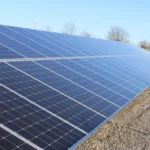
When one weighs the pros and cons of installing residential or commercial solar panels, one might not think your panels will eventually need replacement. Usually, the cost of maintenance of solar panels is very low, so some might not even think of having to replace their solar panels in due course of time. But yes, they do need replacement as the solar cells in the panels wear out with time.
After that is done, many of us don’t think about the process of solar panel disposal. It’s been an obstacle to the clean energy classification and solar energy’s sustainability. Although most solar panels are recyclable, they undergo a specialized dismantling process in recycling facilities to reclaim their valuable components. It has been an ongoing process for quite a long time now.
Let’s see how sustainable panel disposal methods are a work in progress.
Solar Panel Disposal Challenges
As already mentioned, solar panels must be dismantled for recycling and safe disposal. Recycling operations use mechanical methods to remove aluminum frames and grind the remaining glass, silicone, and metals into a glass cullet mixture. This glass cullet forms building materials and industrial applications.
Solar waste, i.e., the electronic waste generated by discarded solar panels, is sold as scrap in the country. It can increase by at least four-five-fold by the next decade. India should focus on drafting comprehensive rules to deal with solar waste.
More advanced methods are developing to extract valuable, pure materials from retired panels. These substances include glass, silicone, plastic, and metals, some of which are more valuable than glass cullet. According to the US Environmental Protection Agency, the “ideal recycling system” includes:
- Removing frames and junction boxes
- Separating glass and silicon wafer
- Purifying silicon cells and specialty metals
Sustainable Disposal Keeps Solar Panel Materials Out of Landfills
Whether breaking assemblies down to harvest components or refurbishing panels for re-use off-grid, every solar panel that stays out of landfills reduces the total accumulation of electronic waste.
Solar panel modules are e-waste that contains heavy metals, such as cadmium and lead. These contaminants can leach out of broken panel fragments and into the soil.
The Current Status of Solar Panel Disposal
The disposal issue of solar panels was not addressed in the last electronic waste management regulations in 2016. SolarPower Europe and PVCycle, supported by the European Union in India and the Union Ministry of New and Renewable Energy, could generate over 36,400 tonnes of total solar waste produced in India by the year 2030, according to a report prepared by the National Solar Energy Federation of India. Solar panels have a life of 20-25 years, so the problem of waste is still a bit distant, but growing closer nonetheless. India will likely be faced with solar waste problems by the end of this decade, and solar waste will end up being the most prevalent form of waste in landfills soon.
There are several sustainable solar equipment disposal initiatives in various states and countries. Companies that specialize in solar panel recycling offer sustainable disposal options. With solar panel life expectancy of around 25 to 30 years, and ongoing solar growth across the globe, paired with technological advances, sustainable recycling options will likely be available in the 2040s or early 2050s.