
Affordable Solar Systems and Plants for Small and Medium Enterprises
The industries should opt for rooftop solar today as there are a number of commercial advantages apart from environmental benefits. Industries can opt for solar system size ranging from few KWs to few MWs.
Solar Plants for SMEs
Typically, an on grid solar system is preferable which directly connects to the LT panel of the Discom Meter.
- Power generated from solar will directly reduce the electricity bill.
- Any surplus power generated at any time will be fed back to the Grid and stored with the Discom.
- These solar plants run through Net Metering facility provided by the Discom in which the billing and settlement happens at the end of each month. Any surplus power generated from solar plant will be carried forward to the next month. However, if there is any solar plant left unused at the end of the financial year, it will typically lapse.
- Having said that there are very slim chances that the solar power will lapse as the power generated from solar plant will not be more than 30% of the electricity bill for any industry.
As the solar system directly connects to the LT panel, the solar power gets used to run all the heavy machineries, air conditioners, motor loads etc. No batteries are used in such On-Grid systems which means that the solar system will only run when the Discom power is available.
Subsidies for solar plants for SMEs
There are no subsides available for setting up solar system in industries now which were there till 2016 as the cost of solar was high during that time. However, now the solar prices have become very affordable. For example, for the industries located in and nearby Delhi/National Capital Region (NCR) where the solar radiation levels are good, the pay backs of solar will be typically in 3-4 years.
Hence, many industries located in Okhla, Noida, Gurgaon, Faridbad, Ghaziabad, Kundali, Manesar, Neemrana, Palwal, Bawal, Bahadurgarh etc have opted for the rooftop solar plants.
Also, the Accelerated Depreciation (AD) benefit is available for installing solar plants. Factories can depreciate 40% of the solar plant capital cost in the 1st year itself. So, for a company paying 34% income tax, the cost of solar plant reduces by 13.6% in the very first year itself. 40% AD is available on the reducing balance in the next subsequent years.
Suggested Articles

Solar Inverter Wire Connection Inspection Guide
A complete guide to inspecting solar inverter wire connections, identifying damaged cables, loose terminals, and ensuring safe, efficient, and reliable solar PV system operation.
How to Perform Cable Continuity Tests in Solar PV Systems
A complete guide to cable continuity testing for solar PV systems, ensuring safe, reliable, and properly connected electrical installations.

Introducing the ESS-2000-24V Hybrid Solar Inverter: Smart Power for Modern Homes & Businesses
The ESS-2000-24V Hybrid Solar Inverter delivers intelligent power management for homes and businesses. With advanced solar charging, lithium battery support, and seamless backup, it ensures uninterrupted, efficient, and clean energy for modern users.
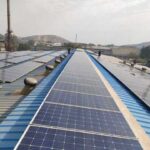
End of Rooftop Solar Subsidy for Industrial & Commercial Consumers: What You Need to Know
The rooftop solar subsidy for industrial and commercial consumers is coming to an end. This guide explains the implications for businesses, updated policies, and strategies to adopt solar power without relying on subsidies.
Electrical Equipment Bonding in Solar PV Systems
A complete guide to electrical equipment bonding in solar PV systems, including anti-oxidant application, compliance requirements, and safety best practices.
Inverter Operation and Anti-Islanding Testing Guide
A complete guide to solar inverter testing and anti-islanding performance verification, including AC system measurements and commissioning best practices.
Important Factors Deciding the Type of Solar PV System to be Installed
A solar site assessment helps installers evaluate location, shading, structure, and energy requirements before installation. This guide explains the essential steps for accurate solar system planning.
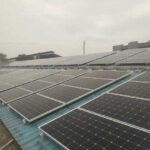
Delhi charges one of the highest tariffs for commercial load and industrial – average over Rs 10.00 per kWh
Delhi imposes some of the highest electricity tariffs for commercial and industrial consumers, averaging over ₹10 per kWh, impacting businesses and operating costs