Solar microgrid solutions are emerging as one of the most powerful ways to deliver stable, clean, and independent electricity. From industrial campuses and commercial buildings to remote villages and institutional projects, solar microgrids are transforming how energy is generated, stored, and distributed.
With rising grid instability and increasing solar energy installation cost awareness, microgrids offer a dependable way to control power supply, manage costs, and strengthen renewable solar infrastructure.
What Is a Solar Microgrid?
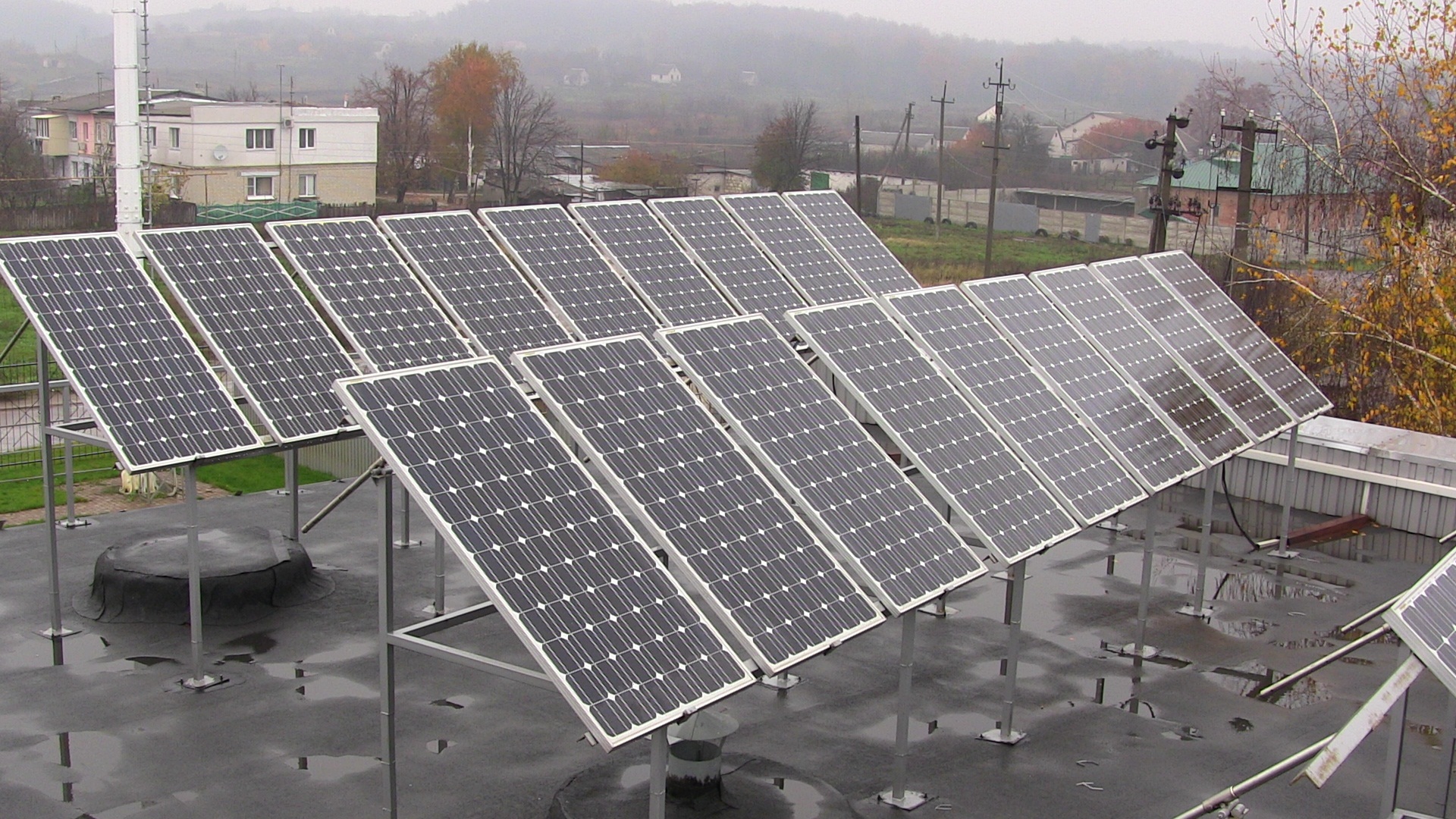
A solar microgrid is a localized power system that generates electricity using solar panels and distributes it within a defined area. It can work independently or alongside the main grid. These systems usually combine:
- Solar panels
- Battery storage
- Inverters
- Smart controllers
- Distribution network
They are designed to provide uninterrupted solar electricity even when the main grid fails.
Why Solar Microgrid Solutions Are Gaining Popularity
Solar microgrids are being adopted across India due to their ability to deliver reliable and scalable energy.
Key drivers include:
- Growing power demand
- Rising grid outages
- High diesel dependency
- Long-term savings on solar panel system cost
- Push toward renewable energy technology
They also support optimized planning for solar panel area per kW, installation design, and system performance.
Core Components of a Solar Microgrid System
A well-designed solar microgrid includes:
- Solar panel on a rooftop or ground-mounted plant
- Smart hybrid or grid-tied inverter
- Lithium or tubular battery bank
- Energy management system (EMS)
- AC/DC distribution network
- Monitoring and protection units
Together, these components define the cost of solar panels, system reliability, and overall efficiency.
How a Solar Microgrid Works
During daylight, solar panels generate electricity and supply real-time loads. Excess power charges the battery system. At night or during outages, the microgrid supplies energy from batteries, ensuring continuous operation.
In grid-connected setups, surplus power can be exported, helping reduce solar installation cost per kWh and the overall total cost of solar installation.
Key Benefits of Solar Microgrid Solutions
Solar microgrids offer both technical and economic advantages.
1. Energy Independence
Microgrids reduce dependency on unreliable grids and diesel generators, making solar energy for home use and industrial consumption more stable.
2. Cost Optimization
They lower electricity bills, reduce diesel expenses, and stabilize long-term solar roof installation costs.
3. Scalable Design
Systems can expand easily, allowing flexible control over solar module price per watt, plant sizing, and generation growth.
4. Reliable Backup
Solar microgrids ensure uninterrupted power for critical loads like hospitals, campuses, and manufacturing units.
5. Sustainability
They support renewable energy and solar energy goals while lowering carbon emissions and operational costs.
Where Solar Microgrids Are Used
Solar microgrid solutions are widely deployed across:
- Industrial parks
- Commercial buildings
- Educational campuses
- Rural electrification zones
- Defence and telecom installations
- Residential societies
They are especially beneficial in regions where solar energy installation cost is recovered faster due to high grid tariffs.
Impact on Installation Cost and ROI
While microgrids involve higher initial investment than basic systems, they offer superior long-term returns by:
- Reducing the grid purchase
- Cutting fuel costs
- Improving energy stability
- Enhancing asset life
This improves metrics such as the average cost of solar panels on a house, the cost of solar per kWh installed, and commercial payback periods.
Design Considerations in Solar Microgrids
Important factors include:
- Load profiling
- Battery autonomy requirement
- Solar panel area per kW
- Expansion capability
- Monitoring and control strategy
These aspects strongly influence home roof solar panels cost, industrial deployment budgets, and performance guarantees.
Role of Monitoring in Solar Microgrids
Real-time monitoring allows operators to track:
- Generation trends
- Battery health
- Load behaviour
- Fault alerts
This increases plant uptime and protects the long-term value of the renewable solar system.
Future of Solar Microgrids in India
With increasing grid congestion, rising energy costs, and strong renewable policies, solar microgrids will play a major role in decentralized power development. They will enable industries and communities to manage energy smartly while making solar energy economical and resilient.
Conclusion
Solar microgrid solutions are a powerful step toward independent, reliable, and sustainable power. They combine smart technology, clean generation, and energy storage into one integrated ecosystem.
At Smart Roof Solar, we design and deploy customized solar microgrid solutions for residential, commercial, and industrial projects, delivering stable performance, optimized system cost, and long-term renewable energy value.
FAQs
Q1. Can a solar microgrid operate without batteries?
Ans: Yes, grid-tied microgrids can function without batteries, but energy storage is essential for backup power and grid independence.
Q2. Are solar microgrids suitable for high-load industrial applications?
Ans: Yes, they can be engineered for heavy loads using advanced inverters, load prioritization, and scalable battery storage.
Q3. Do solar microgrids require frequent maintenance?
Ans: No, they require minimal maintenance, mainly periodic panel cleaning and system health checks.
Q4. What software is used to manage a solar microgrid?
Ans: Energy Management Systems (EMS) use AI-driven software to balance generation, storage, and load demand efficiently.
Q5. Are solar microgrids eligible for government subsidies in India?
Ans: Some commercial, institutional, and rural microgrid projects may qualify under state or central renewable schemes.