The pharmaceutical and chemical industries are among the most energy-intensive and regulation-driven industrial sectors in India. From bulk drug manufacturing and formulation units to specialty chemical processing plants, electricity is essential for reactors, HVAC systems, clean rooms, effluent treatment plants, laboratories, cold storage, and automated production lines. Rising tariffs, strict compliance requirements, and sustainability expectations have made solar for pharma and chemical industries a powerful strategic solution.
By deploying solar panel systems on manufacturing roofs, utility blocks, warehouses, and available land, pharma and chemical companies can transition toward renewable energy and solar energy, achieving long-term cost stability and environmental leadership.
Why Solar for Pharma & Chemical Industries is Ideal
Pharma and chemical plants typically operate for extended daily hours, with high base-load demand. This matches well with peak solar electricity generation, enabling strong on-site utilization and faster financial returns.
Key advantages include:
- Major reduction in electricity expenditure
- Improved operational cost predictability
- Support for critical HVAC and utility loads
- Lower carbon footprint and regulatory alignment
- Strengthened ESG and sustainability performance
- Adoption of advanced renewable energy technology
For industries where compliance, continuity, and cost control are critical, solar becomes a long-term operational asset.
Solar for Pharma & Chemical Industries : Types of Solar Systems Suitable
1. Rooftop Solar Panel Systems
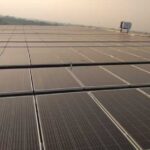
A solar panel in a rooftop system uses large factory roofs, solvent recovery blocks, and warehouse structures without impacting operations.
2. Ground-Mounted Solar Plants
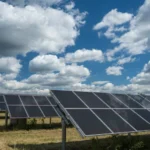
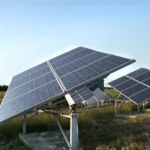
Facilities with open land can deploy large-scale solar plants to offset core production energy needs.
3. Hybrid Solar Systems
Hybrid systems integrate battery storage to support uninterrupted operation of sensitive equipment, laboratories, and safety systems.
Solar for Pharma & Chemical Industries : Installation Cost
The solar panel system cost depends on plant capacity, roof type, hazardous-area compliance, and power quality requirements.
Cost components include:
- Solar module price per watt
- Industrial inverters and protection systems
- Corrosion-resistant mounting structures
- Electrical integration and safety equipment
- Engineering, approvals, and commissioning
Commercial planning usually involves evaluating:
- Solar installation cost per kWh
- Solar energy installation cost
- Solar roof installation cost
- Total cost of solar installation
- Cost of solar per kWh installed
- Home roof solar panels cost (for R&D, admin, and office buildings)
Larger projects benefit from optimized pricing, lowering long-term energy costs.
Space Planning & Engineering Considerations
Due to strict safety and compliance standards, solar design for pharma and chemical facilities requires advanced engineering.
Key parameters include:
- Solar panel area per kW
- Chemical exposure and corrosion analysis
- Hazard zoning and cable routing
- Roof strength and fire safety compliance
- Access planning for maintenance and inspections
Professional system design ensures solar integration without disrupting regulated manufacturing processes.
Electricity Savings, Reliability & ROI
Pharma and chemical solar plants can deliver high financial impact by replacing a significant portion of grid power.
Benefits include:
- 35-75% reduction in grid dependency
- Protection against tariff volatility
- 3-5 year estimated payback periods
- Over 25 years of clean power generation
- Improved cost competitiveness
Over time, solar offers one of the lowest average cost of solar panels on a house or industrial facility, strengthening long-term financial sustainability.
Government Support and Industrial Solar Adoption
Although large-scale pharma and chemical plants do not usually qualify for direct capital subsidies, government support is extended through:
- Net metering and open-access frameworks
- Accelerated depreciation benefits
- Waivers on electricity duties
- Renewable purchase obligation mechanisms
These initiatives complement the national government solar subsidy scheme vision and indirectly promote subsidised solar panels for home and industrial establishments.
Solar for Pharma& Chemical Industries : Smart Technology used
Modern pharma solar plants deploy:
- High-efficiency industrial solar modules
- Multi-MPPT inverter systems
- SCADA-based real-time monitoring
- Remote diagnostics and predictive maintenance
- Performance optimization platforms
Advancements in renewable energy technology allow solar plants to function as intelligent, compliant, and performance-driven infrastructure assets.
Making Solar Energy Economical for Regulated Industries
As the cost of solar panels continues to decline and regulatory pressure increases, solar has become one of the most effective tools for making solar energy economical in highly regulated industrial sectors.
Solar adoption improves energy independence, stabilizes long-term budgets, and strengthens sustainability reporting and compliance performance.
Conclusion
Solar for pharma and chemical industries is not merely an energy alternative, it is a strategic infrastructure upgrade. It enables regulated facilities to secure long-term power stability, improve environmental performance, and protect operational margins.
For pharma and chemical organizations aiming to future-proof operations, enhance sustainability metrics, and manage energy risk, solar energy offers one of the most reliable and scalable solutions available today.
FAQs
Q1. Is solar power safe for pharma and chemical facilities?
Ans: Yes, systems are engineered to meet industrial safety and compliance standards.
Q2. Can solar support clean rooms and HVAC systems?
Ans: Yes, solar significantly offsets HVAC and utility power loads.
Q3. Does chemical exposure affect solar panels?
Ans: Special coatings and materials are used for chemical-resistant installations.
Q4. Can solar be installed in hazardous zones?
Ans: Yes, with certified equipment and compliant electrical layouts.
Q5. Will solar interfere with regulated production processes?
Ans: No, installations are planned to avoid operational disruption.