Manufacturing units are among the highest consumers of electricity in India. From heavy machinery and process equipment to lighting, cooling, and automation systems, power costs form a major part of operational expenses. With rising grid tariffs and increasing sustainability pressure, solar for manufacturing units has emerged as one of the most reliable and economical energy solutions.
Installing a solar panel system on factory rooftops or open industrial land helps manufacturers shift towards solar energy, reduce dependence on conventional power, and take a strong step toward renewable energy technology adoption.
Solar for Manufacturing Units is Ideal
Manufacturing facilities typically operate during daytime hours, exactly when solar electricity generation is at its peak. This natural alignment makes solar energy for home use and industrial use highly practical, especially for production-driven environments.
Solar plants help manufacturing units:
- Lower long-term electricity expenditure
- Hedge against rising grid tariffs
- Improve ESG and sustainability scores
- Ensure energy security
- Utilize idle rooftop or land space
- Contribute to renewable energy and solar energy transition
By switching to renewable solar, factories not only cut costs but also participate in making solar energy economical across industrial ecosystems.
Types of Solar for Manufacturing Units (Panels)
Manufacturing units can adopt solar in different formats depending on their power demand, land availability, and financial strategy.
1. Rooftop Solar Panel Systems
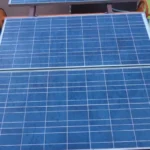
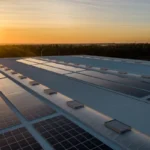
A solar panel in rooftop setup uses factory shed roofs, warehouses, and administrative blocks. It is ideal where land is limited and helps offset a major portion of daytime load.
2. Ground-Mounted Solar Plants
For large manufacturing campuses, ground-mounted systems support higher capacities such as 500 kW, 1 MW, or multi-MW installations.
3. Hybrid Solar Systems
Hybrid systems integrate batteries to support critical loads during outages, improving production reliability.
Solar Installation Cost for Manufacturing Units
The total cost of solar installation depends on capacity, panel type, structure, inverter technology, and site conditions.
Cost-related elements include:
- Solar module price per watt
- Inverter and BOS components
- Mounting structures
- Cables and protection devices
- Design, engineering, and labor
- Grid connectivity and approvals
Typical industrial decision-makers evaluate:
- Solar installation charges
- Solar energy installation cost
- Solar roof installation cost
- Solar installation cost per kWh
- Cost of solar per kWh installed
- Home roof solar panels cost (for office/admin blocks)
On average, the solar panel system cost for manufacturing units becomes significantly lower per kW as plant size increases, making large systems highly economical.
Understanding Area Requirement and System Planning
Accurate space planning is essential before installing solar.
Important design parameters include:
- Solar panel area per kW
- Roof strength and layout
- Shadow-free zones
- Orientation and tilt
- Fire and maintenance walkways
Industrial plants generally require 80-110 sq. m per 10 kW, depending on panel wattage and structure design.
Electricity Savings and ROI for Manufacturing Units
Solar drastically reduces industrial electricity bills by replacing high-tariff grid units with zero-fuel-cost power.
Key financial benefits:
- Reduction in monthly energy bills
- Payback typically within 3–5 years
- 25+ years of near-free electricity
- Protection from tariff escalation
- Improved operating margins
Over its life cycle, solar provides some of the lowest average cost of solar panels on a house or factory, making it one of the strongest long-term investments for manufacturing businesses.
Government Policies and Industrial Solar Adoption
While direct capital subsidies are limited for large manufacturing units, government support continues through:
- Net metering and open access frameworks
- Banking of solar electricity
- Accelerated depreciation benefits
- Waivers on certain state charges
- Priority grid connectivity
Programs aligned with the government solar subsidy scheme and industrial renewable initiatives continue to promote large-scale deployment of subsidised solar panels for home and industrial premises through indirect financial advantages.
Smart Technology in Industrial Solar Plants
Modern manufacturing plants are increasingly adopting:
- High-efficiency panels
- Smart inverters
- Advanced monitoring systems
- Predictive maintenance tools
With evolving renewable energy technology, manufacturers now track performance in real-time, optimize output, and improve plant health through digital platforms.
Making Solar Energy Economical for Manufacturers
Solar power is no longer just an environmental choice, it is a strategic financial move. As equipment prices fall and efficiency improves, making solar energy economical has become a practical reality for both MSMEs and large manufacturing enterprises.
With falling the cost of solar panels, rising grid tariffs, and improved financing options, solar adoption in manufacturing is accelerating across India.
Conclusion
Solar for manufacturing units represents the future of industrial power. It delivers predictable energy costs, long-term savings, and sustainability compliance while strengthening operational resilience. Whether installed on rooftops or open land, solar transforms idle space into a productive energy asset.
For manufacturers looking to stabilize expenses, increase profitability, and transition toward renewable energy and solar energy, solar power is no longer optional — it is a competitive necessity.
FAQs
Q1. Is solar for manufacturing units, suitable for heavy industries?
Ans: Yes, solar systems can be scaled to support heavy machinery loads through large rooftop or ground-mounted plants.
Q2. Can solar power run manufacturing units at night?
Ans: Only systems with battery storage or hybrid integration can supply power after sunset.
Q3. Does installing solar disrupt factory operations?
Ans: No, installations are usually executed in phases without stopping production activities.
Q4. What is the minimum capacity recommended for a manufacturing unit?
Ans: Most manufacturing units start from 50 kW and scale upward based on connected load and roof area.
Q5. Can multiple factory buildings be connected to one solar plant?
Ans: Yes, centralized and distributed systems can be designed to supply multiple structures.