
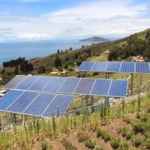
Can Solar Systems Support Industrial Motors and Machines? A Complete Guide
In past, the solar systems used to be connected with the batteries that used to store the power before it was supplied to the machines and. Appliances. These solar systems were called as the off grid solar systems and were typically used as the backup for limited purposes.
However, with the technology break through and manifold increase in the reliability of electricity supply from the Discoms, the new age solar systems directly connect to the Discoms panel and Energy Meters via certain protections and relays. No batteries are required for these On Grid Solar systems as the much-required stability to match up the intermittent nature of solar power, is provided by the Discom power. Hence, the Discom acts as the large size battery for the On Grid Solar plants.
So, the solar works only when the power is available from Discom or from the DG sets.
These On-Grid systems generate power during sunny hours which are on average 1400 hours in an year in Delhi and NCR (Gurgaon, Faridabad, Ghaziabad, Noida etc) with few hours plus or minus. So out of 8760 hours in a year, the solar is available for around 16% of time assuming the full capacity of the solar plant. The electricity units generated during the solar hours help to reduce the electricity bill of the factory while also helping the Discom to reduce the peak loads in its network. Hence, the Discoms also support the setting up of rooftop solar systems in its area through Net Metering and Banking facility.
Solar for Heavy Machines in Factories
As the solar system runs in conjunction with the Discom power or Grid, the solar power can run virtually all the machines and motors in the factory. Hence, the solar systems have been adopted by heavy load industries including steel, automobiles, textile, pharma, chemicals, furniture, cold storages etc. Think of solar supply as a small pipe connected to a many times large pipe (Discoms’ supply) while feeding the electricity demand of the machines.
As Solar System is never supplying power directly to heavy machine and equipment, there is absolutely no risk to them. Such solar systems are cost effective also as they do not have expensive storage and battery systems.
Suggested Articles

Save on Electricity in Haryana Using Net Metering: A Complete Guide
Learn how to save on electricity in Haryana with net metering. Step-by-step guide on benefits, installation, and cost savings for your home or business
UP Electricity Tariff Increase 2015-16: Rates Rise by Rs 0.40–1.00 per Unit – What Consumers need to know
Uttar Pradesh has increased electricity tariffs for 2015-16, ranging from Rs 0.40 to 1.00 per unit. This update explains the revised rates, the sectors affected, and what consumers need to know about the tariff hike.
US Lawmakers Approve Tariffs on Solar Imports from Southeast Asia
US lawmakers vote to restore tariffs on solar imports from Southeast Asia, affecting pricing, supply, and the solar industry landscape.

SECI Sets Record in Renewable Energy Trading, Surpasses ₹100 Billion
SECI achieves record renewable power trading revenue surpassing ₹100 billion, marking a milestone in India’s clean energy growth and solar market expansion.
Law Change Makes It Hard to Receive Compensation for Solar Developers
A recent law change creates hurdles for solar developers seeking compensation, impacting project viability.

Fire Hazard in a Solar Setup at Rice Mill, Kaithal – Case Study and Safety Insights
A recent fire incident at a rice mill in Kaithal highlights the critical importance of safety in solar installations. This case study analyzes the root causes, system faults, and preventive actions that can help industries avoid similar hazards in their solar setups.
Delhi Government Pledges to Boost Renewable Energy Generation
Delhi, the capital city of India, is moving towards a greener future with an ambitious plan to generate an additional 6,000 MW of electricity using renewable energy sources.

Everything You Need to Know About Solar System Earthing
Power factor after solar installation often fluctuates due to system design and load patterns. Learn the key causes, challenges, and solutions for better efficiency.