Cold storage units are among the most electricity-intensive facilities in the commercial and industrial sector. Continuous refrigeration, blast freezers, ripening chambers, and controlled-atmosphere storage systems require uninterrupted power, making energy costs one of the largest operational expenses. With rising tariffs and frequent grid fluctuations, solar for cold storage units has emerged as a practical and long-term solution.
By installing a properly designed solar panel system, cold storage operators can significantly reduce electricity bills, improve energy reliability, and move toward sustainable operations using renewable energy and solar energy.
Why Solar for Cold Storage Units is Ideal
Cold storage plants run 24×7, but their highest electricity consumption usually overlaps with daytime cooling cycles, exactly when solar electricity generation is strongest.
Key advantages include:
- Major reduction in monthly power costs
- Lower dependence on grid and diesel generators
- Stabilised long-term energy expenses
- Support for temperature-sensitive operations
- Improved sustainability and ESG compliance
- Adoption of modern renewable energy technology
This makes solar a strategic energy asset rather than just a cost-saving tool.
Solar for Cold Storage Facilities: Types of solar system
1. Rooftop Solar Panel Systems
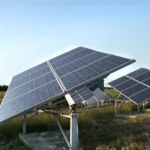
Large warehouse roofs are ideal for installing a solar panel in rooftop configuration without occupying operational land.
2. Ground-Mounted Solar Plants
Facilities with open space can deploy high-capacity plants to meet bulk refrigeration loads.
3. Hybrid Solar Systems with Battery Backup
Hybrid solutions provide power continuity, protecting stored goods during grid outages.
Solar for Cold Storage Units: Installation Cost
The solar panel system cost depends on cooling load, system size, and required reliability level.
Key cost determinants:
- Solar module price per watt
- Industrial inverter and protection systems
- Mounting structures and corrosion protection
- Electrical infrastructure and safety equipment
- Engineering, installation, and commissioning
Commonly analysed financial terms include:
- Solar installation cost per kWh
- Solar energy installation cost
- Solar roof installation cost
- Total cost of solar installation
- Cost of solar per kWh installed
- Average cost of solar panels on a house (for offices and staff facilities)
With optimal design, solar becomes one of the lowest-cost energy sources available to cold storage businesses.
Space Requirement & Technical Planning
Accurate sizing ensures system performance and safety.
Design considerations include:
- Solar panel area per kW
- Roof load-bearing strength
- Anti-corrosion structures
- Heat management and ventilation
- Maintenance access pathways
Professional assessment ensures compliance and long-term operational reliability.
Electricity Savings, Performance & ROI
Cold storage units typically consume power throughout the day, enabling high direct solar utilisation.
Key benefits:
- 35-65% electricity cost reduction
- Lower diesel fuel consumption
- 3-5 year estimated ROI period
- Long-term power price stability
- Enhanced asset valuation
This makes solar a core infrastructure investment rather than an auxiliary system.
Government Policies & Support Framework
While capital subsidies are limited for large commercial cold storages, supportive mechanisms include:
- Net-metering policies
- Open-access solar procurement
- Accelerated depreciation
- Green financing options
These frameworks support industry participation in the government solar subsidy scheme ecosystem and promote wider adoption of subsidised solar panels for home and industrial use.
Solar for Cold Storage Plants: Smart Solar Technology
Modern systems integrate:
- High-efficiency solar modules
- Multi-MPPT industrial inverters
- Real-time digital monitoring
- Predictive maintenance tools
- Energy optimisation platforms
Advanced renewable energy technology ensures higher uptime and performance consistency.
Solar for Cold Storage Businesses: Making Solar Energy Economical
Declining cost of solar panels and improved system efficiency are steadily making solar energy economical for cold storage operators. Solar offers a hedge against volatile electricity tariffs while supporting long-term business continuity.
Conclusion
Solar for cold storage units delivers dual benefits, cost control and energy reliability. Whether supporting refrigeration, freezing, or climate-controlled warehousing, solar energy provides a sustainable backbone for temperature-critical operations.
For cold storage businesses aiming to lower operating expenses, protect stored goods, and future-proof their facilities, solar power offers a proven and scalable solution.
FAQs
Q1. Can solar power run cold storage continuously?
Ans: Yes, solar combined with grid or battery backup can support 24×7 cold storage operations.
Q2. Is solar reliable for refrigeration loads?
Ans: Yes, industrial solar systems are designed to handle continuous high-load equipment.
Q3. Does solar reduce generator dependency?
Ans: Yes, it significantly cuts diesel consumption and runtime.
Q4. Can solar power blast freezers and ripening chambers?
Ans: Yes, with proper system sizing and hybrid support.
Q5. How much roof space is needed for a cold storage solar plant?
Ans: Around 90-110 sq. meters per 10 kW, depending on panel efficiency.