Sir! Solar Mein Itna Chalta Hai!” When to Reject a Site: The Truth About Shadow Analysis
Site Assessment & Shadow Analysis – An important step before Rooftop Solar PV Installation.
According to MNRE, approximate 10 sq. meters “Shadow Free” area is required for 1 kWp Rooftop Solar PV Installation. The term “Shadow Free” is very important and in this blog we will be discussing about “Site Assessment and Shadow Analysis for Rooftop Solar PV Installation”.
Shadow is one of the factors that will affect the performance of Solar PV system.
Your Solar PV System Array should be designed such that Shadow will not fall on the Solar PV Panels. Shadow can be from parapet walls, tanks, structures, trees, inter row shadow and other objects.
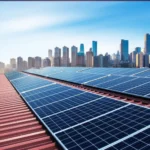
There are many objects , like parapet walls, water tanks , O/D units of AC’s, Dish of antennas, Mummty etc. which can cause shadow. As, shown in the picture above, the objects that are situated at the South Direction of the building will cause shadow on the Solar PV System. So, the system should be designed such that it avoids the shadow of these objects.
Ideally, Solar PV Rooftop System should be designed such that no shadow falls on array, on the day with longest shadow (i.e. usually from 9am to 3pm, on December 21 in Northern Hemisphere). For Shadow analysis from nearby objects and inter rows of solar array, “Solar Path Finder” should be used at the time of Site Assessment.
The thumb rule says, that we should leave at least 1.5 to 2 times the Height of object (placed in South of the building), to avoid the Shadow effect on the PV modules. The same goes with Inter Row Spacing of the Solar PV Array, at least 1.5 to 2 times the Height of the Structure should be left in between the two rows, to avoid the Shadow effect.
Now all you need is to cross check the layout design of the Rooftop Solar PV System, as provided by the installer or need to clarify this with the installer, that what distance they had left to reduce the losses due to shadow.
If it is less than 1.5 to 2 times the Object Height, and if he says “Sir! Solar Mein Itna Chalta Hai!!”, then you surely needs to change your installer.
We’ll be talking on more such issues in our future blogs.
Suggested Articles

Complete Guide To 100 kW Solar Setup Cost And Benefits In Uttar Pradesh
Planning to install a 100 kW solar power plant in Uttar Pradesh? This guide covers everything — from installation costs and available subsidies to long-term savings and payback time. Learn how investing in solar can reduce your electricity expenses and support a sustainable energy future for your business.

Civil Structural General Arrangement (GA) Drawing in Solar Projects: Complete Design & Layout Guide
A Civil Structural General Arrangement (GA) drawing in solar projects is a detailed layout that defines the placement of solar modules, mounting structures, inverters, and civil foundations. It plays a crucial role in ensuring accurate design, optimal space utilization, and smooth execution of both rooftop and ground-mounted solar installations. This guide explains the key components, design considerations, and best practices for creating effective GA drawings in solar EPC projects.

Benefits of Site Survey in Solar PV Installation
Shadow analysis is a critical step in solar site assessment. It helps solar installers identify shading obstacles and optimize panel placement for maximum energy generation.

Identification of Solar PV Installation Tools and Their Applications
Solar PV installation requires various tools and equipment for safe and efficient system setup. This guide explains the essential tools used by solar installers and their functions.

Yes, I Have Installed an Optimized Solar PV Rooftop System at My Premises
A solar power generating system converts sunlight into electricity for residential, industrial, and commercial use. This blog explains the components, working, and benefits of solar systems, helping you understand how to harness solar energy efficiently and sustainably.

Top 10 Sustainable Building Practices to Consider for Your Construction Business
The construction industry is embracing sustainability like never before. From smart design to renewable energy use, these top 10 practices ensure businesses stay competitive, compliant, and environmentally responsible.

Can Solar Systems Support Industrial Motors and Machines? A Complete Guide
Discover how using solar for heavy machines can power industrial equipment reliably and cost-effectively for greener operations.

Are Colleges and Schools ready to take up Solar challenge?
Adopting solar energy can help schools and colleges reduce electricity costs and promote sustainability. This guide explores how educational institutions can implement rooftop solar projects, the benefits, and what steps are needed to take on the solar challenge effectively.