Sir! Solar Mein Itna Chalta Hai!” When to Reject a Site: The Truth About Shadow Analysis
Site Assessment & Shadow Analysis – An important step before Rooftop Solar PV Installation.
According to MNRE, approximate 10 sq. meters “Shadow Free” area is required for 1 kWp Rooftop Solar PV Installation. The term “Shadow Free” is very important and in this blog we will be discussing about “Site Assessment and Shadow Analysis for Rooftop Solar PV Installation”.
Shadow is one of the factors that will affect the performance of Solar PV system.
Your Solar PV System Array should be designed such that Shadow will not fall on the Solar PV Panels. Shadow can be from parapet walls, tanks, structures, trees, inter row shadow and other objects.
There are many objects , like parapet walls, water tanks , O/D units of AC’s, Dish of antennas, Mummty etc. which can cause shadow. As, shown in the picture above, the objects that are situated at the South Direction of the building will cause shadow on the Solar PV System. So, the system should be designed such that it avoids the shadow of these objects.
Ideally, Solar PV Rooftop System should be designed such that no shadow falls on array, on the day with longest shadow (i.e. usually from 9am to 3pm, on December 21 in Northern Hemisphere). For Shadow analysis from nearby objects and inter rows of solar array, “Solar Path Finder” should be used at the time of Site Assessment.
The thumb rule says, that we should leave at least 1.5 to 2 times the Height of object (placed in South of the building), to avoid the Shadow effect on the PV modules. The same goes with Inter Row Spacing of the Solar PV Array, at least 1.5 to 2 times the Height of the Structure should be left in between the two rows, to avoid the Shadow effect.
Now all you need is to cross check the layout design of the Rooftop Solar PV System, as provided by the installer or need to clarify this with the installer, that what distance they had left to reduce the losses due to shadow.
If it is less than 1.5 to 2 times the Object Height, and if he says “Sir! Solar Mein Itna Chalta Hai!!”, then you surely needs to change your installer.
We’ll be talking on more such issues in our future blogs.
Suggested Articles

Hazard Mitigation Measures for Solar PV Systems
A complete guide to mitigation measures after hazards occur in solar PV systems, covering emergency response, hazard control, incident reporting, corrective actions, and follow-up inspections.
1 MW Solar Plant Cost in Uttar Pradesh | A Complete Guide
Planning to install a 1 MW solar power plant in Uttar Pradesh? This guide covers 2025 pricing, subsidy details, ROI, and savings for industries and businesses.
Solar O&M Services: How to Ensure Peak Performance & Maximum Power for Solar System
Discover how Solar O&M services keep your solar system running at its best. From routine maintenance to performance monitoring, ensure maximum power and efficiency.
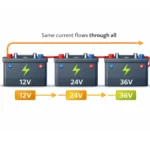
Series Connection of PV Modules – Effect on Voltage and Current
Connecting PV modules in series is a common practice in solar installations. This guide explains how series connections affect voltage and current and why they are used in solar PV systems.
Are Colleges and Schools ready to take up Solar challenge?
Adopting solar energy can help schools and colleges reduce electricity costs and promote sustainability. This guide explores how educational institutions can implement rooftop solar projects, the benefits, and what steps are needed to take on the solar challenge effectively.
Solar Electrical Installation Toolkit: Inspection & Usage Guide
A complete guide to the electrical installation toolkit for solar installers, including inspection procedures, tool usage, and safety practices.
Should You Switch to Solar in India? Complete Guide
India has become a hot-selling solar market and people are interested in installing solar systems in their homes as well as in industries and factories.
Market Demand of Solar PV Installer in India – Growth, Opportunities & Future Scope
India’s solar energy sector is expanding rapidly, creating strong demand for skilled solar PV installers across rooftop, commercial, and utility-scale projects. With increasing investments in renewable energy and rising industrial solar adoption, trained installers are becoming critical to project execution and performance. This blog explores market growth trends, career opportunities, salary potential, and the future scope of solar PV installation jobs in India’s booming renewable energy industry.