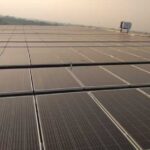
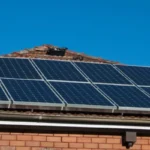
In recent time, solar energy is becoming increasingly accessible and alluring to homeowners. Going solar is a smarter investment than ever because the costs have dropped dramatically over time. Residential solar energy, which is most frequently produced by photovoltaic (PV) panels, not only provides a greener alternative to traditional fossil fuel energy but also a degree of independence for homeowners. Additionally, as demand is rising, more businesses are providing solar panels with competitive pricing, designs, and efficiency.
Despite the benefits, some homeowners are hesitant to switch to solar energy for the very reason that they dislike the look of the panels on their houses. A homeowner may support renewable energy and get plenty of sunlight to take advantage of it, but the idea of covering up their attractive home would not feel right.
To solve this problem, solar roof shingles or solar roof tiles are used. In this article, we will go over what exactly solar shingles are and explore whether solar shingles are worth it.
What are Solar Shingles?
Solar shingles, also known as solar roof tiles, are made from thin photovoltaic (PV) sheets. They can either cover or replace the existing shingles on a roof. They take in solar energy and transform it into electricity. Homeowners can reduce their monthly expenses and eventually recoup their original investments by using this form of energy. Solar shingles are becoming increasingly popular now as not only do they offer an appealing look to a property more than the enormous, bulky solar panels, but they are also more energy-efficient.
Solar Roof Shingles vs Solar Roof Panels
Like solar panels, solar shingles absorb the sun’s rays and transform them into heat or electrical energy. However, there are a few significant differences you need to be aware of when deciding on your home’s solar energy requirements:
Installation
Compared to solar panels, solar shingles are simpler to install. Solar shingles may be installed in an average of roughly 10 hours, as opposed to solar panels, which can take several days. The shingles are simple to install and require fewer holes in your roof because they snap together quickly. However, the versatility of solar shingles is constrained. The output will be impacted if a portion of the roof receives less sunlight because they are installed to match the roof’s tilt.
Solar panels, on the other hand, can be tilted to maximize sunlight absorption and boost production. The limited movement of shingles is another drawback. Solar roof tiles are difficult to remove and move since they serve as both the roof and solar panels, which may be moved easily when residences are moved.
Efficiency
As you can tilt solar panels to face where the sun shines most, they are more energy-efficient than solar shingles. A solar shingle, on the other hand, is reliant on its placement on the roof as well as how the roof is oriented to receive sunlight. However, depending on the size and pitch of your roof, as well as how the sun enters your home each day, this might not be a problem for some people.
Durability
Solar roof panels come with a longer warranty. Solar shingles, however, are integrated into the roof, which may allow them to endure more severe weather. Additionally, they are fire-resistant, unlike solar panels. Each product’s lifespan is influenced by its manufacturer and installation. Solar roofs are a relatively new product; thus, it is unknown how long they will last.
Visual Look
If considering aesthetics, solar roofing shingles have become a popular choice. They are becoming an ideal choice because not only do they resemble regular roof shingles and can be easily blended in with your roof. It does not resemble traditional solar panels, which are plainly larger and more noticeable. Additionally, some homeowners believe that conventional solar panels are big and can detract from a home’s curb appeal and potential to sell.
What Matters Is- Green Energy
Solar roof panels and solar roof shingles have different looks, energy output, and component costs. You can obtain several solar cost estimates from different vendors to compare the various characteristics of each brand and the costs of each type in order to make the best decision for your needs. But, keep in mind, regardless of whether you select solar panels or solar shingles, your decision is already noteworthy. Switching to greener options is always a smart idea.