Rooftop solar has become one of the most popular ways in India to reduce electricity bills and shift toward clean energy. With rising power tariffs and growing awareness of sustainability, more homeowners and businesses are exploring rooftop solar systems.
But the first and most common question is – how much does rooftop solar installation cost in India?
The answer depends on system size, equipment quality, installation design, and whether you are eligible for government subsidies. This blog explains rooftop solar costs in simple language and helps you understand what you are really paying for.
What Does Rooftop Solar Installation Cost Include?
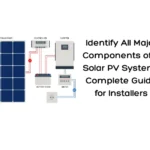
Rooftop solar installation cost is not just about panels. It is the total of all components and services required to make the system work safely and efficiently.
This usually includes:
- Solar panels (modules)
- Solar inverter
- Mounting structure
- DC and AC cables
- Junction boxes and protections
- Earthing and lightning protection
- Installation labour
- Testing and commissioning
- Net metering documentation
Together, these form the total cost of solar installation, which determines how reliable and productive your system will be over the next 25 years.
Average Rooftop Solar Installation Cost in India
In India, rooftop solar costs are generally calculated per kilowatt (kW). A typical home system ranges from 1 kW to 10 kW, while commercial rooftops may go much higher.
On average, rooftop solar installation cost depends on:
- Type of solar panels
- Inverter technology
- Roof structure
- Height and accessibility
- Electrical upgrades needed
- City and state policies
Higher-quality systems may cost more initially but often deliver better generation, fewer breakdowns, and a lower cost of solar per kWh installed over time.
Cost of Rooftop Solar for Homes
For homes, rooftop solar is designed mainly to reduce monthly electricity bills and provide long-term savings.
Home rooftop solar installation cost depends on:
- Monthly electricity consumption
- Available roof area
- Shadow-free layout
- Choice of on-grid, hybrid, or off-grid system
A properly sized system can cover a large part of household energy needs, reducing dependency on the grid and stabilising future electricity expenses.
Government schemes also make rooftop solar more affordable through subsidised solar panels for home installations.
Cost of Rooftop Solar Installation for Commercial Buildings
Commercial rooftop systems are larger and designed for high daily consumption.
Their cost depends on:
- Load profile of the building
- Roof strength and span
- Inverter configuration
- Synchronisation with existing electrical panels
- Fire and safety compliance
Commercial rooftops often achieve faster returns because daytime consumption matches solar generation, improving financial performance.
How Government Subsidy Affects Rooftop Solar Cost
The Government of India supports residential rooftop solar through the government solar subsidy scheme under national and state programs.
Subsidy reduces the upfront system price and is typically available only for residential consumers using approved vendors and domestic components.
Subsidy benefits:
- Lowers initial investment
- Improves payback period
- Encourages cleaner energy adoption
- Makes rooftop solar accessible to more households
Commercial and industrial rooftop systems generally do not receive direct capital subsidies but benefit from accelerated depreciation, net metering, and energy cost savings.
Factors That Increase or Decrease Rooftop Solar Cost
1. Solar Panel Quality
High-efficiency and Tier-1 panels usually have a higher solar module price per watt, but they generate more electricity from limited roof space.
2. Roof Design and Height
Complex rooftops require extra mounting work, safety arrangements, and longer cabling, affecting solar roof installation cost.
3. Inverter Technology
String inverters, hybrid inverters, and monitoring systems influence cost and long-term performance.
4. Electrical Infrastructure
Old buildings may need panel upgrades, earthing improvements, or load balancing, which adds to installation cost.
5. Location and Regulations
State policies, net metering timelines, and local approvals also impact final project cost and schedule.
How Rooftop Solar Installation Becomes Economical Over Time
While rooftop solar has an upfront cost, its real benefit lies in long-term savings.
Once installed:
- Sunlight is free
- Power generation is predictable
- Maintenance cost is low
- System life is 25+ years
Over time, this dramatically reduces the average cost of solar panels on a house and supports the goal of making solar energy economical for families and businesses.
Rooftop solar also increases property value and protects users from rising electricity tariffs.
How to Estimate the Right System Size
System size is decided based on:
- Monthly electricity units
- Roof area available
- Future expansion plans
- Budget and subsidy eligibility
Professional assessment ensures optimal use of roof space, correct inverter sizing, and realistic generation estimates.
Why Professional Installation Matters
Poor installation leads to:
- Lower energy generation
- Frequent inverter issues
- Fire and safety risks
- Poor performance ratio
- Higher long-term costs
A professional installer ensures system design, safety compliance, documentation, and long-term support, protecting your rooftop solar investment.
Conclusion
Rooftop solar installation cost in India depends on much more than just panels. It reflects system design, quality, safety, performance, and long-term reliability.
When done correctly, rooftop solar delivers stable electricity, major bill savings, and a strong contribution toward renewable energy adoption.
At Smart Roof Solar, we provide complete rooftop solar solutions, from system design and approvals to installation, monitoring, and maintenance, helping homes and businesses switch to clean, dependable solar power with confidence.
FAQs
Q1. Does rooftop solar work during monsoon and winter?
Ans: Yes, rooftop solar systems work year-round, though generation reduces slightly on cloudy days.
Q2. Will my electricity meter change after solar installation?
Ans: Yes, a bi-directional net meter is installed to record both import and export of electricity.
Q3. Can I upgrade my rooftop solar system later?
Ans: Yes, most rooftop systems can be expanded if roof space and inverter capacity allow.
Q4. What happens if I generate more electricity than I use?
Ans: Excess power is exported to the grid and adjusted in your electricity bill through net metering.
Q5. Do rooftop solar systems need batteries?
Ans: Batteries are optional and only required if backup power is needed during outages.