For factories and manufacturing units, electricity is one of the highest recurring expenses. Rising tariffs, demand charges, and grid instability often affect profitability. This is why many industrial units are now shifting to the PPA model solar for factories, a model that allows businesses to use solar electricity without bearing the full solar installation cost.
Under the PPA mode for solar, a solar developer installs and maintains the solar plant, while the factory purchases solar power at a fixed, lower tariff. This makes solar adoption easier, risk-free, and financially attractive.
What Is the PPA Model for Solar for Factories?
A Power Purchase Agreement (PPA) is a long-term contract between a factory and a solar developer. Under this model:
- The developer invests in and owns the solar plant
- The factory uses the electricity produced
- Power is sold at a pre-agreed tariff
- Maintenance and monitoring are handled by the developer
Factories get clean solar electricity without worrying about solar panel system cost, operations, or technical risks.
How the PPA Model Works for Industrial Solar Plants
The process typically includes:
1. Site study and load analysis
2. Design of the solar plant capacity
3. Signing of long-term PPA contract
4. Installation of the solar system
5. Energy supply and billing per unit consumed
The factory pays only for electricity used, usually at a rate lower than grid tariffs. This allows industries to stabilise power expenses while avoiding upfront capital costs.
Why the PPA Model for Solar, Ideal for Factories
Factories benefit from the PPA model because it:
- Eliminates capital investment
- Reduces electricity costs from day one
- Transfers operational responsibility
- Avoids technology and performance risks
- Improves ESG and sustainability ratings
It is especially useful for factories that want to expand operations without increasing financial burden.
Financial Advantages of Solar PPAs for Factories
The PPA model for Solar directly improves factory economics:
- No solar installation charges
- No equipment ownership risk
- Lower per-unit electricity cost
- Protection from tariff inflation
- No maintenance overhead
This improves profitability while keeping working capital free for core business growth.
Operational Benefits for Industrial Users
Solar PPAs provide operational stability:
- Dedicated on-site or off-site solar supply
- Professional monitoring and O&M
- System upgrades handled by developer
- Performance guarantees
- Long-term reliability
Factories can focus on production while solar operations are managed by specialists.
On-Site vs Off-Site PPA Models
Factories can adopt two main types of PPAs:
On-Site PPA
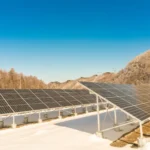
The solar plant is installed on the factory’s roof or land. Power is directly consumed, reducing transmission losses and dependency on grid supply.
Off-Site PPA
Power is generated at a remote solar farm and supplied through open access or group captive arrangements. This allows large factories to source renewable energy even when roof space is limited.
Compliance and Sustainability Benefits
Using the PPA model for Solar helps factories:
- Meet renewable energy obligations
- Reduce carbon footprint
- Improve sustainability certifications
- Enhance brand value
- Attract ESG-focused investors
This makes the PPA model for Solar both a financial and strategic decision.
Key Points Factories Should Evaluate Before Signing a PPA
Factories should assess:
- PPA tariff and escalation clause
- Contract duration
- Performance guarantees
- Exit conditions
- Regulatory approvals
- Metering and billing structure
A well-structured PPA ensures long-term benefit without legal or technical complications.
Conclusion
The PPA model for solar factories offers a practical way to adopt renewable energy without capital investment. It lowers electricity costs, reduces operational risks, and supports sustainability goals while allowing industries to focus on growth.
At Smart Roof Solar, we design customised PPA solutions for factories, covering feasibility, engineering, regulatory approvals, installation, and long-term operations to deliver stable, cost-effective solar power.
FAQs
Q1. What is the typical duration of a solar PPA for factories?
Ans: Most industrial solar PPAs are signed for 15-25 years to ensure stable pricing and long-term savings.
Q2. Does a factory need to provide any land or roof space under a PPA model?
Ans: For on-site PPAs, roof or land access is required, while off-site PPAs need no physical space at the factory.
Q3. Can factories still use grid power along with solar PPA electricity?
Ans: Yes, solar power supplements grid supply, ensuring uninterrupted operations during low solar generation.
Q4. Are there any hidden costs involved in solar PPAs?
Ans: A transparent PPA includes all costs within the tariff; factories should verify clauses related to penalties or escalation.
Q5. Can factories claim renewable energy certificates (RECs) under a PPA?
Ans: REC eligibility depends on PPA structure and ownership terms, which should be clarified before signing.