Rising electricity tariffs and pressure to reduce operational costs have pushed industries to explore alternative energy models. One of the fastest-growing solutions today is partnering with an OPEX industrial solar provider, where factories and commercial units adopt solar power without upfront capital investment.
Under the OPEX model, the solar system is owned, operated, and maintained by the service provider, while the industry consumes clean solar energy at a predetermined tariff, making solar adoption simpler, scalable, and financially efficient.
What Is an OPEX Industrial Solar Model?
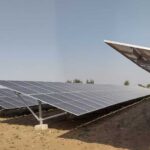
In the OPEX solar model, an industrial solar provider installs a solar power plant on the factory rooftop or adjacent land at its own cost. The industrial consumer purchases electricity generated by the plant at a fixed rate, usually lower than grid tariffs.
Key features:
- Zero upfront investment
- Long-term Power Purchase Agreement (PPA)
- Guaranteed solar power supply
- Professional operation & maintenance
- Predictable energy costs
This model is ideal for businesses that want solar electricity benefits without capital expenditure.
Role of an OPEX Industrial Solar Provider
An experienced industrial solar provider handles the complete project lifecycle, including:
- Site assessment and feasibility study
- System design and engineering
- Procurement of solar panels and inverters
- Installation and commissioning
- Regulatory approvals and net metering
- Operations, monitoring, and maintenance
This end-to-end responsibility ensures uninterrupted performance and maximum energy generation.
Benefits of Choosing an OPEX Solar Provider for Industry
1. No Capital Investment
Industries avoid the solar installation cost, preserving cash flow for core operations.
2. Lower Electricity Tariff
Solar power under OPEX is typically cheaper than grid electricity from day one.
3. Long-Term Cost Stability
Tariffs remain predictable despite rising grid power prices.
4. Zero Maintenance Burden
The solar provider manages performance, repairs, and replacements.
5. Sustainability & ESG Compliance
Industries meet renewable energy and carbon-reduction targets effortlessly.
OPEX Solar vs CAPEX Solar Model for Industries
Parameter | OPEX Model | CAPEX Model |
Upfront Cost | Nil | High |
Ownership | Solar provider | Industry |
Maintenance | Provider | Industry |
Risk | Provider | Industry |
Energy Tariff | Fixed | Lowest long-term |
Industries focused on cash preservation often prefer OPEX, while asset-heavy firms may opt for CAPEX.
Cost Structure in OPEX Industrial Solar
While there is no solar energy installation cost, industries pay per unit of energy consumed.
Cost elements include:
- Agreed solar tariff per kWh
- Contract duration (typically 15–25 years)
- Escalation clause (if applicable)
- Minimum offtake commitment
This eliminates uncertainty around solar panel system cost, cost of solar per kWh installed, and maintenance expenses.
Electricity Savings & ROI for Industries
With an OPEX model:
- Immediate reduction in electricity bills (10–30%)
- Protection against tariff hikes
- Improved operational predictability
- Positive impact on profitability
For energy-intensive industries, OPEX solar offers faster financial benefits than traditional ownership models.
Industries Best Suited for OPEX Solar Model
OPEX solar works exceptionally well for:
- Manufacturing plants
- Warehouses & logistics hubs
- Cold storage facilities
- FMCG and food processing units
- Pharma and chemical industries
- Data centers and IT parks
These sectors benefit from high daytime consumption and stable load profiles.
Technology Used by OPEX Industrial Solar Providers
Modern systems include:
- High-efficiency solar panels
- Industrial-grade inverters with MPPT
- Remote monitoring and analytics
- Safety and protection systems
- Predictive maintenance tools
Advanced renewable energy technology ensures consistent output and high uptime.
Why OPEX Is Making Solar Energy Economical
Declining cost of solar panels, improved system performance, and long-term PPAs are making solar energy economical for industries without capital stress. This model accelerates adoption while aligning financial and sustainability goals.
Conclusion
An OPEX industrial solar provider enables industries to switch to solar power with zero investment, lower risk, and immediate cost savings. By outsourcing ownership and maintenance, businesses gain access to reliable solar electricity while focusing on their core operations.
For industries seeking clean energy, financial flexibility, and operational certainty, the OPEX solar model is a smart and future-ready solution.
FAQs
Q1. What is an OPEX solar provider?
Ans. A company that installs and owns the solar plant and sells power to industries under a PPA.
Q2. Is there any upfront cost in OPEX solar?
Ans. No, the provider bears the entire installation cost.
Q3. Who maintains the solar plant in OPEX?
Ans. The solar provider handles all operations and maintenance.
Q4. Is OPEX solar cheaper than grid power?
Ans. Yes, tariffs are generally lower than utility electricity.
Q5. Can OPEX solar be installed on rooftops?
Ans. Yes, rooftop and ground-mounted systems are both possible.