
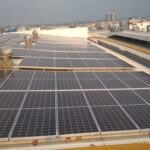
Net Metering and its Advantages
Net metering is a system of control. Its purpose is to maintain checks and balances specifically for those who have solar heating panels on their roofs. It is also a net preserver of energy usage. This means that homeowners are in a position to monitor and control the amount of energy they use during the day or at night. Sometimes, when you’re away and solar energy is not being used, your home may generate extra electricity using solar energy.
You can buy some expensive batteries to store that extra energy to use at night but there’s another option to send extra power produced back to the grid and that’s what we call net metering.
Net metering allows solar energy customers to receive a credit for the electricity they generate. When you use solar panels to produce electricity at home, you may generate more power than your house needs during the day. If your home is equipped with net metering, you can export extra energy to the grid and get credits that can be used when you need them. Net metering ensures the energy you generate at home doesn’t go to waste.
According to SEIA (Solar Energy Industries Association), “Net metering allows residential and commercial customers who generate their own electricity from solar power to feed electricity they do not use back into the grid. Many states have passed net metering laws. In other states, utilities may offer net metering programs voluntarily or as a result of regulatory decisions.“
These are some features of Net Metering:-
- Consumers can generate their own energy at any time of the day
- Solar energy can be used even at night
- Energy not used in a month can be rolled over to be used in the next month
- Solar power can be used during winter months when there is little or no sunlight. For example, a Northern European region has very few sunlight and daylight hours during the summer. It is still possible to store solar power during winter months when there is no daylight at all.
Some advantages and disadvantages of Net Metering are as follows:-
Advantages of Net Metering
- Reduced electricity bills
- Benefits for the environment
- No need to install an expensive battery storage system
- Take some pressure off electric grids
- Encourages customers to move towards renewable energy
- Preserves natural energy resources
Disadvantages of Net Metering
In many parts of the world, governments or localized municipal authorities remain resistant to the net metering monitoring process because it impacts negatively their ability to collect revenue from tax and/or ratepayers. To compound matters, many developing nations where this problem is prevalent, they are still dealing with issues related to illegal connections in informal settlements.
- The revenue collected is not utilized effectively to provide housing for citizens living in informal settlements.
- Authorities remain resistant to consumers’ rights to power usage as needed.
- Because net metering systems are not fully regulated, it is not always easy for consumers to access these.
- By not allowing access, the costs of acquiring electricity remain excessive for consumers.
Net metering allows utility customers to generate their own electricity cleanly and efficiently. During the daytime, most solar panels produce more electricity for households or industries than they consume. Net metering allows them to export that power to the grid and reduce their future electric bills.
Net metering also provides substantial economic benefits in terms of jobs, income, and investment. Net metering increases the demand for solar energy, which in turn creates jobs for the installers, electricians, and manufacturers who work in the solar supply chain. Today, the solar industry employs more than 230,000 workers in the industry in large part due to strong state net metering policies which have allowed the solar industry to thrive.
Suggested Articles

Industrial Solar Plants with Diesel Generator Backup: What You Need to Know
Discover how industries can efficiently run rooftop solar plants alongside diesel generators (DG). Learn the benefits, setup tips, and hybrid system strategies to ensure uninterrupted power and maximize energy savings.
1 MW Solar Plant Cost in Haryana | A Complete Guide
Planning a 1 MW solar power plant in Haryana? This guide covers complete 2025 cost details, subsidy schemes, ROI, and savings potential for industrial users.

Rajasthan Rooftop Solar Subsidy: What Homeowners Need to Know
Rajasthan homeowners can save big with the 2025 rooftop solar subsidy. Learn about the updated rates, eligibility criteria, and benefits to make your switch to solar more affordable.
UPNEDA Solar Subsidy 2025: How to Maximize Savings on Rooftop Solar
Discover how the UPNEDA Solar Subsidy 2025 can help you cut electricity costs and make rooftop solar more affordable. Learn about eligibility, subsidy rates, and the step-by-step application process.

500 kW Solar System Price in Indore: Complete Industrial Guide
Planning to install a 500 kW solar power plant in Indore? Discover the complete cost details, government subsidy options, and potential savings for industries in 2025.
India’s Renewable Energy Revolution: The Role of Agrivoltaics
Agrivoltaics, the integration of solar panels with agricultural land, is emerging as a key driver in India’s renewable energy revolution. This blog explains how agrivoltaics supports sustainable farming, increases land efficiency, and contributes to clean energy production, helping India meet its solar energy targets while boosting rural economies.
Benefits of Solar Energy: Why Switching to Solar Makes Sense
Switching to solar energy offers numerous benefits, from lowering electricity bills to reducing your carbon footprint. This guide explores how solar power supports sustainable living, provides cost savings, and creates a cleaner environment for homes, businesses, and industries. Learn why adopting solar energy is not just smart, but essential for a greener future.
How to Choose Solar Panel Mounting Structures for Home, Industry & Commercial Installations
Choosing the right mounting structure is crucial for solar panel efficiency and durability. This blog explains various types of mounting structures for residential, industrial, and commercial solar installations, including rooftop, ground-mounted, and hybrid systems, to help you make an informed decision.