

What Is Renewable Energy? What Is the Best Source of Renewable Energy and Why? – Complete Guide
Renewable energy comes from natural sources like sunlight, wind, water, and biomass that are constantly replenished. As India accelerates its transition toward clean energy, understanding different renewable energy sources and identifying the most efficient and cost-effective option is crucial. This complete guide explains renewable energy types, their advantages, and compares them to determine the best source based on sustainability, scalability, and long-term benefits.
How to Calculate Savings from Rooftop Solar Solutions: A Complete Guide
Calculating savings from rooftop solar solutions is essential for planning your investment. This guide explains how to estimate cost reduction, return on investment, and long-term financial benefits for residential, commercial, and industrial solar projects.

Solar Energy for Petrol Pumps: Benefits, Savings, and Implementation
Petrol pumps can significantly reduce energy costs and carbon footprint by adopting solar power. This guide explains the benefits, types of solar installations, and how fuel stations can leverage renewable energy for sustainable and efficient operations.
Are Colleges and Schools ready to take up Solar challenge?
Adopting solar energy can help schools and colleges reduce electricity costs and promote sustainability. This guide explores how educational institutions can implement rooftop solar projects, the benefits, and what steps are needed to take on the solar challenge effectively.

Haryana and UP Face Delays in Solar Net Metering Approvals
Net metering for rooftop solar in Haryana and Uttar Pradesh faces procedural delays, affecting solar adoption and efficiency for residential and commercial consumers
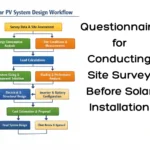
Questionnaire for Conducting Site Survey Before Solar Installation
A proper site survey is critical before solar installation. This questionnaire helps evaluate roof condition, load requirements, shading, and electrical infrastructure to ensure accurate system design and optimal performance.

100 kW Solar Power Plant in Indore – Latest Cost, Subsidy & Payback Period
A 100 kW solar plant in Indore costs around ₹40–55 lakh in, offering annual savings of up to ₹10 lakh and a payback period of 4–6 years. Learn about installation, maintenance, and ROI to make your solar investment worthwhile.

Sun Path Diagram for a Specific Location and Time: Solar Installer Guide
Earthing and lightning protection are critical safety components in solar PV installations. This guide explains their importance, types, components, and best practices for solar installers.