How to Maintain Solar Power System for Homes, Industries & Commercial Buildings
Maintenance Of Solar System
Getting a solar system, for generating solar energy for home/industrial/commercial roof top or ground mounted, is only a small part of the effort. The key is in maintaining the performance of the solar system month on month basis. According to estimates, regular maintenance of solar system can increase the performance by 30% of the solar system installed over your roof or on the ground.
Preventive maintenance techniques can help to provide higher unit generation from your solar system. Few of the simple techniques are discussed below.
Periodic Cleaning of Panels:
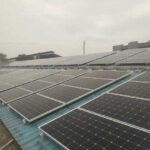
Monthly cleaning of solar panels is the most basic technique to get higher generation from solar system. Air in Delhi and national capital region (NCR) especially remains highly polluted with suspended dust particles which gets deposited over the panel. Pigeons and other birds also dirty the panels which can significantly reduce the generation. Few ways to do it are as follows.
- Clean the panels with water from a garden hose. But don’t put cold water on the hot panels as it may damage the panels.
- Use a soft sponge with soapy water if the cleaning required is more.
- If it is difficult to reach the panels due to height and other physical barriers, better to call a professional agency to clean the panels.
- Use Pigeon Guards: Install the pigeon guards at the top of the solar panels to discourage the birds sit on the top. It has been an effective way to reduce the pigeon poop getting deposited on your solar panels.
Suggested Articles

Delhi Jal Board Solar Project: A Step Towards Sustainable Energy
Delhi Jal Board has embraced solar power, becoming a leader in renewable energy adoption. This initiative highlights the benefits of solar energy, including cost savings, sustainability, and promoting clean energy practices in institutional operations.

Solar Rooftop Subsidy: Why It’s Time for a Change of Mindset
While solar rooftop subsidies help reduce upfront costs, true adoption requires a mindset shift. This guide discusses why businesses and homeowners should focus on long-term benefits, sustainability, and strategic planning beyond relying solely on incentives.

India and IMT-GT JBC Sign MoU to Boost Energy Efficiency in Southeast Asia
The first meeting of the G20 Energy Transitions Working Group was held in Bengaluru, India, and was a success, with participants sharing a consensus on the priority areas of energy security and diversified supply chains.

Solar Panel Efficiency and Temperature: What You Need to Know
The stronger the sun, the higher the temperature and more energy your solar panels produce, right? No.

Everything you Need to Know about Bifacial Solar Panels technology
Learn how bifacial solar panels capture sunlight on both sides, boosting energy efficiency and maximizing solar power generation for homes and businesses.

Solar Financing for Businesses: Complete Guide to Funding Commercial & Industrial Solar Projects in India
Discover solar financing options for businesses in India, including CAPEX, OPEX, PPA models, solar loans, ROI, and funding strategies for commercial and industrial solar projects.

What Is an Array Junction Box in Solar PV Modules? | Complete Guide
The Array Junction Box (AJB) is a critical component in solar PV systems, connecting multiple solar modules and ensuring safe flow of electricity to the inverter. This blog explains what an AJB is, its key features, types, and why it is essential for both residential and commercial solar installations. Understand how AJBs protect your system from overload, short circuits, and environmental factors while maintaining optimal performance.

India and Japan Strengthen Renewable Energy Cooperation
India and Japan have initiated a partnership under the Asia Energy Transition Initiative (AETI) to support India’s clean energy transition. India has set an ambitious target of achieving net-zero by 2070, while Japan aims to achieve the same by 2050.