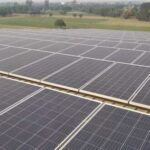
Smart Roof Solar

Law Change Makes It Hard to Receive Compensation for Solar Developers

Law Change Makes It Hard to Receive Compensation for Solar Developers


The solar energy capacity addition has grown over 23 times in the country since 2014, a meteoric rise that tends to cover the regulatory uncertainty prevailing in the sector. Getting compensation for solar developers for additional costs incurred due to taxation policy changes becoming hard to receive. 


Several taxation-related changes have qualified under Change-in-law (CIL) in the last few years. Some are law for compensation for solar developers, safeguard duty on modules, GST rate hikes, and the most recent event of Basic Customs Duty (BCD). CIL provisions in power purchase agreements provide developers with the right to recover additional capital costs incurred due to government policy changes between bidding and commissioning.


The safeguard duty was imposed on the modules for the first time in 2018, but industry sources say that most developers are still awaiting reimbursements in full. In many cases, the litigations are continuing. The story has been repeated in the case of GST hike. When it comes to seeking compensation for the 40% BCD imposition on modules, developers feel resigned to their fate.


The process of reimbursements from state-owned distribution companies (DISCOMs) is rarely straightforward, even though tax changes are considered CIL events under PPAs. “The PPA clause often mentions that regulators should declare all tax rate changes as ‘change in law’ events. However, unless the regulatory body approves and passes an order for an increase in the determined auctioned tariff, the developers can’t expect the DISCOMs to act,” a developer said.


CIL petitions filed with state regulatory bodies (SERC), quasi-judicial bodies, may take at least 18 months before a final decision is made. But usually, the time taken is much longer than that. “The merit of the petition doesn’t matter to the DISCOMs. Their objective is to ensure the order is delayed as much as possible. They achieve this by filing baseless submissions and rejoinders,” another developer said.


Even after an order is delivered, many DISCOMs go back to the Commission to seek a review. The CIL orders usually give the DISCOMs a few options for compensating the developers. The DISCOMs are either asked to pay a lump sum or convert the compensation into an annuity at a specific interest rate.


But the ordeal for the developers doesn’t end here. At least two developers confirmed that the DISCOMs falsely informed the Commission about paying the amount in order. They often pay a portion and claim that the compensation is settled. Several developers have filed complaints against DISCOM officials over the years because of this. “The entire process creates judicial ambiguities. It affects the confidence of the developers adversely,” a third developer stated.


The inordinate delay in granting compensation to developers raises the cost of capital for the company. Consequently, the developers are forced to raise more debt for operations.


Furthermore, when calculating compensation under CIL, the Commissions often consider only the cost of borrowed funds by the developer without factoring in the equity that goes with the debt. Even if DISCOMs cooperate and CIL petitions are promptly disposed of, developers have a disadvantage from the beginning.


“Generators resent the long-drawn regulatory process for CIL. While the CIL process has been considerably streamlined, it remains fraught with pain and long lead times,” Vinay Pabba, COO of Vibrant Energy, said.

Suggested Articles

off-grid solar

Go Off-Grid with Solar Energy: A Complete Guide

Living off-grid, more commonly defined as not having a dependence on public utilities such as electricity, sounds appealing for a lot of reasons. The idea of being self-sufficient, powering your own home with solar energy, and maybe even building that home with your own two hands can sound like a dream and a challenge for people who wish to live life on their terms.

Solar Microgrid

Solar Microgrids: All you need to know

Discover how solar batteries store excess energy, maximize your solar system’s efficiency, and provide reliable power during outages. Learn about the types, benefits, lifespan, and maintenance tips to make the most of your solar investment.

pic_chamundi4

What Is an Array Junction Box in Solar PV Modules? | Complete Guide

The Array Junction Box (AJB) is a critical component in solar PV systems, connecting multiple solar modules and ensuring safe flow of electricity to the inverter. This blog explains what an AJB is, its key features, types, and why it is essential for both residential and commercial solar installations. Understand how AJBs protect your system from overload, short circuits, and environmental factors while maintaining optimal performance.

Contact Us