With the growing adoption of solar energy for home use, commercial buildings, and industrial facilities in India, one of the most common questions people ask is: Is solar PV AC or DC?
Understanding this basic concept is crucial when evaluating solar panel system cost, system design, and overall solar electricity generation.
In this blog, we break down how solar photovoltaic (PV) systems work, whether they generate AC or DC power, and how this affects solar energy installation cost, efficiency, and usage.
What Type of Power Do Solar Panels Generate: Solar PV AC or DC?
Solar PV panels generate Direct Current (DC) electricity.
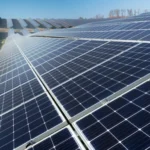
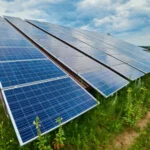
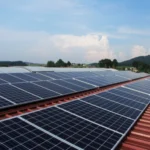
When sunlight falls on a solar panel in rooftop or ground-mounted system, photovoltaic cells convert solar radiation into electrical energy using the photovoltaic effect. This process naturally produces DC power.
So, to be clear:
- Solar panels → DC power
- Homes, offices & industries → implying AC power
This is why additional equipment is required to make solar energy usable.
Why Is DC Power Generated by Solar Panels?
Photovoltaic cells are made of semiconductor materials like silicon. When sunlight hits these cells, electrons move in a single direction, producing DC electricity.
DC power is:
- Stable
- Ideal for battery storage
- Efficient for energy generation at the panel level
However, since most appliances operate on AC, DC power cannot be used directly in homes or businesses without conversion.
How Is DC Converted to AC in a Solar PV System?
Role of the Solar Inverter
A solar inverter converts DC electricity from panels into Alternating Current (AC) electricity that can power appliances, machinery, and lighting systems.
The inverter also:
- Synchronizes power with the grid
- Monitors performance
- Improves safety and efficiency
This conversion step is factored into the solar energy installation cost and total cost of solar installation.
Solar PV AC vs DC in Different Solar System Types
1. Grid-Connected Solar Systems
- Panels generate DC
- Inverter converts DC to AC
- AC power is used instantly or exported to the grid
This setup is common for home roof solar panels cost optimization and net-metering benefits.
2. Off-Grid Solar Systems
- Panels generate DC
- DC charges batteries
- Inverter converts stored DC to AC when required
These systems are ideal where grid supply is unreliable.
3. Hybrid Solar Systems
- Combine grid + battery storage
- DC used for charging batteries
- AC supplied to loads and grid
Hybrid systems impact solar installation charges and long-term savings.
Why Don’t Homes Use DC Power Directly?
Although solar panels produce DC, most household and industrial equipment is designed for AC because:
- AC travels long distances efficiently
- Grid infrastructure is AC-based
- Appliances are standardized for AC
This is why the inverter is indispensable in determining the cost of solar per kWh installed and overall system efficiency.
Does AC or DC Affect Solar Panel Area per kW?
No, Solar PV AC or DC doesn’t affect the solar panel area per kW. The solar panel area per kW depends on:
- Panel wattage
- Module efficiency
- Installation layout
Whether power is AC or DC does not change the panel area, but inverter sizing and system losses are considered while calculating solar installation cost per kWh.
Impact on Solar Costs and Economics
Understanding AC and DC helps consumers better evaluate:
- Solar module price per watt
- Solar roof installation cost
- Average cost of solar panels on a house
- Smart solar panel price
Efficient DC-to-AC conversion ensures:
- Lower energy losses
- Faster ROI
- Reduced dependency on grid electricity
This plays a key role in making solar energy economical for residential and commercial users.
Solar PV AC or DC, Power & Government Subsidies
Most government solar subsidy schemes and subsidised solar panels for home apply to grid-connected AC systems. The inverter’s compliance with grid standards is mandatory to avail subsidies.
Hence, understanding AC and DC is important not only technically but also financially.
Solar Energy: From DC Generation to AC Consumption
To summarize:
- Solar PV systems generate DC electricity
- Inverters convert DC to AC
- AC power runs homes, offices, and industries
This seamless conversion enables large-scale adoption of renewable solar and strengthens renewable energy technology across India.
Final Thoughts
Whether you are evaluating the cost of solar panels, planning a solar panel in rooftop system, or exploring renewable energy and solar energy solutions for your business, understanding whether solar PV AC or DC helps you make informed decisions.
Solar energy remains one of the most efficient and sustainable sources of solar electricity, powering India’s transition toward a cleaner energy future.
FAQs
Q1. What happens if a solar inverter fails?
Ans: If the inverter stops working, AC power supply halts even though panels continue generating DC electricity.
Q2. Is DC power safer than AC power?
Ans: DC power is generally safer at low voltages, but both AC and DC can be hazardous without proper protection.
Q3. Do electric vehicles use AC or DC charging from solar?
Ans: Solar power is converted to AC for home chargers, while fast EV chargers internally convert it back to DC.
Q4. Does DC power improve solar efficiency?
Ans: DC power reduces conversion losses, but practical usage requires AC for compatibility with appliances.
Q5. Does AC frequency matter in solar systems?
Ans: Yes, inverters must match grid frequency (50 Hz in India) to ensure safe synchronization.