India’s Solar Capacity Growth Slows Down in Q1 2023
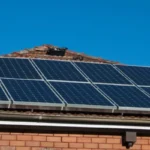
According to the recently released Q1 2023 India Solar Market Update, India witnessed a decrease in solar capacity growth during the first quarter of the calendar year. The country added 1.9 GW of solar capacity during this period, marking a 30% decline compared to the 2.7 GW installed in the previous quarter of 2022. Furthermore, this figure represents a significant 48% decrease year-over-year in comparison to the 3.6 GW added in Q1 2022.
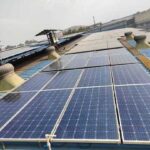
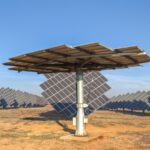
Out of the total solar installations in Q1 2023, 1.4 GW was attributed to large-scale solar projects, which experienced a 37% decline from the previous quarter and a substantial 56% decline year-over-year. Large-scale solar installations accounted for 74% of the total installations, while rooftop solar made up the remaining 26%.
With the addition of 1.9 GW in Q1 2023, India’s cumulative installed solar capacity has now reached 64.5 GW. However, it is important to note that the growth rate is expected to be lower in 2023 due to delayed commissioning deadlines for several projects, as well as challenges related to land and transmission issues, along with projects facing obstacles in the habitat of the Great Indian Bustard.
As of March 2023, India’s utility-scale project development pipeline consisted of 58 GW, with an additional 58 GW of projects tendered and awaiting auction.
The top states for solar installations in Q1 2023 were Rajasthan and Karnataka, accounting for 42% and 21% of installations, respectively. Gujarat secured the third position with 19% of the total installations.
Renewable energy sources accounted for approximately 41% of India’s power mix in Q1 2023, with solar alone contributing to over 45% of the new power capacity added during the quarter.
Suggested Articles

CAPEX or OPEX? How to Choose the Best Solar Ownership Model
Choosing between the CAPEX and OPEX models can greatly impact your solar savings and ownership benefits. This guide explains both models to help you make the right decision.

Solar ROI for Commercial & Industrial Projects in India: Cost, Payback & Profits
Learn how commercial and industrial solar projects deliver strong ROI for businesses in India through lower energy costs, faster payback, and long-term profit generation.

Solar Cell Technology: Monocrystalline vs Polycrystalline vs Thin-Film
Explore the different types of solar cells, including monocrystalline, polycrystalline, and thin-film, and learn their efficiency, applications, and benefits for solar energy systems.

Benefits of Solar Energy: Why Switching to Solar Makes Sense
Switching to solar energy offers numerous benefits, from lowering electricity bills to reducing your carbon footprint. This guide explores how solar power supports sustainable living, provides cost savings, and creates a cleaner environment for homes, businesses, and industries. Learn why adopting solar energy is not just smart, but essential for a greener future.

Solar PV Startup & Energy Meter Recording Guide
A complete guide to solar PV startup procedures and energy meter recording, ensuring proper commissioning, documentation, and system performance verification.

New IREDA Loan Scheme for Solar Rooftop Projects: Benefits, Eligibility & Interest Rates
India’s renewable energy push gets a major boost with the new IREDA loan scheme for solar rooftop projects. This scheme offers low-interest financing, simplified approvals, and better support for residential, commercial, and industrial consumers. Here’s a detailed look at its benefits, eligibility, interest rates, and how to apply for funding.

India Solar Energy Policies: Key Updates and Government Initiatives
India is one of the leading countries in terms of solar energy development, having become the fastest-growing market for solar power globally.

Electrical Wiring Requirements Before Installing a Solar Power System
Before designing a solar power system, assessing the building’s electrical wiring is essential. Proper inspection ensures the wiring can safely handle solar power integration, prevents electrical risks, and improves overall system efficiency.