How DISCOMs Implement Net Metering for Solar Power Plants
Net metering is a critical dimension on the early and effective implementation of net metering depends on the success of the grid-connected solar rooftop program. SERCs of 19 States/UTs have notified regulations for implementation of net metering /feed-in-tariff mechanism, namely, Andhra Pradesh, Chhattisgarh, Delhi, Haryana, Karnataka, Kerala, Tamil Nadu, Uttarakhand and West Bengal, Andaman & Nicobar, Chandigarh, Dadra & Nagar Haveli, Daman & Diu, Lakshadweep, Pondicherry, Goa, UP, Rajasthan and Odisha. However, implementation of net metering has so far been tardy which is impeding project development and deployment.
The following issues require urgent attention and action on the part of the discoms to expedite installations:
Applications –
Simplification of process with time-lines for inviting, processing and time-bound approval of applications, and registration of applicants.
Metering –
Bidirectional net meters capable of recording both export and import of electricity should be procured in bulk, tested and provided by the discoms with cost to be borne by consumers, if necessary; alternatively, clear specifications need to be provided by the discoms, with list of approved suppliers alongwith price, in case they are to be procured by the consumers; to be followed by time-bound approval of installation and connectivity.
Distribution Transformers –
The installation is required to be connected to a distribution transformer of the discom; limits are to be prescribed by the discom for the capacity of the installations to be connected as per the rated capacity of the concerned distribution transformer; the discoms should publicise a list of distribution transformers alongwith permissible capacity of installations that can be connected to each transformer.
Standards –
The discoms need to ensure that relevant CEA Regulations and Standards on Inter-connectivity and Safety are followed and should provide time-bound clearance.
Billing and Accounting –
Necessary procedures and mechanisms with associated software need to be put in place by each discom for billing and accounting of electricity (consumed/exported/imported/surplus carry forward) of the consumers having rooftop installations set up under different implementation modes.
Discoms should create dedicated Cells within their set-up to provide single-point facility to installers and consumers relating to all aspects of implementation of net metering in their respective service areas. Training of discom officials could also be organized on technical and accounting aspects. Consumer awareness about solar rooftop, in general, and net metering, in particular, is another area that can be looked at.
Suggested Articles

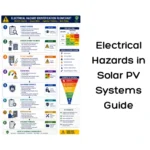
Electrical Hazards in Solar PV Systems Guide
A complete guide to identifying electrical hazards in solar PV systems, covering shock, arc flash, DC voltage, wiring, grounding, and electrical fire risks.
What Is an Array Junction Box in Solar PV Modules? | Complete Guide
The Array Junction Box (AJB) is a critical component in solar PV systems, connecting multiple solar modules and ensuring safe flow of electricity to the inverter. This blog explains what an AJB is, its key features, types, and why it is essential for both residential and commercial solar installations. Understand how AJBs protect your system from overload, short circuits, and environmental factors while maintaining optimal performance.
Top Industrial Solar EPC: How to Choose the Right Solar EPC Company for Industries in India
Choosing the right industrial solar EPC is critical for plant performance and ROI. This guide explains how Indian industries can select the best solar EPC partner.
Selecting Solar Panels: Best Guide for Homes and Factories
Solar panels are a hot topic these days, as the cost of solar is finally approaching what the average family can afford.
Civil Structural General Arrangement (GA) Drawing in Solar Projects: Complete Design & Layout Guide
A Civil Structural General Arrangement (GA) drawing in solar projects is a detailed layout that defines the placement of solar modules, mounting structures, inverters, and civil foundations. It plays a crucial role in ensuring accurate design, optimal space utilization, and smooth execution of both rooftop and ground-mounted solar installations. This guide explains the key components, design considerations, and best practices for creating effective GA drawings in solar EPC projects.
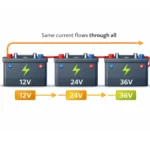
Series Connection of PV Modules – Effect on Voltage and Current
Connecting PV modules in series is a common practice in solar installations. This guide explains how series connections affect voltage and current and why they are used in solar PV systems.
Ground Mounted Solar Systems: Complete Guide for Commercial & Industrial Projects in India
Ground mounted solar systems are ideal for commercial and industrial projects with available land. This guide explains cost, land requirement, installation process, and ROI in India.
Should You Switch to Solar in India? Complete Guide
India has become a hot-selling solar market and people are interested in installing solar systems in their homes as well as in industries and factories.