How DISCOMs Implement Net Metering for Solar Power Plants
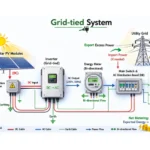
Net metering is a critical dimension on the early and effective implementation of net metering depends on the success of the grid-connected solar rooftop program. SERCs of 19 States/UTs have notified regulations for implementation of net metering /feed-in-tariff mechanism, namely, Andhra Pradesh, Chhattisgarh, Delhi, Haryana, Karnataka, Kerala, Tamil Nadu, Uttarakhand and West Bengal, Andaman & Nicobar, Chandigarh, Dadra & Nagar Haveli, Daman & Diu, Lakshadweep, Pondicherry, Goa, UP, Rajasthan and Odisha. However, implementation of net metering has so far been tardy which is impeding project development and deployment.
The following issues require urgent attention and action on the part of the discoms to expedite installations:
Applications –
Simplification of process with time-lines for inviting, processing and time-bound approval of applications, and registration of applicants.
Metering –
Bidirectional net meters capable of recording both export and import of electricity should be procured in bulk, tested and provided by the discoms with cost to be borne by consumers, if necessary; alternatively, clear specifications need to be provided by the discoms, with list of approved suppliers alongwith price, in case they are to be procured by the consumers; to be followed by time-bound approval of installation and connectivity.
Distribution Transformers –
The installation is required to be connected to a distribution transformer of the discom; limits are to be prescribed by the discom for the capacity of the installations to be connected as per the rated capacity of the concerned distribution transformer; the discoms should publicise a list of distribution transformers alongwith permissible capacity of installations that can be connected to each transformer.
Standards –
The discoms need to ensure that relevant CEA Regulations and Standards on Inter-connectivity and Safety are followed and should provide time-bound clearance.
Billing and Accounting –
Necessary procedures and mechanisms with associated software need to be put in place by each discom for billing and accounting of electricity (consumed/exported/imported/surplus carry forward) of the consumers having rooftop installations set up under different implementation modes.
Discoms should create dedicated Cells within their set-up to provide single-point facility to installers and consumers relating to all aspects of implementation of net metering in their respective service areas. Training of discom officials could also be organized on technical and accounting aspects. Consumer awareness about solar rooftop, in general, and net metering, in particular, is another area that can be looked at.
Suggested Articles
Researchers Propose New Way to Make Nuclear Power Plants Safer
Researchers propose innovative methods to enhance the safety of nuclear power plants, aiming to reduce risks and improve operational security.

Battery Polarity & Voltage Testing Guide for Safe Installation
A complete guide to battery polarity and voltage testing, ensuring safe battery installation and reliable performance in solar PV systems.

Earthing and Lightning Protection Required for Solar Installation – Complete Guide for Solar Installers
Earthing and lightning protection are critical safety components in solar PV installations. This guide explains their importance, types, components, and best practices for solar installers.
Solar Energy Myths vs. Facts: What You Should Know
Solar power myths often mislead homeowners. Learn the facts about cost, efficiency, and reliability of solar energy.

COP27: Harnessing Solar Energy for a Sustainable Future
COP27 is the latest in a long line of global climate conferences, which have been held regularly since 1994. The United Nations Framework Convention on Climate Change (UNFCCC) was created at the 1992 Rio Earth Summit.

Sustainable Solar Panel Disposal: Recycling for a Greener Future
Sustainable solar panel disposal ensures old or damaged panels are recycled responsibly, reducing waste and environmental harm. By adopting eco-friendly recycling and reuse practices, we can recover valuable materials, lower carbon impact, and make solar energy truly sustainable from installation to end-of-life.

Solar Rooftop Projects: Benefits of Intentional Islanding for Power Backup
Discover the role of intentional islanding in solar rooftop projects. Ensure continuous power supply, system safety, and reliable energy even during grid failures.

Financing made easy for the Rooftop Solar Projects
Switching to solar is easier than ever with flexible financing options. This guide explains how to fund your rooftop solar project through loans, subsidies, and government schemes to make clean energy more affordable and sustainable.