
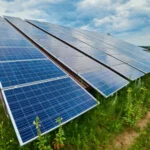
Improve Your Power Factor After Solar Installation: Complete Guide
Power factor after solar installation often fluctuates due to system design and load patterns. Learn the key causes, challenges, and solutions for better efficiency.
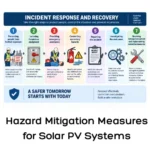
Hazard Mitigation Measures for Solar PV Systems
A complete guide to mitigation measures after hazards occur in solar PV systems, covering emergency response, hazard control, incident reporting, corrective actions, and follow-up inspections.
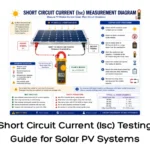
Short Circuit Current (Isc) Testing Guide for Solar PV
A complete guide to measuring short circuit current (Isc) in solar PV systems, including testing methods, safety guidelines, and performance evaluation for accurate system assessment.
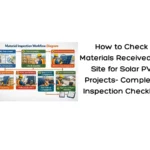
How to Check Materials Received on Site for Solar PV Projects: Complete Inspection Checklist
Ensuring the quality of materials received at site is critical for successful solar PV installation. This guide provides a detailed inspection checklist to verify solar components before installation.

Complete Guide to Net Metering and Electricity Bill Savings
Learn how net metering lets you sell excess solar energy back to the grid, reducing your electricity bills and maximizing your solar investment.
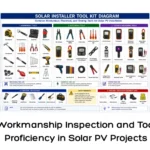
Workmanship Inspection and Tool Proficiency in Solar PV Projects
A complete guide to solar PV workmanship and tool proficiency, helping installers maintain quality standards and demonstrate technical competency.
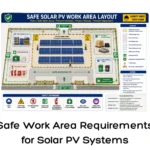
Workplace Safety Violations in Solar PV Projects
A complete guide to establishing and following safe work procedures in solar PV systems, ensuring worker safety during installation, testing, commissioning, operation, and maintenance.
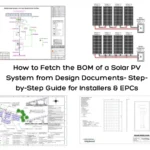
How to Fetch the BOM of a Solar PV System from Design Documents: Step-by-Step Guide for Installers & EPCs
Learn how to prepare a detailed Bill of Material (BOM) for solar PV systems using design documents like SLDs and layouts. This step-by-step guide helps installers ensure accurate material planning, reduce errors, and improve project execution.