
Civil Structural General Arrangement (GA) Drawing in Solar Projects: Complete Design & Layout Guide
A Civil Structural General Arrangement (GA) drawing in solar projects is a detailed layout that defines the placement of solar modules, mounting structures, inverters, and civil foundations. It plays a crucial role in ensuring accurate design, optimal space utilization, and smooth execution of both rooftop and ground-mounted solar installations. This guide explains the key components, design considerations, and best practices for creating effective GA drawings in solar EPC projects.
Top Industrial Solar EPC: How to Choose the Right Solar EPC Company for Industries in India
Choosing the right industrial solar EPC is critical for plant performance and ROI. This guide explains how Indian industries can select the best solar EPC partner.
How Roof Area Determines Solar Capacity
Discover how available roof area affects solar plant capacity, with insights into usable space, panel dimensions, shading, access pathways, and factors that influence rooftop solar installation potential.

Solar Loans, Subsidies & EMI Plans: Financing Made Easy
Explore solar loans, government subsidies, and flexible EMI plans to make installing solar panels affordable and hassle-free.
6 Innovative Applications of Solar Energy You Should Know About
Explore how solar energy is revolutionizing daily life and industries. From solar-powered transport to smart cities, discover six groundbreaking solar applications shaping a cleaner, smarter future.

Go Off-Grid with Solar Energy: A Complete Guide
Living off-grid, more commonly defined as not having a dependence on public utilities such as electricity, sounds appealing for a lot of reasons. The idea of being self-sufficient, powering your own home with solar energy, and maybe even building that home with your own two hands can sound like a dream and a challenge for people who wish to live life on their terms.
500 kW Rooftop Solar for Industries in India: Complete Guide 2026
A complete guide to 500 kW solar for industries covering installation cost, energy generation, ROI, savings, and why it is a smart business investment.
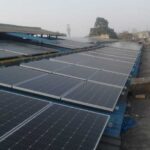
Solar Cell Technology: Monocrystalline vs Polycrystalline vs Thin-Film
Explore the different types of solar cells, including monocrystalline, polycrystalline, and thin-film, and learn their efficiency, applications, and benefits for solar energy systems.