
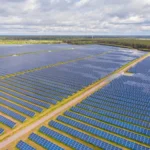
How Installers Cut Costs on Solar PV Module Mounting Structures
When we are talking about 25 years of life for a Solar PV Rooftop Power Plant, Module Mounting Structure plays a crucial role. In this bog we will be discussing on Solar PV Module Mounting Structure Quality and Design.
As per standards, Solar PV Module mounting structure for a Solar PV Rooftop Power Plant should be designed to withstand storm condition with wind speed up to maximum 150 Kmph. But in the competitive market of Solar PV Rooftop Power plants, many installers are compromising with the quality and strength of Module mounting structures.
STAAD PRO TEST
To ensure that the structure is designed with relevant max wind speed the STAAD PRO test (simulating the conditions of wind speed to see the stress on each joint) needs to be done. It costs the installer about 5000 but to save these 5000, he takes risk with the life of the structure. For a 10 KW power plant this is significant as it amounts to Rs 0.5/w of savings for the installer.
Many installers use pregalvanized sheets and forming sections out of it rather than making sections with MS Plates and then going for hot dipped galvanizing (80 microns coating) the same to make the structure. But the process being adopted with pregalvanized sheets gives a better look and feel to the structure, saves cost and time.
Galvanized Sheets
When somebody cuts the galvanized sheets the cut edge of the sheet does not remain galvanized and therefore when exposed to moisture and atmospheric conditions gets rusted with time reducing the strength of the structure. The difference in cost may be around Rs. 1-2/Watt, but this saving comes with the risk of damaging the power plant.
So if the Solar PV Rooftop uses best Solar PV Module and best Inverter, but margins are created out of Structure compromising quality, then there is a possibility of Solar PV Module blowing off or structure uplifting and may more in the event of a storm or with time.
Quality and Strength of Solar PV Module Mounting Structure
So, while comparing various installers for Solar PV Rooftop System installations at your premises, you should consider the importance of module mounting structure. You need to question your installer about the size, quality and strength of the material he would be using for your Solar PV Rooftop power plant. For best results, Solar PV Module mounting structure should be a Hot Dipped Galvanized structure, designed to withstand a wind speed of maximum 150 Kmph and STAAD PRO analysis should be done for that structure.
So, when you are looking for quality installation of Solar PV Rooftop power plant that will work for 25 years and more, then you surely need to consider the importance of Structure Quality and the knowledge of the installing company. Do not go for price alone, as looking for cheaper supplier may result in costly repairs at a later stage.
Solar PV Module Mounting Structure:
While designing the structure the tilt angle of the panels is an important aspect which needs to be carefully considered because if the direction of the panels on mounted structure is not on true south at an elevation equal to latitude of the site then there is bound to be loss of power.
Assuming altitude to be 30 degrees then 180 degree south will give the best results.
Modules after mounting on structure are facing west then loss shall be 17% but if it is facing east then loss could be as high as 22%. For optimum results of power generation structure design should be such that after mounting of modules, modules remain in true south at appropriate altitude angle.
Register at our website for reading more of such blogs.
Suggested Articles

Fire Hazard in a Solar Setup at Rice Mill, Kaithal – Case Study and Safety Insights
A recent fire incident at a rice mill in Kaithal highlights the critical importance of safety in solar installations. This case study analyzes the root causes, system faults, and preventive actions that can help industries avoid similar hazards in their solar setups.
Solar Cell Technology: Monocrystalline vs Polycrystalline vs Thin-Film
Explore the different types of solar cells, including monocrystalline, polycrystalline, and thin-film, and learn their efficiency, applications, and benefits for solar energy systems.

SECI Sets Record in Renewable Energy Trading, Surpasses ₹100 Billion
SECI achieves record renewable power trading revenue surpassing ₹100 billion, marking a milestone in India’s clean energy growth and solar market expansion.

Complete Guide To 100 kW Solar Setup Cost And Benefits In Uttar Pradesh
Planning to install a 100 kW solar power plant in Uttar Pradesh? This guide covers everything — from installation costs and available subsidies to long-term savings and payback time. Learn how investing in solar can reduce your electricity expenses and support a sustainable energy future for your business.
Standalone Solar PV System Startup Guide
A complete guide to standalone solar PV system startup, including commissioning steps, safety inspections, and operational checks for reliable performance.
Benefits of Solar Energy: Why Switching to Solar Makes Sense
Switching to solar energy offers numerous benefits, from lowering electricity bills to reducing your carbon footprint. This guide explores how solar power supports sustainable living, provides cost savings, and creates a cleaner environment for homes, businesses, and industries. Learn why adopting solar energy is not just smart, but essential for a greener future.
Cable Continuity Testing in Solar Installations Guide
A complete guide to cable termination in solar installations, including tools, step-by-step methods, and best practices for safe connections.
Grounding Conductor Sizing for Solar PV Systems
A complete guide to determining grounding conductor size for solar PV systems, ensuring safe, compliant, and reliable installations.