Haryana’s GEOA 2025: A Boost for Captive Solar Plants and Wind Energy Developers
The Haryana Electricity Regulatory Commission (HERC) introduced new changes to Green Energy Open Access (GEOA) in February 2025. These updates are expected to streamline renewable energy adoption in the state, making it easier for industries and large consumers to tap into solar and wind power.
But what exactly do these regulations mean, and who benefits the most? Let’s break it down step by step.
What is Green Energy Open Access?
Green Energy Open Access is a policy framework that allows electricity consumers to directly buy renewable energy (like solar and wind) from the open electricity market, rather than being completely dependent on the DISCOMs.
In simple terms, the businesses and industries can source clean energy at competitive prices. This lowers the electricity bills and helps them achieve sustainability targets by reducing dependencies on fossil fuels.
GEOA has introduced special facilities for industries that have distributed electricity facilities across multiple factories. This ensures flexibility for consumers to choose where to buy power from. It simultaneously creates demand for renewable developers by encouraging more green projects.
What Was the Previous Regulation?
The Green Energy Open Access regulations, which were implemented in 2023, had some restrictions. Highlighted key points are:
- Charges involved: Wheeling charges, cross-subsidy surcharges, and additional fees made renewable open access costlier for many users.
- Limited scope: Consumers could not always use renewable power flexibly across different units or facilities.
Many medium-sized businesses and captive power plant owners could not benefit fully due to high entry barriers and cost restrictions.
What Are the New Changes in the Implementation?
The 2025 regulation update by HERC has made key improvements that have boosted renewable adoption:
- Flexibility across facilities: Consumers with multiple units can now club their sanctioned load under the same electricity operation division of the distribution, if above 100 kW.
- Rationalized charges: Cross-subsidy and other charges have been simplified, making renewable power more cost-competitive.
These changes mean that even smaller industries, educational institutions, hospitals, and commercial buildings can now adopt green power without facing heavy restrictions.
Who Can Benefit?
The new regulations bring direct advantages to a wide set of consumers and stakeholders:
1. Industrial Consumers with Multiple Units
Industries with multiple factories and offices across different sites can now pool the entire load and opt for cheaper renewable energy.
2. Captive Power Plant Owners
Businesses with their own solar plants can easily transfer and sell power across other facilities and in the open market.
3. Solar & Wind Developers
The demand for renewable projects is now slowly growing, with additional help from the government, providing larger markets for the developers and offering open access.
4. Consumers on Shared Feeders
With shared electricity lines, now you can participate under the new framework and expand the reach for open access.
Conclusion
The 2025 HERC regulation changes mark a big step towards making renewable energy more accessible in Haryana. This not only supports India’s renewable energy targets but also gives industries a clear pathway to cut costs and meet sustainability goals.
At Smart Roof Solar, we help businesses and institutions navigate such policies and make the switch to solar smoothly. If you’re considering going green and want expert guidance, connect with us today, and let’s make your energy transition smart, affordable, and future-ready.
FAQs
Q1. Can consumers switch between DISCOM supply and open access?
Ans: Yes, it is possible, but it is important to follow the HERC’s switching protocols and timelines.
Q2. Are rooftop solar systems eligible under GEOA?
Ans: Rooftop solar systems are eligible only if they fall under any group arrangement.
Q3. Is there a cap on how much renewable energy a consumer can buy?
Ans: There is no fixed cap, but the arrangement must align with sanctioned load and grid availability.
Q4. How long does it take to get GEOA approval?
Ans: The actual timelines may vary, but HERC aims for approvals within 15–30 days.
Q5. Are banking facilities allowed under GEOA in Haryana?
Ans: Banking provisions are limited; consumers must align generation and consumption closely.
Suggested Articles

How to Connect a Solar Panel to an MPPT Charge Controller: Step-by-Step Guide
This guide explains how to connect a solar panel to an MPPT charge controller step by step. Learn correct wiring, safety tips, and best practices to ensure efficient and reliable solar power performance.
What Is a Solar Power Generating System? | Complete Guide
A solar power generating system converts sunlight into electricity for residential, industrial, and commercial use. This blog explains the components, working, and benefits of solar systems, helping you understand how to harness solar energy efficiently and sustainably.

Solar O&M Services: How to Ensure Peak Performance & Maximum Power for Solar System
Discover how Solar O&M services keep your solar system running at its best. From routine maintenance to performance monitoring, ensure maximum power and efficiency.
Solar ROI for Commercial & Industrial Projects in India: Cost, Payback & Profits
Learn how commercial and industrial solar projects deliver strong ROI for businesses in India through lower energy costs, faster payback, and long-term profit generation.
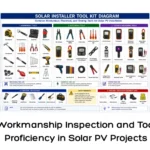
Workmanship Inspection and Tool Proficiency in Solar PV Projects
A complete guide to solar PV workmanship and tool proficiency, helping installers maintain quality standards and demonstrate technical competency.
How Total Solar PV Power Affects Solar System Efficiency
Total solar PV power represents the combined power output of a solar photovoltaic system. This guide explains its meaning, calculation, and how it directly impacts solar performance, efficiency, and long-term energy generation.

Solar Panel Unpacking Guide: Do’s & Don’ts on Site
A practical solar panel unpacking guide covering safe handling, on-site precautions, and key do’s and don’ts to avoid module damage.
New IREDA Loan Scheme for Solar Rooftop Projects: Benefits, Eligibility & Interest Rates
India’s renewable energy push gets a major boost with the new IREDA loan scheme for solar rooftop projects. This scheme offers low-interest financing, simplified approvals, and better support for residential, commercial, and industrial consumers. Here’s a detailed look at its benefits, eligibility, interest rates, and how to apply for funding.