Group Net Metering for Solar Projects: A Smart Way to Maximize Solar Energy Generation
Group Net Metering Case Study
The Sri Aurobindo International Centre of Education (SAICE) of the Aurobindo Ashram in Puducherry is perhaps the first educational institution to become self-reliant by meeting all its energy requirements through solar energy.
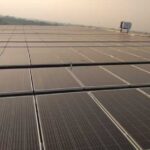
Grid-tied solar power plants have been installed on the rooftop of the Centre of Education building, Salle d’Art, Library and the Dining Hall with a cumulative capacity of around 130 kW. Subsequently, these rooftop power plants produce over 16,000 units of electricity per month.
The four buildings altogether themselves consume less than half of the electricity generated. Excess electricity is exported to compensate for the electricity consumed by other Ashram buildings. Thereby avoiding transmission and distribution losses.
Group Net Metering
The Ashram did not avail any Government capital subsidy and instead opted for the Group Net Metering facility. A unique feature of the Solar Energy Regulations of December 2014 by the Joint Electricity Regulatory Commission (JERC) for Goa and Union Territories. These Regulations provide for the surplus solar energy produced by a consumer to be adjusted in the electricity bill of another service connection (Group Net Metering) of the consumer within the State or Union Territory.
This provision facilitates optimal usage of rooftops that are suitable for solar energy in cities where land availability is limited. The performance of the four solar power plants is being tracked online using a remote monitoring system called Wattmon developed in Auroville.
The Wattmon system also monitors voltage, current, power output, solar inverter efficiency, cumulative electricity produced at any time of the day.
Suggested Articles

Installation of DC Energy Meters in Solar PV Systems: Step-by-Step Guide
DC energy meters are used in solar PV systems to measure generated DC power and energy. This guide explains installation, wiring, testing, and safety procedures for solar installers.

Poor vs Good Solar Installation: Key Differences Explained
A solar system’s performance depends heavily on installation quality. This blog explains the clear differences between a poor and good solar installation — from wiring practices and panel alignment to mounting structures and system safety — helping you make an informed choice and ensure long-term efficiency.

New IREDA Loan Scheme for Solar Rooftop Projects: Benefits, Eligibility & Interest Rates
India’s renewable energy push gets a major boost with the new IREDA loan scheme for solar rooftop projects. This scheme offers low-interest financing, simplified approvals, and better support for residential, commercial, and industrial consumers. Here’s a detailed look at its benefits, eligibility, interest rates, and how to apply for funding.

How the RESCO Model Works in Solar: A Complete Guide for Industries
The RESCO model allows businesses to adopt solar with zero upfront investment. Under this model, a developer installs, owns, and operates the solar plant while you simply pay for the power you consume—making clean energy both affordable and hassle-free.

What Is Global Tilted Irradiation (GTI) in Solar Energy? Explained Simply
Solar panel wattage and ratings decide how much electricity you generate. This guide explains panel output, efficiency, and how to choose the right solar panel for your needs.

Installation of Solar Cables for Modules and Inverters
A step-by-step guide to solar cable installation for modules, inverters, and other system components to ensure safe and reliable operation.

Basics of Electricity and Electric Terms and Laws Required for Renewable Energy – Complete Guide
Understanding the basics of electricity is essential for anyone working in renewable energy and solar power systems. From voltage and current to Ohm’s Law and power calculations, strong electrical fundamentals ensure safe and efficient solar installations. This complete guide explains key electrical terms, units, formulas, and laws required for renewable energy professionals, students, and solar PV installers.

Are Colleges and Schools ready to take up Solar challenge?
Adopting solar energy can help schools and colleges reduce electricity costs and promote sustainability. This guide explores how educational institutions can implement rooftop solar projects, the benefits, and what steps are needed to take on the solar challenge effectively.