Group Net Metering for Solar Projects: A Smart Way to Maximize Solar Energy Generation
Group Net Metering Case Study
The Sri Aurobindo International Centre of Education (SAICE) of the Aurobindo Ashram in Puducherry is perhaps the first educational institution to become self-reliant by meeting all its energy requirements through solar energy.
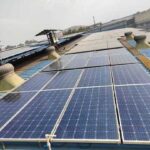
Grid-tied solar power plants have been installed on the rooftop of the Centre of Education building, Salle d’Art, Library and the Dining Hall with a cumulative capacity of around 130 kW. Subsequently, these rooftop power plants produce over 16,000 units of electricity per month.
The four buildings altogether themselves consume less than half of the electricity generated. Excess electricity is exported to compensate for the electricity consumed by other Ashram buildings. Thereby avoiding transmission and distribution losses.
Group Net Metering
The Ashram did not avail any Government capital subsidy and instead opted for the Group Net Metering facility. A unique feature of the Solar Energy Regulations of December 2014 by the Joint Electricity Regulatory Commission (JERC) for Goa and Union Territories. These Regulations provide for the surplus solar energy produced by a consumer to be adjusted in the electricity bill of another service connection (Group Net Metering) of the consumer within the State or Union Territory.
This provision facilitates optimal usage of rooftops that are suitable for solar energy in cities where land availability is limited. The performance of the four solar power plants is being tracked online using a remote monitoring system called Wattmon developed in Auroville.
The Wattmon system also monitors voltage, current, power output, solar inverter efficiency, cumulative electricity produced at any time of the day.
Suggested Articles

100 kW Solar Power Plant in Indore – Latest Cost, Subsidy & Payback Period
A 100 kW solar plant in Indore costs around ₹40–55 lakh in, offering annual savings of up to ₹10 lakh and a payback period of 4–6 years. Learn about installation, maintenance, and ROI to make your solar investment worthwhile.

Role of PV Solar Installer in India – Responsibilities, Skills, and Industry Importance
PV solar installers play a critical role in India’s rapidly expanding solar energy sector. From rooftop systems to large-scale industrial projects, skilled installers ensure safe, efficient, and compliant solar plant deployment. This guide explains the responsibilities, technical skills, certifications, and career opportunities for PV solar installers in India, along with their growing importance in supporting the nation’s renewable energy transition.

Solar Cable Guide | Types, Sizing & Specifications for PV Systems
Solar cables play a critical role in ensuring efficient and safe power transmission in PV systems. This guide explains cable types, specifications, sizing methods, and best practices for selecting the right solar cables.

Can Solar Systems Support Industrial Motors and Machines? A Complete Guide
Discover how using solar for heavy machines can power industrial equipment reliably and cost-effectively for greener operations.

India Solar Energy Policies: Key Updates and Government Initiatives
India is one of the leading countries in terms of solar energy development, having become the fastest-growing market for solar power globally.

Solar Microgrids: All you need to know
Discover how solar batteries store excess energy, maximize your solar system’s efficiency, and provide reliable power during outages. Learn about the types, benefits, lifespan, and maintenance tips to make the most of your solar investment.

Rooftop Solar for Factories: Cost, Benefits, ROI & Installation Guide in India
Learn how rooftop solar for factories in India lowers power costs with high ROI, faster payback, and long-term energy savings for industrial facilities.

Solar Structure Alignment and Leveling Guide for Installers
A step-by-step guide to solar tracking system installation, covering setup, alignment, and best practices for maximum efficiency and performance.