Group Net Metering for Solar Projects: A Smart Way to Maximize Solar Energy Generation
Group Net Metering Case Study
The Sri Aurobindo International Centre of Education (SAICE) of the Aurobindo Ashram in Puducherry is perhaps the first educational institution to become self-reliant by meeting all its energy requirements through solar energy.
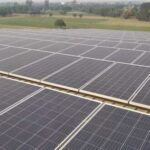
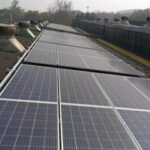
Grid-tied solar power plants have been installed on the rooftop of the Centre of Education building, Salle d’Art, Library and the Dining Hall with a cumulative capacity of around 130 kW. Subsequently, these rooftop power plants produce over 16,000 units of electricity per month.
The four buildings altogether themselves consume less than half of the electricity generated. Excess electricity is exported to compensate for the electricity consumed by other Ashram buildings. Thereby avoiding transmission and distribution losses.
Group Net Metering
The Ashram did not avail any Government capital subsidy and instead opted for the Group Net Metering facility. A unique feature of the Solar Energy Regulations of December 2014 by the Joint Electricity Regulatory Commission (JERC) for Goa and Union Territories. These Regulations provide for the surplus solar energy produced by a consumer to be adjusted in the electricity bill of another service connection (Group Net Metering) of the consumer within the State or Union Territory.
This provision facilitates optimal usage of rooftops that are suitable for solar energy in cities where land availability is limited. The performance of the four solar power plants is being tracked online using a remote monitoring system called Wattmon developed in Auroville.
The Wattmon system also monitors voltage, current, power output, solar inverter efficiency, cumulative electricity produced at any time of the day.
Suggested Articles

Can Solar Systems Support Industrial Motors and Machines? A Complete Guide
Discover how using solar for heavy machines can power industrial equipment reliably and cost-effectively for greener operations.

Battery Bank Installation Guide for Solar PV Systems
A step-by-step guide to battery bank installation for solar PV systems, covering location planning, battery setup, and safety requirements.

How to Fetch the BOM of a Solar PV System from Design Documents: Step-by-Step Guide for Installers & EPCs
Learn how to prepare a detailed Bill of Material (BOM) for solar PV systems using design documents like SLDs and layouts. This step-by-step guide helps installers ensure accurate material planning, reduce errors, and improve project execution.

Solar Loans, Subsidies & EMI Plans: Financing Made Easy
Explore solar loans, government subsidies, and flexible EMI plans to make installing solar panels affordable and hassle-free.

Yes, I Have Installed an Optimized Solar PV Rooftop System at My Premises
A solar power generating system converts sunlight into electricity for residential, industrial, and commercial use. This blog explains the components, working, and benefits of solar systems, helping you understand how to harness solar energy efficiently and sustainably.

Blame it on Sun! Average Solar PLFs not satisfactory
Explore the reasons behind low average Solar PLFs, from environmental factors to system design, and learn strategies to boost solar plant performance

How Are Solar PV Modules Made? Complete Guide to the Manufacturing Process
Choosing the right solar panels can be confusing with so many options in the market. This guide simplifies solar panel selection by comparing types, efficiency ratings, and cost factors. Whether for your home, business, or industry, learn how to make an informed decision and maximize the return on your solar investment.

How to Read the Electricity Bill Before Deciding Solar Plant Capacity
Load assessment is an essential step before installing a solar PV system. It helps determine electricity consumption and ensures accurate system sizing for optimal solar performance.