
Solar energy plants promise clean power, lower electricity bills, and long-term savings. But one critical aspect often overlooked is installation quality, especially in wiring and safety systems. A solar setup at a rice mill in Kaithal became a live example: a fire broke out because of poor DC wiring, inadequate earthing, and sloppy workmanship. This case offers valuable lessons.
What Went Wrong: Faults in the DC Cable Setup
In the Kaithal rice mill system, the fire likely started somewhere along the DC cable run from the modules to the inverter. A combination of these issues contributed:
- Poor quality DC cables & MC4 connectors: Substandard insulation or mismatched connectors can lead to arcing under load.
- Bad workmanship & cable dressing: Wires bunched up without proper layout, twisting, crossing, and no tidy routing.
- No protective conduits: Cables were not routed through DWC (double-wall corrugated) or HDPE pipes, leaving them exposed.
- Poor earthing: Lack of adequate ground path means fault currents cannot safely dissipate.
- Heat from bundled wires: When many wires run too close together, heat accumulates. In the absence of proper spacing and ventilation, insulation melts or arcs.
- Absence of cable tray capping: The open wiring was unprotected from mechanical damage, weather, rodents, etc.

Together, these created a “thermal time bomb.” As per industry reports, wiring and faulty connectors are common causes of solar fires. In many inspected industrial rooftop systems, over 90% had serious safety risks tied to poor cable installation.
Broader Context: Why Solar Fires Happen

It helps to see that this isn’t an isolated accident. Across India and globally, improper wiring, poor connector terminations, and weak installations routinely show up in fire damage analyses.
Some commonly reported root causes:
- Mismatched or loose DC connectors
- Uninsulated cable joints or sharp edges that damage insulation
- Overheating of panels or wiring due to poor design or ventilation
- Inverter internal faults or arcing (modules inject DC power)
- Lack of thermal monitoring or timely preventive maintenance
Because solar systems operate at high voltages, even small lapses in DC side safety can lead to serious hazards.
How It Could Have Been Avoided: Best Practices
From this case, we can draw practical mitigation steps. Here’s what should have been done:
Use high-grade materials
A-grade solar modules, premium DC & AC cables, proper MC4 connectors, and certified BOS (Balance of System) parts.
Connector & clip support
Use MC and DC cable clips, strain reliefs, and secure clamping to avoid movement and cable stress.
Proper sizing & length
Avoid overlong cable runs; choose the correct gauge to minimize voltage drop and heating.
Robust earthing
Implement strong earthing to clear faults; ground rods, bonding to structure, and regular testing.
Good layout & array design
Panels and wiring laid out to allow ventilation, heat dissipation, easy access.
Protective routing
Always route cables through DWC, HDPE pipes, or cable trays with covers to protect from external damage.
If these had been followed, the risk of thermal failure would have dropped dramatically.
What This Means for Solar Costs & ROI
You might think such safety measures get expensive, and they do add to the solar installation cost, solar panel system cost, and solar energy installation cost. But think of it as insurance. Damage, replacement, downtime, all those costs are far higher.
In the bigger picture:
- A good install reduces fire risk, protects your investment, and ensures solar electricity keeps flowing.
- Proper wiring and safety reduce maintenance and warranty claims.
- Even with premium materials, when spread over a system lifespan of 20+ years, their cost is minimal per kWh.
When customers look at solar roof installation cost, solar motor price per watt, or cost of solar per kWh installed, they often ignore safety overheads, but those overheads ensure you keep your system for its promised life.
Lessons for Installers & Owners
- Quality over cutting corners: Don’t try to save by buying cheap components or hiring untrained labor.
- Inspection & audit: Always inspect DC wiring after installation; third-party audits help.
- Preventive maintenance: Regularly check for hot spots, loose terminations, and cable insulation aging.
- Thermal / arc detection: Use sensors or modules to detect abnormal heating or arcing early.
- Training & standards: Enforce workmanship standards, torque values, cable dressing norms, and protective routing practice.
As solar becomes more common, these safety practices will increasingly be expected by regulators, insurers, and customers.
Conclusion
The Kaithal rice mill fire is a stark reminder that even a well-intended solar system can fail if wiring and safety are ignored. The core components of a safe solar plant go beyond panels, they include the cables, connectors, grounding, layout, and workmanship.
At Smart Roof Solar, we prioritize safety in every system. We don’t just quote solar installation charges or solar panel in rooftop costs, we build systems with rigorous quality, certified components, and strong O&M support to prevent fire risk.
Everything You Need to Know About Solar System Earthing
Power factor after solar installation often fluctuates due to system design and load patterns. Learn the key causes, challenges, and solutions for better efficiency.
Installation of DC Combiner Box with Disconnect Protection: Step-by-Step Guide
A DC combiner box is an important protection component in solar PV systems. This guide explains its installation, disconnect protection, wiring, and safety requirements.
PWM vs MPPT Charge Controllers: Specifications and Key Differences
Choosing the right charge controller is essential for battery performance and system efficiency. This guide compares PWM and MPPT charge controllers, explaining their specifications, working principles, and key differences to help you select the best option.
Environmental Hazards in Solar PV Installations Guide
A complete guide to identifying and mitigating safety hazards in solar PV systems, including risk assessment, hazard control, preventive measures, and workplace safety practices.
India and IMT-GT JBC Sign MoU to Boost Energy Efficiency in Southeast Asia
The first meeting of the G20 Energy Transitions Working Group was held in Bengaluru, India, and was a success, with participants sharing a consensus on the priority areas of energy security and diversified supply chains.
How the RESCO Model Works in Solar: A Complete Guide for Industries
The RESCO model allows businesses to adopt solar with zero upfront investment. Under this model, a developer installs, owns, and operates the solar plant while you simply pay for the power you consume—making clean energy both affordable and hassle-free.
Solar Power Set to Overtake Coal as World’s Largest Energy Source in Four Years
Solar power has come a long way in the past decade, moving from being an also-ran to one of the major players in the global energy race. According to the International Energy Agency, next year, solar photovoltaic capacity will surpass hydropower, followed by gas-fired generation in three years and coal in four years.
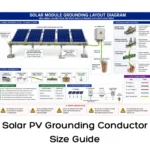
Solar System Grounding Conductor Size Guide
A complete guide to determining grounding conductor size for solar PV systems, ensuring safe, compliant, and reliable installations.