
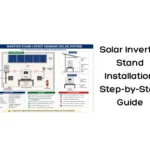
Solar Inverter Stand Installation: Step-by-Step Guide
A step-by-step guide to solar inverter stand installation as per drawings and manuals, ensuring proper alignment, stability, and safety.

CAPEX or OPEX? How to Choose the Best Solar Ownership Model
Choosing between the CAPEX and OPEX models can greatly impact your solar savings and ownership benefits. This guide explains both models to help you make the right decision.

Solar Power Park Scheme: Central Government Expands Clean Energy Initiative
The Union government plans to launch the second phase of a dedicated program to develop solar parks across the country that will aim to plug loopholes and overcome slow progress.

Fire Hazard in a Solar Setup at Rice Mill, Kaithal – Case Study and Safety Insights
A recent fire incident at a rice mill in Kaithal highlights the critical importance of safety in solar installations. This case study analyzes the root causes, system faults, and preventive actions that can help industries avoid similar hazards in their solar setups.

Commercial Solar Power Plant Subsidy in India: What Businesses Need to Know
Businesses in India can reduce their solar installation costs through various MNRE-backed subsidies and state incentives. Learn eligibility, benefits, and the application process for commercial solar plants.
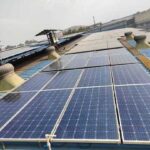
Top Solar Companies & Suppliers in Delhi/NCR – A Complete Guide
Looking for trusted solar panel suppliers in Delhi/NCR? Explore leading solar companies serving Gurgaon, Noida, Faridabad, Manesar, and Ghaziabad. Compare product quality, technology, and services to choose the right solar partner for your home, business, or factory.

India and Japan Strengthen Renewable Energy Cooperation
India and Japan have initiated a partnership under the Asia Energy Transition Initiative (AETI) to support India’s clean energy transition. India has set an ambitious target of achieving net-zero by 2070, while Japan aims to achieve the same by 2050.
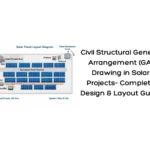
Civil Structural General Arrangement (GA) Drawing in Solar Projects: Complete Design & Layout Guide
A Civil Structural General Arrangement (GA) drawing in solar projects is a detailed layout that defines the placement of solar modules, mounting structures, inverters, and civil foundations. It plays a crucial role in ensuring accurate design, optimal space utilization, and smooth execution of both rooftop and ground-mounted solar installations. This guide explains the key components, design considerations, and best practices for creating effective GA drawings in solar EPC projects.