How to Improve Energy Efficiency and Save Electricity Costs
With the ever growing temperatures and the persistent humidity, ACs have become a necessity today; as have the room heaters with the chilling temperatures of winters.
And while these make living easier, they do increase the cost of living. The ever increasing electricity rates don’t help the bills either.
There sure are the green methods to lower the electricity bills, for e.g., LED light sources, the energy efficient appliances, and the latest, solar power; and then there are also some easy tricks and minor adjustments in the way we use our appliances which can help cut down the energy costs. These don’t require an immediate big change or investment, and yet help cut down on the costs.
- Air Conditioners: Ensuring properly clean and dust/blockage free vents ensure better cooling n lesser power consumption.
- Washing Machines: Ideally, the machine can be packed with as many clothes as can fit in, but practically, that is not advisable. Especially if the drier has to be used later. The drier seems to work better with about 20-25% lesser load. That ensures better cleaning/drying, and no over-loading of the machine too. As far as possible, washing the clothes in cold water reduces the power requirements. Heating the water in the machine, tends to use the maximum energy. Washing with cold water also has the advantage of lesser probability of colour running off of the clothes.
- Computers and TV set: Always powered on computers, TVs, music systems and phone chargers contribute a lot of unaccounted units in the bills. Ensuring to switch them off when not in use, definitely cuts down at least a small portion of the bill.
- Setting sleep mode and hibernate, to reduce the power consumption during inactive periods, is also a great help.
- Screensavers, as beautiful as they look, unlike the general perception, don’t save energy, instead, they use more. Setting off the monitor after a few minutes of being idle, is a wiser choice with respect to power saving.
- Unplug: Though we don’t realise it, but unplugging the devices that are seldom used, can actually save us a bit.
- Ovens: Peeking inside the oven frequently, lets out the heat, causing more power consumption for the same amount of cooking.
- Dishwashers: By the same logic as washing machine, turning down the heat to minimum required would help save some energy consumption.
Also stacking up the dishwasher efficiently increases the efficiency, and reduces the power consumption for reruns.
Suggested Articles

Generation Based Incentive Proposed for Rooftop Solar in Haryana
Haryana plans to offer Generation Based Incentive (GBI) for rooftop solar installations, promoting clean energy adoption and reducing electricity costs for consumers.
India’s Renewable Energy Revolution: The Role of Agrivoltaics
Agrivoltaics, the integration of solar panels with agricultural land, is emerging as a key driver in India’s renewable energy revolution. This blog explains how agrivoltaics supports sustainable farming, increases land efficiency, and contributes to clean energy production, helping India meet its solar energy targets while boosting rural economies.

Industrial Solar Plants with Diesel Generator Backup: What You Need to Know
Discover how industries can efficiently run rooftop solar plants alongside diesel generators (DG). Learn the benefits, setup tips, and hybrid system strategies to ensure uninterrupted power and maximize energy savings.

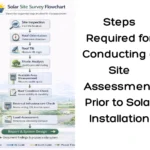
Steps Required for Conducting a Site Assessment Prior to Solar Installation
A solar site assessment helps installers evaluate location, shading, structure, and energy requirements before installation. This guide explains the essential steps for accurate solar system planning.
Selecting Solar Panels: Best Guide for Homes and Factories
Solar panels are a hot topic these days, as the cost of solar is finally approaching what the average family can afford.

Solar Installation on Sloped Roofs: Design, Mounting Systems & Best Practices
A practical guide to flat roof solar installation covering key design considerations, mounting system types, and best practices for efficient and reliable performance.

Top 10 Sustainable Building Practices to Consider for Your Construction Business
The construction industry is embracing sustainability like never before. From smart design to renewable energy use, these top 10 practices ensure businesses stay competitive, compliant, and environmentally responsible.

CAPEX or OPEX? How to Choose the Best Solar Ownership Model
Choosing between the CAPEX and OPEX models can greatly impact your solar savings and ownership benefits. This guide explains both models to help you make the right decision.