
In the renewable energy sector, especially in solar PV installations, understanding the difference between electric power and electric energy is fundamental. Many people use these terms interchangeably, but they represent two different electrical concepts. For a solar installer, confusing power and energy can lead to incorrect system sizing, inverter mismatch, improper load calculation, and unrealistic client expectations.
This detailed guide explains electric power vs electric energy, their formulas, units, practical examples, and why mastering this difference is critical for professional solar installers.
What Is Electric Power?
Definition of Electric Power
Electric power is the rate at which electrical energy is produced or consumed. In simple terms, power tells us how fast electricity is being used at any given moment.
Unit of Electric Power:
Watt (W)
Kilowatt (kW) → 1 kW = 1000 W
Formula of Electric Power
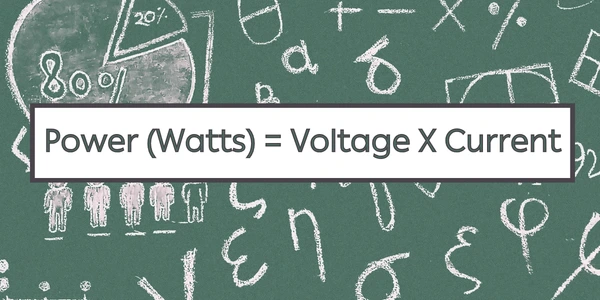
Where:
P = Power (Watts)
V = Voltage (Volts)
I = Current (Amperes)
Example of Electric Power in Solar Systems
If a solar panel produces:
V = 40V; I = 10A
Then:
P = 40 × 10 = 400W
This means the panel can deliver 400 watts of power at that instant.
What Is Electric Energy?
Definition of Electric Energy
Electric energy is the total amount of electricity consumed or generated over a period of time.
While power tells us how fast electricity is used, energy tells us how much electricity is used over time.
Unit of Electric Energy:
Watt-hour (Wh)
Kilowatt-hour (kWh)
Electricity bills are calculated in kilowatt-hours (kWh).
Formula of Electric Energy
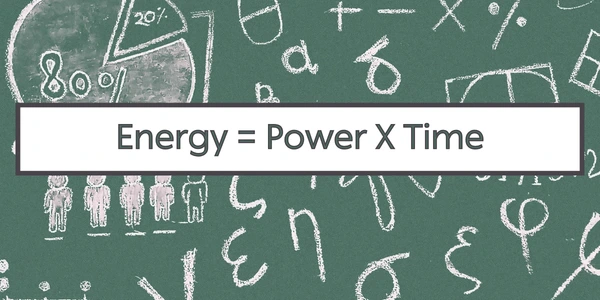
kWh = kW \times Hours
Example of Electric Energy in Solar Systems
If a 1 kW solar system runs for 5 hours:
Energy = 1 kW × 5 hours = 5 kWh
This means 5 units of electricity were generated.
Key Differences Between Electric Power and Energy
Parameter | Electric Power | Electric Energy |
Definition | Rate of Electricity Use | Total electricity used over-time |
Unit | Watt (W), Kilowatt (kW) | Watt-hour (Wh), Kilowatt-hour (kWh) |
Formula | P = V X I | Energy = Power X Time |
Measured by | Wattmeter | Energy Meter |
Solar Context | Panel or Inverter capacity | Daily/monthly generation |
Simple Real-Life Analogy
Think of power like the speed of a car, and energy like the total distance traveled.
Speed (Power) = How fast you are going
Distance (Energy) = How far you travel over time
Similarly:
kW = Instant electrical capacity
kWh = Total electricity produced or consumed
Why Understanding Electric Power and Energy Is Important for Solar Installers
For a solar PV installer, distinguishing between power and energy is critical in the following areas:
1. Correct Solar System Sizing
Clients often say: “I use 300 units per month.”
Units mean kWh (energy), not kW (power).
The installer must calculate:
- Daily energy consumption
- Required system capacity in kW
Confusing the two leads to undersized or oversized systems.
2. Inverter Selection
Inverter capacity is rated in kW (power).
If load demand exceeds the inverter’s power rating, system failure can occur.
Understanding peak power demand ensures proper inverter selection.
3. Load Calculation
Appliances have power ratings (W or kW). Total daily energy consumption depends on usage time.
Example:
1 kW load running 5 hours = 5 kWh energy
Accurate calculations prevent system overload.
4. Estimating ROI and Payback
Solar savings depend on energy production (kWh), not just power capacity (kW).
For example:
10 kW system generating 40 kWh daily
Monthly generation ≈ 1200 kWh
Financial planning depends on energy output.
5. Battery Sizing
Battery capacity is measured in kWh (energy storage). Load demand is calculated in kW (power).
Both must be matched carefully.
Common Mistakes Due to Confusion
- Installing a 5 kW system for a 5 kWh daily requirement
- Ignoring peak load demand
- Misinterpreting electricity bills
- Incorrect battery backup planning
Professional solar installers must clearly explain the difference to customers.
For a clear understanding:
Sno. | Electrical Term | Symbol of term | Unit of measurement | Symbol of unit | Alternate unit |
1 | Voltage | V | Volt | V | mV |
2 | Current | I | Ampere | A | mA |
3 | Power | P | Watt | W | kW, MW |
4 | Energy | E | Watt-Hour | Wh | kWh |
Conclusion
Understanding the difference between electric power and energy is essential for accurate solar PV system design and installation. Power (kW) represents the rate at which electricity is used or produced, while energy (kWh) represents the total amount consumed or generated over time.
For solar installers, this distinction directly impacts system sizing, inverter selection, battery planning, load management, and financial calculations. Misinterpreting power and energy can result in costly design errors and dissatisfied clients.
As renewable energy adoption grows, professional expertise in electrical fundamentals like power and energy ensures efficient, safe, and economically viable solar installations. Mastering this concept is not just technical knowledge; it is a core competency for every successful solar installer.
FAQs
Q1. What is the main difference between power and energy?
Ans: Power is the rate of electricity use; energy is the total electricity used over time.
Q2. What does kW mean in solar systems?
Ans: A kilowatt represents power capacity.
Q3. What does kWh mean on an electricity bill?
Ans: A kilowatt-hour represents energy consumption.
Q4. Why is kW important for inverter selection?
Ans: It determines the maximum load handling capacity.
Q5. Why is kWh important for solar system sizing?
Ans: It determines the total daily energy requirement.
Minimum Land Requirement for Solar Power Plants in India
Understanding the land requirement for solar plant projects in India is essential for accurate planning and approvals. This article explains minimum land needed per kW and MW, key influencing factors, and differences between rooftop and ground-mounted solar plants.
Unintentional Islanding Test for Solar PV Systems
A complete guide to performing the solar PV anti-islanding test, ensuring safe grid-connected operation, regulatory compliance, and reliable inverter performance.
Solar Inverter Stand Installation: Step-by-Step Guide
A step-by-step guide to solar inverter stand installation as per drawings and manuals, ensuring proper alignment, stability, and safety.
Cable and Conduit Labeling in Solar PV Systems
A complete guide to cable termination in solar installations, including tools, step-by-step methods, and best practices for safe connections.
EIB Green Hydrogen India: €1 Billion Investment to Boost Clean Energy Transition
The European Investment Bank (EIB), the bank of the European Union, has joined forces with the India Hydrogen Alliance (IH2A) to increase support for the development of green hydrogen projects across India.

Researchers Develop Technique to Improve Durability of Perovskite Solar Cells
Researchers have introduced a new technique to enhance the durability of perovskite solar cells, paving the way for more reliable and long-lasting renewable energy solutions.
Solar for Industrial Use in India: Costs, Benefits & Energy Savings Explained
Solar for industrial use in India is rapidly transforming how factories manage energy costs and efficiency. This guide covers system sizes, costs, benefits, ROI, and how solar energy helps manufacturing units, warehouses, and industrial plants reduce power bills and ensure long-term sustainability.
Higher Electricity Bills in Haryana as Fuel Surcharge Rises
Haryana consumers are facing higher electricity bills after the Haryana Electricity Regulatory Commission (HERC) approved a fuel surcharge hike for DHBVN and UHBVN areas. The increase reflects rising fuel and power purchase costs, directly impacting domestic, commercial, and industrial users across the state.