

Solar Site Assessment: Shadow Analysis for Maximum Energy Generation
Shadow analysis is a critical step in solar site assessment. It helps solar installers identify shading obstacles and optimize panel placement for maximum energy generation.

Monitoring Services for Solar Plants by Smart Roof Solar to Maximize Performance and Efficiency
Smart Roof Solar provides advanced monitoring services for solar plants to ensure maximum performance and efficiency. With real-time data tracking and intelligent analytics, our monitoring solutions help detect issues early, reduce downtime, and enhance the overall energy yield of your solar system.
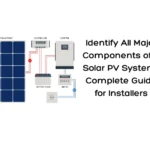
How to Prepare a Bill of Material (BOM) for Solar PV Systems: Step-by-Step Installer Guide
Learn how to prepare a detailed Bill of Material (BOM) for solar PV systems using design documents like SLDs and layouts. This step-by-step guide helps installers ensure accurate material planning, reduce errors, and improve project execution.
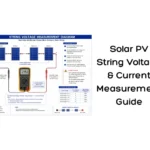
Solar PV String Voltage and Current Measurement Guide
A complete guide to DC voltage and current testing for solar PV strings and arrays, ensuring accurate performance verification during commissioning.

How to Inspect and Maintain Solar Arrays
A complete guide to solar array inspection and maintenance, helping improve system reliability, energy output, and long-term performance through routine inspections and preventive care.

EIB Green Hydrogen India: €1 Billion Investment to Boost Clean Energy Transition
The European Investment Bank (EIB), the bank of the European Union, has joined forces with the India Hydrogen Alliance (IH2A) to increase support for the development of green hydrogen projects across India.
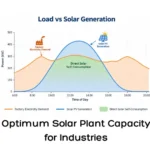
Optimum Solar Plant Capacity for Industries
A complete guide to sizing a solar plant for an industrial facility, covering electricity consumption, peak demand, rooftop space, load patterns, grid export limits, and financial feasibility.

Difference Between Inverter and Solar Inverter: A Complete Comparison
Confused between an inverter and a solar inverter? This guide explains their key differences, working principles, advantages, and which option is best for your home or business.