
Connecting a solar panel to an MPPT charge controller is one of the most important steps in setting up a safe and efficient solar power system. A correct connection not only improves solar electricity generation but also protects your batteries and increases the overall system life.
In this blog, we explain how to connect solar panels to an MPPT charge controller step by step, along with safety tips, wiring sequence, and a diagram explanation. This guide is useful for anyone planning a solar installation for home, commercial, or industrial use.
What Is an MPPT Charge Controller?
An MPPT (Maximum Power Point Tracking) charge controller is an advanced solar controller that extracts the maximum possible power from solar panels and safely converts it to match battery voltage.
It improves system efficiency, reduces power loss, and plays a key role in lowering the total cost of solar installation by improving long-term energy output.
Why Correct Connection Matters
Incorrect wiring can cause:
- Controller damage
- Battery failure
- Fire risk
- Reduced solar output
A proper setup ensures:
- Stable battery charging
- Higher system efficiency
- Safe renewable energy generation
- Better return on solar energy installation cost
Main Components Required
Before connecting, make sure you have:
- Solar panels
- MPPT charge controller
- Battery bank
- DC circuit breaker/fuse
- MC4 connectors
- Proper DC cables
- Multimeter
- Insulated tools
These components form the foundation of a safe renewable solar power system.
Correct Connection Sequence
Always follow this order:
- Battery → MPPT controller
- Solar panel → MPPT controller
- Load/inverter → battery
This allows the controller to detect battery voltage first and regulate charging correctly.
Step-by-Step Guide: How to Connect a Solar Panel to an MPPT Charge Controller
Step 1: Install the MPPT Controller
Mount the controller indoors in a dry, ventilated place, away from heat and moisture. Ensure easy access for monitoring and maintenance.
Step 2: Connect Battery to MPPT Controller
- Identify battery positive (+) and negative (–)
- Connect to the controller battery terminals
- Install a fuse or DC breaker for safety
The controller will power on and detect system voltage automatically.
This step is critical for stable solar electricity storage.
Step 3: Connect Solar Panels to the Controller
- Check panel voltage and polarity
- Use MC4 connectors
- Connect the panel positive to PV+ and negative to PV–
Once connected, the controller will start harvesting energy and optimizing output using MPPT technology.
This step directly impacts solar panel system cost efficiency.
Step 4: Connect Load or Inverter (If Applicable)
Some MPPT controllers support direct DC loads. For AC loads, connect the inverter to the battery bank, not directly to the controller.
This ensures reliable solar energy for home and commercial applications.
Step 5: System Testing
- Check the controller display
- Confirm charging current
- Measure battery voltage
- Inspect all connections
Testing prevents faults that may increase maintenance costs and downtime.
Safety Tips While Connecting
- Never connect panels before batteries
- Avoid reverse polarity
- Use properly rated DC breakers
- Do not touch live terminals
- Ensure proper earthing
- Follow the manufacturer’s voltage limits
These practices protect your investment in renewable energy technology.
Common Wiring Configurations
Solar panels can be connected:
- In series (to increase voltage)
- In parallel (to increase current)
- Series-parallel (for large systems)
MPPT controllers allow higher input voltage, making them ideal for optimizing solar panel area per kW.

How MPPT Improves Solar Output
MPPT controllers:
- Track optimal voltage
- Reduce conversion losses
- Increase daily energy yield
- Improve system ROI
This maximizes power generation per square meter and improves the cost of solar per kWh installed.
Cost Consideration
Although MPPT controllers cost more than PWM, they:
- Produce higher energy
- Protect expensive batteries
- Reduce long-term solar ownership cost
- Improve return on investment
They are especially recommended when evaluating the average cost of solar panels on a house or commercial rooftop.
Conclusion
Connecting solar panels to an MPPT charge controller correctly is essential for safety, efficiency, and long-term performance. A proper installation ensures reliable power, optimized solar harvesting, and strong protection for your entire solar system.
At Smart Roof Solar, we design and install advanced MPPT-based solar solutions to deliver higher performance, safer systems, and better lifetime value from renewable energy.
FAQs
Q1. Can an MPPT charge controller work without a battery connected?
Ans: No, most MPPT controllers require a battery to regulate voltage and operate safely.
Q2. Can I connect different wattage solar panels to one MPPT controller?
Ans: Yes, but mismatched panels can reduce efficiency unless properly configured.
Q3. Does MPPT work better in cold or hot climates?
Ans: MPPT controllers perform better in cold conditions due to higher panel voltage.
Q4. Can MPPT controllers charge lithium batteries?
Ans: Yes, most modern MPPT controllers support lithium with proper settings.
Q5. What happens if solar input voltage exceeds MPPT limits?
Ans: Exceeding limits can permanently damage the controller and void warranties.

What Does 1 kWp Mean in Solar Power Systems?
1 kWp is a standard unit used to measure the capacity of a solar power system under ideal conditions. This guide explains what 1 kWp means, how much energy it produces, and why it matters for system sizing.
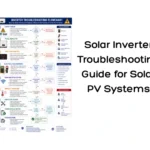
Solar Inverter Troubleshooting Guide for Solar PV Systems
A complete guide to troubleshooting charge controllers in solar PV systems, including fault diagnosis, electrical testing, error identification, and corrective maintenance for reliable system performance.
पीएम सूर्य घर योजना 2025 – मुफ्त बिजली पाने के लिए ऐसे करें आवेदन
पीएम सूर्य घर योजना ऑनलाइन आवेदन 2025: मुफ्त बिजली पाने की आसान स्टेप-बाय-स्टेप प्रक्रिया यहाँ पढ़ें।

Sustainable Solar Panel Disposal: Recycling for a Greener Future
Sustainable solar panel disposal ensures old or damaged panels are recycled responsibly, reducing waste and environmental harm. By adopting eco-friendly recycling and reuse practices, we can recover valuable materials, lower carbon impact, and make solar energy truly sustainable from installation to end-of-life.
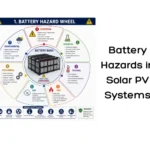
Solar Battery Hazard Prevention Guide
A complete guide to identifying battery hazards in solar PV systems and following effective prevention and safe handling practices.
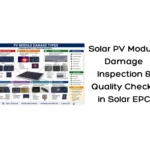
Solar PV Module Damage Inspection & Quality Checks in Solar EPC
A practical solar panel unpacking guide covering safe handling, on-site precautions, and key do’s and don’ts to avoid module damage.

New Loan Scheme for solar rooftop projects by IREDA
Solar installation for petrol pumps offers huge savings and energy independence. This 2025 guide explains system cost, subsidy, ROI, and installation process.
How the RESCO Model Works in Solar: A Complete Guide for Industries
The RESCO model allows businesses to adopt solar with zero upfront investment. Under this model, a developer installs, owns, and operates the solar plant while you simply pay for the power you consume—making clean energy both affordable and hassle-free.