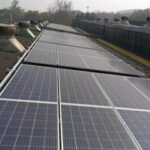
As electricity costs continue to rise, many businesses are exploring commercial solar PPA providers as a practical and financially efficient way to adopt renewable energy. A Solar Power Purchase Agreement (PPA) allows commercial and industrial consumers to install solar systems without heavy capital expenditure while enjoying long-term electricity savings.
Instead of purchasing a solar plant outright, organizations partner with a solar PPA company that designs, installs, owns, and maintains the solar system, while the business simply pays for the electricity generated at a pre-agreed tariff.
What Is a Commercial Solar PPA?
A Commercial Solar PPA model is a third-party financing arrangement where a solar energy provider invests in the entire solar power plant installation. The commercial entity signs a long-term agreement, typically 15–25 years, to purchase solar electricity at a fixed or escalating rate that is usually lower than grid tariffs.
This model is widely used by:
- Office complexes
- Shopping malls and retail chains
- Warehouses and logistics hubs
- IT parks and corporate campuses
- Hotels and hospitals
- Manufacturing and processing units
Role of Commercial Solar PPA Providers
A reliable solar PPA provider in India manages the complete lifecycle of the solar project, including:
- Site assessment and energy audit
- Engineering and system design
- Procurement of solar panels and inverters
- Installation and commissioning
- Grid connectivity and approvals
- Ongoing operation and maintenance
- Performance monitoring and reporting
Businesses benefit from clean energy without worrying about technical or financial risks.
How Commercial Solar PPA Works
1. Energy Consumption Analysis
Understanding the building’s load profile.
2. System Design & Proposal
Capacity planning based on roof or land availability.
3. PPA Agreement Signing
Tariff, tenure, and escalation terms are finalized.
4. Installation & Commissioning
Solar panels, inverters, and monitoring systems are installed.
5. Electricity Purchase
The consumer pays only for solar units consumed.
6. Maintenance & Monitoring
The provider ensures consistent performance.
This structure makes solar adoption simple and risk-free for commercial establishments.
Benefits of Choosing Commercial Solar PPA Providers
1. Zero Upfront Investment
Businesses can transition to solar energy solutions without capital expenditure.
2. Immediate Electricity Savings
Solar tariffs are often lower than conventional grid rates from day one.
3. No Maintenance Responsibility
The solar EPC and PPA provider handles servicing, cleaning, and monitoring.
4. Long-Term Tariff Stability
Fixed or pre-defined escalation protects against fluctuating power costs.
5. Sustainability & ESG Compliance
Using renewable energy systems enhances brand image and environmental responsibility.
Key Factors When Selecting a Commercial Solar PPA Provider
- Proven track record in commercial solar installations
- Use of Tier-1 solar panels and high-efficiency inverters
- Strong financial backing and project portfolio
- Transparent tariff and escalation terms
- Dedicated O&M and remote monitoring support
- Regulatory and net-metering expertise
A dependable provider ensures consistent solar electricity generation and long-term reliability.
Commercial Solar PPA vs CAPEX Solar Model
Parameter | Solar PPA Model | CAPEX Solar Model |
Upfront Cost | Nil | High |
Ownership | Provider | Consumer |
Maintenance | Provider | Consumer/AMC |
Savings | Immediate – Moderate | Maximum Long-term |
Risk | Provider | Consumer |
Businesses with limited capital often prefer commercial solar PPA solutions, while asset-focused organizations may opt for CAPEX.
Industries & Commercial Spaces Ideal for Solar PPA
- Corporate offices and tech parks
- Retail outlets and malls
- Hotels and hospitality chains
- Educational institutions
- Hospitals and healthcare centers
- Warehouses and distribution hubs
These establishments typically have consistent daytime electricity consumption, making solar power purchase agreements highly effective.
Technology Used by Modern Solar PPA Providers
Leading commercial solar companies deploy:
- High-efficiency mono-crystalline solar panels
- MPPT-based string inverters
- Advanced SCADA and remote monitoring tools
- Smart energy analytics dashboards
- Safety and surge protection systems
These technologies ensure a better solar performance ratio and optimal long-term output.
Why Commercial Solar PPA Is Making Solar Energy Economical
Declining solar panel costs, improved financing models, and strong EPC capabilities are making solar energy economical for commercial establishments. With no upfront investment and predictable electricity pricing, PPAs are accelerating solar adoption across India’s business landscape.
Conclusion
Commercial Solar PPA Providers play a crucial role in enabling businesses to switch to clean energy without financial strain. By handling design, investment, installation, and maintenance, these providers allow organizations to focus on operations while enjoying lower electricity costs and sustainability benefits. For companies aiming to reduce operational expenses and carbon footprint, partnering with a trusted solar PPA company is a smart and future-ready decision.
FAQs
Q1. What is a commercial solar PPA?
Ans: It is an agreement where a provider installs solar and the business pays only for electricity generated.
Q2. Do commercial PPAs require upfront payment?
Ans: No, most PPAs are zero-investment models.
Q3. How long does a solar PPA agreement last?
Ans: Typically between 15-25 years.
Q4. Who owns the solar plant in a PPA model?
Ans: The solar PPA provider owns and maintains the system.
Q5. Is electricity cheaper under a solar PPA?
Ans: Yes, tariffs are usually lower than grid power.