AVANCIS Pushes CIGS Thin-Film Solar Modules Beyond 20% Efficiency
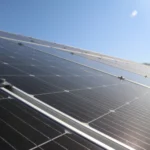
A team of researchers from AVANCIS, a solar module manufacturer in Munich, Germany, has broken the 20% efficiency barrier for CIGS thin-film modules measuring 30 cm x 30 cm. The previous record, also set by AVANCIS, was 19.8%. The new efficiency of 20.3% was independently certified by the National Renewable Energy Lab.
The company’s researchers made essential improvements to the materials used in the solar panels, including optimizing a material called Ga-rich Cu (In, Ga) (S, Se)2 through a special chemical process. They also treated the material with sodium after it was deposited and used a special zinc-based buffer that did not contain cadmium.
The advancements in the manufacturing process can be applied to AVANCIS’ ongoing product series, which means they can make more solar panels with these improvements. The company said these large solar panels give architects much freedom to design solar facades. Its color technology allows the panels to have dynamic colors, creating an interplay of light and color in architectural designs.
In March, Midsummer, a Swedish developer, in collaboration with researchers at the University of California, Los Angeles, developed a four-terminal perovskite-CIGS tandem solar cell that has demonstrated an efficiency of 24.9%. This is the highest efficiency ever achieved for a CIGS solar cell.
The development of more efficient CIGS solar cells is a major step forward for the solar industry. CIGS solar cells are thin, flexible, and lightweight, making them ideal for a variety of applications, including building-integrated photovoltaics (BIPV) and rooftop solar systems. The higher efficiency of these new cells will make them more cost-competitive with other types of solar cells, such as crystalline silicon cells. This could help to accelerate the adoption of solar energy and contribute to a cleaner, more sustainable future.
Suggested Articles

Haryana and UP Face Delays in Solar Net Metering Approvals
Net metering for rooftop solar in Haryana and Uttar Pradesh faces procedural delays, affecting solar adoption and efficiency for residential and commercial consumers
China’s Solar Industry Poised for Continued Growth in 2023 and Beyond
China’s solar industry is set for continued growth in 2023 and beyond, driving global renewable energy expansion and technological advancements.
India’s Solar Capacity Growth Slows Down in Q1 2023
India’s solar capacity growth slowed in Q1 2023. Explore the factors behind the slowdown and its impact on the country’s renewable energy progress.

Stop Losing Power: The Ultimate Guide to Solar DC & AC Cable Sizing for Max Efficiency
DC and AC cabling are the lifelines of any Solar PV Rooftop System. Learn how proper cable selection, connection design, and installation can help achieve optimum power output and long-term safety.

US Lawmakers Approve Tariffs on Solar Imports from Southeast Asia
US lawmakers vote to restore tariffs on solar imports from Southeast Asia, affecting pricing, supply, and the solar industry landscape.

UPNEDA Solar Subsidy 2025: How to Maximize Savings on Rooftop Solar
Discover how the UPNEDA Solar Subsidy 2025 can help you cut electricity costs and make rooftop solar more affordable. Learn about eligibility, subsidy rates, and the step-by-step application process.

Benefits of Solar Energy: Why Switching to Solar Makes Sense
Switching to solar energy offers numerous benefits, from lowering electricity bills to reducing your carbon footprint. This guide explores how solar power supports sustainable living, provides cost savings, and creates a cleaner environment for homes, businesses, and industries. Learn why adopting solar energy is not just smart, but essential for a greener future.

Steps for Conducting a Load Assessment Before Solar Installation and Its Requirements
Load assessment is an essential step before installing a solar PV system. It helps determine electricity consumption and ensures accurate system sizing for optimal solar performance.