
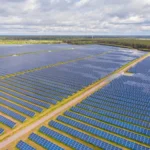
Solar PV AC or DC: How Solar Electricity Is Generated
Total solar PV power represents the combined power output of a solar photovoltaic system. This guide explains its meaning, calculation, and how it directly impacts solar performance, efficiency, and long-term energy generation.

MPPT and PWM: Which Solar Charge Controller Is Better?
MPPT and PWM are the two most common solar charge controllers. This guide explains MPPT and PWM differences, efficiency, cost, and usage.
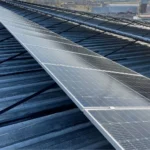
UPNEDA Solar Subsidy 2025: How to Maximize Savings on Rooftop Solar
Discover how the UPNEDA Solar Subsidy 2025 can help you cut electricity costs and make rooftop solar more affordable. Learn about eligibility, subsidy rates, and the step-by-step application process.
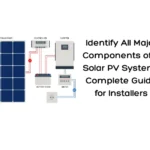
How to Prepare a Bill of Material (BOM) for Solar PV Systems: Step-by-Step Installer Guide
Learn how to prepare a detailed Bill of Material (BOM) for solar PV systems using design documents like SLDs and layouts. This step-by-step guide helps installers ensure accurate material planning, reduce errors, and improve project execution.
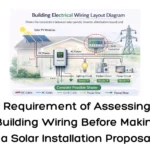
Electrical Wiring Requirements Before Installing a Solar Power System
Before designing a solar power system, assessing the building’s electrical wiring is essential. Proper inspection ensures the wiring can safely handle solar power integration, prevents electrical risks, and improves overall system efficiency.
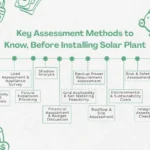
How to Assess Customer Requirements Before Solar Installation
Understanding customer requirements is essential before installing a solar plant. This guide explains key assessment methods such as energy analysis, site survey, and feasibility evaluation.

Steps for Conducting a Load Assessment Before Solar Installation and Its Requirements
Load assessment is an essential step before installing a solar PV system. It helps determine electricity consumption and ensures accurate system sizing for optimal solar performance.
Solar Energy for Industries Explained: Everything You Need to Know
Solar energy can greatly benefit industrial and factory owners as they require a constant and substantial source of electricity 24/7.