

Top Industrial Solar EPC: How to Choose the Right Solar EPC Company for Industries in India
Choosing the right industrial solar EPC is critical for plant performance and ROI. This guide explains how Indian industries can select the best solar EPC partner.
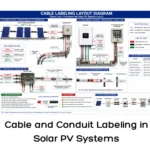
Cable and Conduit Labeling in Solar PV Systems
A complete guide to cable termination in solar installations, including tools, step-by-step methods, and best practices for safe connections.

Steps Required for Conducting a Site Assessment Prior to Solar Installation
A solar site assessment helps installers evaluate location, shading, structure, and energy requirements before installation. This guide explains the essential steps for accurate solar system planning.

Everything You Need to Know About Solar System Earthing
Power factor after solar installation often fluctuates due to system design and load patterns. Learn the key causes, challenges, and solutions for better efficiency.

India’s Renewable Energy Revolution: The Role of Agrivoltaics
Agrivoltaics, the integration of solar panels with agricultural land, is emerging as a key driver in India’s renewable energy revolution. This blog explains how agrivoltaics supports sustainable farming, increases land efficiency, and contributes to clean energy production, helping India meet its solar energy targets while boosting rural economies.

Solar Rooftop Projects: Benefits of Intentional Islanding for Power Backup
Discover the role of intentional islanding in solar rooftop projects. Ensure continuous power supply, system safety, and reliable energy even during grid failures.
Complete Guide to Rooftop Solar Components for Industries
A rooftop solar system for factories typically includes solar panels, inverters, mounting structures, wiring, and monitoring systems. Additional components like net meters and energy storage may also be installed to optimize energy usage and track performance

Cut Factory Electricity Bills with Solar Energy: Smart Power Saving Guide for Industries in India
Discover how solar energy helps factories in India reduce electricity bills, improve ROI, and achieve long-term industrial power savings.