
When installing a solar system, most people focus on solar panels and batteries. But the inverter, especially its MPPT feature, plays a major role in how efficiently your system works. MPPT helps your inverter extract the maximum possible power from solar panels, even when sunlight conditions change.
In this blog, we explain how MPPT works inside an inverter, why it matters, and how it improves solar electricity generation while keeping the total cost of solar installation optimized.
What Is MPPT in a Solar Inverter?
MPPT stands for Maximum Power Point Tracking. It is an intelligent control technology built into modern solar inverters.
Solar panels do not produce constant voltage or current. Their output changes due to:
- Sunlight intensity
- Temperature
- Panel angle
- Shading
MPPT continuously adjusts the operating point so the inverter always receives power at the highest efficiency level, improving overall solar energy output.
Why MPPT Is Needed in an Inverter
Solar panels generate DC electricity, but not at a fixed voltage. Without MPPT, a large portion of energy gets wasted.
MPPT helps the inverter:
- Match panel voltage with inverter requirements
- Reduce power losses
- Increase daily energy yield
- Improve ROI
This is especially important when calculating solar installation cost per kWh and planning long-term savings.
How MPPT Works Step-by-Step in an Inverter
Step 1: Monitoring Solar Panel Output
The MPPT controller inside the inverter continuously measures:
- Panel voltage
- Panel current
- Power output
These values change throughout the day depending on sunlight and temperature.
Step 2: Finding the Maximum Power Point
Every solar panel has a unique point where:

MPPT algorithms keep scanning to locate this point. When conditions change, the inverter recalculates and shifts accordingly.
Step 3: Adjusting Voltage & Current
Once the maximum power point is identified, MPPT adjusts:
- DC input voltage
- Current flow
This ensures the inverter extracts the maximum possible solar electricity, even during cloudy conditions or partial shading.
Step 4: DC to AC Conversion
After optimizing the DC input using MPPT, the inverter converts it into AC power suitable for home or commercial use.
This improves the real-world performance of solar panel in rooftop systems and large plants alike.
MPPT vs Non-MPPT Inverters
Feature | MPPT Inverter | Non-MPPT Inverter |
Energy extraction | High | Low |
Performance in sunlight | Excellent | Poor |
Effiiciency | 95-99% | 70-80% |
Suitability | Modern systems | Outdated setups |
MPPT inverters significantly improve performance without increasing solar roof installation cost.
How MPPT Improves Solar System Performance
MPPT helps:
- Increase daily units generated
- Reduce dependency on grid power
- Improve battery charging efficiency
- Lower cost of solar per kWh installed
This makes MPPT essential for both Solar energy for home use and commercial plants.
Single MPPT vs Multiple MPPT in Inverters
Single MPPT
- Suitable for simple rooftop layouts
- Works best when all panels face the same direction
Multiple MPPT
- Ideal for complex rooftops
- Handles panels in different orientations
- Reduces losses due to shading
Modern systems prefer multi-MPPT inverters for better output with minimal increase in solar panel system cost.
Impact of MPPT on Solar Installation Cost
While MPPT inverters may cost slightly more initially, they:
- Generate more energy
- Reduce payback time
- Increase lifetime savings
This helps balance solar module price per watt and improves the overall economics of renewable energy technology.
Is MPPT Important for Battery-Based Systems?
Yes. MPPT plays a critical role in:
- Faster battery charging
- Reduced battery stress
- Longer battery life
This is especially useful in hybrid systems where solar, grid, and battery work together.
Conclusion: MPPT Is the Brain of a Solar Inverter
MPPT is not just a feature; it is the core intelligence of a solar inverter. By continuously adjusting voltage and current, MPPT ensures maximum energy extraction from solar panels under all conditions.
Whether you are planning a small rooftop system or a large solar plant, choosing an inverter with MPPT helps make solar energy economical, reliable, and efficient for years to come.
At Smart Roof Solar, we design systems using advanced MPPT-based inverters to deliver optimal performance and faster returns on investment.
FAQs
Q1. Can MPPT compensate for dusty or aging solar panels?
Ans: MPPT helps reduce losses but cannot fully recover power lost due to heavy dirt or panel degradation.
Q2. Can MPPT function without batteries in grid-tied systems?
Ans: Yes, MPPT works independently of batteries and is fully effective in grid-connected systems.
Q3. How fast does MPPT adjust to changing conditions?
Ans: Most modern MPPT algorithms adjust within milliseconds to maintain optimal power output.
Q4. Can MPPT improve performance in winter?
Ans: Yes, colder temperatures actually help panels operate more efficiently, which MPPT utilizes effectively.
Q5. Can MPPT work with bifacial solar panels?
Ans: Yes, MPPT efficiently handles variable inputs from bifacial panels just like standard modules.
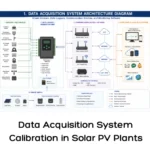
Data Acquisition System Calibration in Solar PV Plants
A complete guide to solar PV data acquisition system calibration, ensuring accurate monitoring, reliable data collection, and effective performance analysis.

Solar Energy for Petrol Pumps: Benefits, Savings, and Implementation
Petrol pumps can significantly reduce energy costs and carbon footprint by adopting solar power. This guide explains the benefits, types of solar installations, and how fuel stations can leverage renewable energy for sustainable and efficient operations.
Solar PV System Labeling Verification Guide
A complete guide to solar PV system labeling verification, ensuring compliance, safety, proper equipment identification, and efficient maintenance.

Are Solar Panels 12V or 24V? Understanding Solar Panel Voltage Clearly
Solar panel wattage and ratings decide how much electricity you generate. This guide explains panel output, efficiency, and how to choose the right solar panel for your needs.
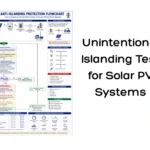
Unintentional Islanding Test for Solar PV Systems
A complete guide to performing the solar PV anti-islanding test, ensuring safe grid-connected operation, regulatory compliance, and reliable inverter performance.

Fire Hazard in a Solar Setup at Rice Mill, Kaithal – Case Study and Safety Insights
A recent fire incident at a rice mill in Kaithal highlights the critical importance of safety in solar installations. This case study analyzes the root causes, system faults, and preventive actions that can help industries avoid similar hazards in their solar setups.
Stop Losing Power: The Ultimate Guide to Solar DC & AC Cable Sizing for Max Efficiency
DC and AC cabling are the lifelines of any Solar PV Rooftop System. Learn how proper cable selection, connection design, and installation can help achieve optimum power output and long-term safety.

Net Metering and its Advantages
Net Metering allows solar panel owners to feed excess electricity back to the grid and earn credits, reducing energy bills. Learn the key advantages of net metering for homes and businesses.