Group Net Metering for Solar Projects: A Smart Way to Maximize Solar Energy Generation
Group Net Metering Case Study
The Sri Aurobindo International Centre of Education (SAICE) of the Aurobindo Ashram in Puducherry is perhaps the first educational institution to become self-reliant by meeting all its energy requirements through solar energy.
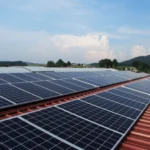
Grid-tied solar power plants have been installed on the rooftop of the Centre of Education building, Salle d’Art, Library and the Dining Hall with a cumulative capacity of around 130 kW. Subsequently, these rooftop power plants produce over 16,000 units of electricity per month.
The four buildings altogether themselves consume less than half of the electricity generated. Excess electricity is exported to compensate for the electricity consumed by other Ashram buildings. Thereby avoiding transmission and distribution losses.
Group Net Metering
The Ashram did not avail any Government capital subsidy and instead opted for the Group Net Metering facility. A unique feature of the Solar Energy Regulations of December 2014 by the Joint Electricity Regulatory Commission (JERC) for Goa and Union Territories. These Regulations provide for the surplus solar energy produced by a consumer to be adjusted in the electricity bill of another service connection (Group Net Metering) of the consumer within the State or Union Territory.
This provision facilitates optimal usage of rooftops that are suitable for solar energy in cities where land availability is limited. The performance of the four solar power plants is being tracked online using a remote monitoring system called Wattmon developed in Auroville.
The Wattmon system also monitors voltage, current, power output, solar inverter efficiency, cumulative electricity produced at any time of the day.
Suggested Articles

Series Connection of PV Modules – Effect on Voltage and Current
Connecting PV modules in series is a common practice in solar installations. This guide explains how series connections affect voltage and current and why they are used in solar PV systems.

How Solar Energy Is Converted into Electricity Using Solar Panels – Complete Guide
Solar panels convert sunlight into usable electricity through the photovoltaic effect. From photon absorption to inverter conversion and grid connection, each component plays a critical role in solar power generation. This complete guide explains the step-by-step process of how solar energy becomes electricity for homes, businesses, and industries, helping you understand the technology behind India’s growing renewable energy movement.

Haryana and UP Face Delays in Solar Net Metering Approvals
Net metering for rooftop solar in Haryana and Uttar Pradesh faces procedural delays, affecting solar adoption and efficiency for residential and commercial consumers

Solar Rooftop Projects: Benefits of Intentional Islanding for Power Backup
Discover the role of intentional islanding in solar rooftop projects. Ensure continuous power supply, system safety, and reliable energy even during grid failures.

Breakthrough in Solar Technology: 33.2% Efficient Perovskite-Silicon Cell
Scientists achieve a breakthrough in solar technology with a perovskite-silicon tandem cell reaching a record 33.2% efficiency for higher energy output.

Should You Replace Solar Panels with Solar Shingles?
Discover how solar batteries store excess energy, maximize your solar system’s efficiency, and provide reliable power during outages. Learn about the types, benefits, lifespan, and maintenance tips to make the most of your solar investment.

How to Prepare a Bill of Material (BOM) for Solar PV Systems: Step-by-Step Installer Guide
Learn how to prepare a detailed Bill of Material (BOM) for solar PV systems using design documents like SLDs and layouts. This step-by-step guide helps installers ensure accurate material planning, reduce errors, and improve project execution.

Complete Guide to Rooftop Solar Components for Industries
A rooftop solar system for factories typically includes solar panels, inverters, mounting structures, wiring, and monitoring systems. Additional components like net meters and energy storage may also be installed to optimize energy usage and track performance