Solar String Sizing Check: Did Your Installer Get It Right?
A Solar PV Rooftop system will give its optimum performance only when the string sizing has been done correctly. In this blog, we will be talking on correct methods of string sizing.
Now let us first understand what a String is. When we connect Solar PV panels, used in solar power plant for generating solar energy for home/industrial/commercial roof top or ground mounted, in series, then it is called a String. String sizing means, what should be the minimum and maximum number of Solar PV panels to be connected in a string, so that system operates at its highest efficiency.
Output parameters of Solar PV panel , used in solar power plant for generating solar energy for home/industrial/commercial roof top or ground mounted ,should match the input parameters of the Inverter, so that the system works at its highest efficiency. If the parameters do not match, or falls out of the range, the system will shut down or will work with very less efficiency. Hence, String sizing must be done correctly.
Parameters of Solar PV vary with change in temperature. With increase in temperature the voltage of Solar PV panel decreases and this need to be consider while sizing the string. One needs to check the Technical Data Sheet of Solar PV panel (as given by manufacturer) for calculating the effect of temperature on a particular Solar PV Panel and then match that with the Inverter input parameters. Until and unless this is done, we can’t say that the system is designed perfectly and will perform best.
For example, if the strings are not sized considering the temperature factor and inverter input parameters, then there may be situations when the Solar PV Panel parameters will not match the inverter input parameters and the system will shut down or will under perform.
Our string sizing goals should be ::That we make sure never to supply the inverter excess voltage which may kill it—Max string length. Voc adjusted for temp will decide Max string length.
And also to ensure that we always supply enough voltage to inverter to turn it on—minimum string length. Vmp adjusted for temp will decide Min string length.
So you need to ask your installer, did he consider these parameters while string sizing ? Has he actually done string sizing or made a string by just counting the even numbers of PV panels in series?
Keep visiting our website for more such blogs.
Suggested Articles

Haryana Electricity Tariff Hike Impacts All Consumer Categories in 2015-16
Haryana electricity tariffs were increased across all consumer categories in 2015-16, raising power costs for households, industries, and businesses statewide.
Delhi charges one of the highest tariffs for commercial load and industrial – average over Rs 10.00 per kWh
Delhi imposes some of the highest electricity tariffs for commercial and industrial consumers, averaging over ₹10 per kWh, impacting businesses and operating costs
Flat Roof Solar Installation Guide: Design, Mounting Systems & Best Practices
A practical guide to flat roof solar installation covering key design considerations, mounting system types, and best practices for efficient and reliable performance.
Solar PV String Voltage and Current Measurement Guide
A complete guide to DC voltage and current testing for solar PV strings and arrays, ensuring accurate performance verification during commissioning.
Solar Power Output Checks: Dust, Shade & Performance Guide
A complete guide to identifying and preventing factors such as dust, shade, dirt, and debris that interrupt solar power output and reduce PV system efficiency.
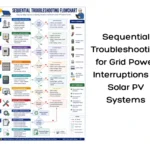
Sequential Troubleshooting for Grid Power Interruptions in Solar PV Systems
A complete guide to sequential troubleshooting in solar PV systems, helping identify and resolve faults during grid power supply interruptions through systematic testing and diagnosis.
What Is Solar Performance Ratio (PR)? Meaning, Formula & Importance
Solar Performance Ratio (PR) is a key indicator of how efficiently a solar power system converts available sunlight into usable electricity. This guide explains what PR is, how it is calculated, why it matters, and how it directly impacts your solar system’s actual energy output.
India’s Solar Capacity Growth Slows Down in Q1 2023
India’s solar capacity growth slowed in Q1 2023. Explore the factors behind the slowdown and its impact on the country’s renewable energy progress.