Complete Guide to Rooftop Solar Components for Industries
Apart from the solar panels, there are a number of components that make the rooftop solar system to be installed at factories and industries.
Rooftop Solar System Components
Solar Inverters
Solar Inverters are the most important component after the solar panels which need to be properly selected and installed for rooftop solar systems. Most industries in Delhi and NCR (Faridabad, Kundali, Panipat, Sonipat, Ghaziabad, Manesar, Noida, Neemrana etc) have opted for strong brand names for the inverters that would include ABB, Huawei, SMA, Delta, Waaree etc.
The Inverters are available with a warranty of 5 years though the extended warranty of another 5 years can be available by paying a bit extra. Quality of Inverters matter significantly in generating higher power from the same level of solar generation provided by the Solar panels. More number of MPPTs (Maximum Power Point Tracker) generally help to increase the reliability of the solar system and provide better generation.
Solar Mounting Structure
The structure for mounting the Solar Panels is an important part of the system. The strength of the structure should be such that they can bear a wind speed of 180 kms per hour. Typically, the structure should be designed and tested on the design software like STAAD.PRO to check their suitability for the given height and weight. As the height of structure increases, the wind pressure increases.
Recently in places like Alwar, many solar panels flew away due to poor quality of structure. Consumers should be careful in selecting the structure as the flying panels can not only damage the system but also can cause serious accidents.
DC Cables
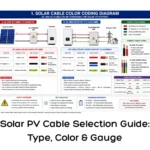
DC cables should be used for interconnecting the solar panels. Practices have been noticed where in the vendors tend to connect the panels by the AC cables which increases the generation losses.
AC Cables
AC cables are cheaper and can help to reduce the capital cost in short term but will be expensive due to mounting losses. Ideally the DC cables should only be utilized to connect the solar panels to the Inverters.
AC cables of right size should be used to connect the Inverters to the AC junction boxes or the LT Panel of Discom. Sizing of the cable is important to reduce the losses.
Solar Earthing
Earthing of the system is important for the safe operations. Earthing strip and wires need to be connected to all the key electrical components.
Lightening Arrestors
Lightening Arrestors (LA) are required to safeguard the system against any weather lightening and should be installed based on the system size.
Generation Monitoring System
Remote monitoring of the generation should be provided to continuously check the health of system.
Water Pipe
Water piping system should ideally be designed to provide the water supply for periodic cleaning of the panels which will help to increase the generation.
Suggested Articles

India and IMT-GT JBC Sign MoU to Boost Energy Efficiency in Southeast Asia
The first meeting of the G20 Energy Transitions Working Group was held in Bengaluru, India, and was a success, with participants sharing a consensus on the priority areas of energy security and diversified supply chains.

1MW Solar Power Plant Construction Cost & Profit in India
Choosing the right industrial solar EPC is critical for plant performance and ROI. This guide explains how Indian industries can select the best solar EPC partner.

Minimum Land Requirement for Solar Power Plants in India
Understanding the land requirement for solar plant projects in India is essential for accurate planning and approvals. This article explains minimum land needed per kW and MW, key influencing factors, and differences between rooftop and ground-mounted solar plants.

How Solar Energy Is Converted into Electricity Using Solar Panels – Complete Guide
Solar panels convert sunlight into usable electricity through the photovoltaic effect. From photon absorption to inverter conversion and grid connection, each component plays a critical role in solar power generation. This complete guide explains the step-by-step process of how solar energy becomes electricity for homes, businesses, and industries, helping you understand the technology behind India’s growing renewable energy movement.

Solar for Manufacturing Units: Cost, Benefits, ROI & Installation in India
A detailed guide on 1 MW solar plant for industry covering installation cost, area requirement, power generation, ROI, and long-term savings in India.

Industrial Solar CAPEX Model in India: Meaning, Investment & Payback
A CAPEX industrial solar system allows Indian industries to own their solar power plant by investing upfront. This guide explains meaning, cost, benefits, and ROI.

How MPPT Works in an Inverter: A Simple Guide for Solar Users
This simple guide explains how MPPT works in a solar inverter, helping users understand how it maximizes power output and improves system efficiency.

Connection in Series and Parallel: Meaning, Differences, Formula & Applications
Understanding the difference between single-phase and three-phase voltage is essential for solar PV installers. While single-phase supply is common in residential systems, three-phase power is widely used in commercial and industrial solar projects. This complete guide explains electrical phase differences, applications in solar installations, and how choosing the right phase connection impacts system efficiency, safety, and performance.