Complete Guide to Rooftop Solar Components for Industries
Apart from the solar panels, there are a number of components that make the rooftop solar system to be installed at factories and industries.
Rooftop Solar System Components
Solar Inverters
Solar Inverters are the most important component after the solar panels which need to be properly selected and installed for rooftop solar systems. Most industries in Delhi and NCR (Faridabad, Kundali, Panipat, Sonipat, Ghaziabad, Manesar, Noida, Neemrana etc) have opted for strong brand names for the inverters that would include ABB, Huawei, SMA, Delta, Waaree etc.
The Inverters are available with a warranty of 5 years though the extended warranty of another 5 years can be available by paying a bit extra. Quality of Inverters matter significantly in generating higher power from the same level of solar generation provided by the Solar panels. More number of MPPTs (Maximum Power Point Tracker) generally help to increase the reliability of the solar system and provide better generation.
Solar Mounting Structure
The structure for mounting the Solar Panels is an important part of the system. The strength of the structure should be such that they can bear a wind speed of 180 kms per hour. Typically, the structure should be designed and tested on the design software like STAAD.PRO to check their suitability for the given height and weight. As the height of structure increases, the wind pressure increases.
Recently in places like Alwar, many solar panels flew away due to poor quality of structure. Consumers should be careful in selecting the structure as the flying panels can not only damage the system but also can cause serious accidents.
DC Cables
DC cables should be used for interconnecting the solar panels. Practices have been noticed where in the vendors tend to connect the panels by the AC cables which increases the generation losses.
AC Cables
AC cables are cheaper and can help to reduce the capital cost in short term but will be expensive due to mounting losses. Ideally the DC cables should only be utilized to connect the solar panels to the Inverters.
AC cables of right size should be used to connect the Inverters to the AC junction boxes or the LT Panel of Discom. Sizing of the cable is important to reduce the losses.
Solar Earthing
Earthing of the system is important for the safe operations. Earthing strip and wires need to be connected to all the key electrical components.
Lightening Arrestors
Lightening Arrestors (LA) are required to safeguard the system against any weather lightening and should be installed based on the system size.
Generation Monitoring System
Remote monitoring of the generation should be provided to continuously check the health of system.
Water Pipe
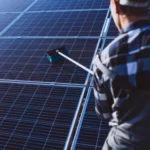
Water piping system should ideally be designed to provide the water supply for periodic cleaning of the panels which will help to increase the generation.
Suggested Articles

Important Factors Deciding the Type of Solar PV System to be Installed
A solar site assessment helps installers evaluate location, shading, structure, and energy requirements before installation. This guide explains the essential steps for accurate solar system planning.

Difference Between Single-Phase and Three-Phase Voltage and Its Use for Solar PV Installer – Complete Guide
Understanding the difference between single-phase and three-phase voltage is essential for solar PV installers. While single-phase supply is common in residential systems, three-phase power is widely used in commercial and industrial solar projects. This complete guide explains electrical phase differences, applications in solar installations, and how choosing the right phase connection impacts system efficiency, safety, and performance.

Electrical Measuring Instruments Every Solar Installer Must Know
Solar installers rely on accurate electrical measurements for safe and efficient system performance. This guide explains the role of voltmeters, ammeters, digital multimeters, and clamp meters in solar installations.

Solar for Food Processing Units: Cost, Benefits, Installation & ROI in India
A complete guide on solar systems for the FMCG industry in India covering installation cost, benefits, ROI, system sizing, and the installation process.

Ground Mounted Solar Systems: Complete Guide for Commercial & Industrial Projects in India
Ground mounted solar systems are ideal for commercial and industrial projects with available land. This guide explains cost, land requirement, installation process, and ROI in India.

Sloped Roof Solar Anchors & Attachments Installation Guide
A step-by-step guide to sloped roof solar anchors installation, covering roof attachments, fixing techniques, and best practices for durable and leak-proof systems.

UP Electricity Tariff Increase 2015-16: Rates Rise by Rs 0.40–1.00 per Unit – What Consumers need to know
Uttar Pradesh has increased electricity tariffs for 2015-16, ranging from Rs 0.40 to 1.00 per unit. This update explains the revised rates, the sectors affected, and what consumers need to know about the tariff hike.

Law Change Makes It Hard to Receive Compensation for Solar Developers
A recent law change creates hurdles for solar developers seeking compensation, impacting project viability.