What Is a Solar Power Generating System? | Complete Guide
Solar Power Generating System
Solar photovoltaic (PV)cells / modules generate electricity from sunlight, which can be fed into the mains electricity supply of a home/industry/building or sold to the public distribution company connected to the grid. This will Reduce the need for generation through fossil fuel technology. More and more solar energy systems on roof top will help create jobs, enabling home/industry/building to save money, and cut greenhouse emissions/ pollution.
PV Modules
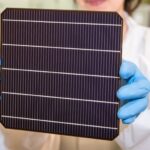
PV modules use semiconductor materials (usually silicon) to generate DC electricity from sunlight. A large area is needed to collect as much sunlight as possible. So the semiconductor is either made into thin, flat, crystalline cells, or deposited as a very thin continuous layer onto a support material, usually glass. The cells are wired together and sealed into a weather proof module, with electrical connectors added.
Modern modules for grid connection usually have between 48 and 72 cells and produce dc voltages of typically 25 to 40 volts, with a rated output of between 150 and 300 Wp solar panels . Then these panels are combined to give a certain voltage and current to be fed to an inverter which will then convert DC to AC electricity to be further used for energy/power needs of a home/industry/commercial building.
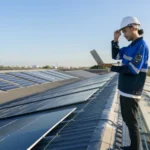
Grid-tied PV systems for producing/generating electricity are installed on the rooftop or ground in or around a building. This can also be taken up at a land that could’nt be used for other purposes like agriculture. Ideally the PV faces towards the equator and the exact direction is critical otherwise there is loss of production of solar energy.
However, it is important to make sure that there is minimal shading of the PV. If the PV electricity production exceeds building demand then the excess can be exported to the grid, and vice versa. With net metering being permitted by govt in almost all states , clients are billed on net of export and import of electricity.
A typical grid connected system rated at 1 kWp requires an area of about 10 m2. However if the roof is slanted tin shed ( mostly industries have slanted roof of tin shed)and south facing then the area required reduces to 7 sq mts.
Suggested Articles

Latest MNRE List: Approved Solar Module Manufacturers
Check the latest MNRE-approved list of solar module manufacturers to ensure quality and compliance for your solar projects in India.

Solar System for FMCG Industry: Cost, Benefits, Installation & ROI in India
A complete guide on solar systems for the FMCG industry in India covering installation cost, benefits, ROI, system sizing, and the installation process.

Difference Between Solar Power and Photovoltaic: Explained Simply
Total solar PV power represents the combined power output of a solar photovoltaic system. This guide explains its meaning, calculation, and how it directly impacts solar performance, efficiency, and long-term energy generation.
AVANCIS Pushes CIGS Thin-Film Solar Modules Beyond 20% Efficiency
AVANCIS achieves a breakthrough in solar technology, pushing CIGS thin-film modules beyond 20% efficiency for higher performance and energy output.

Earthing & Lightning Protection Testing for Solar PV Systems
A complete guide to earthing and lightning protection testing for solar PV systems, ensuring safety, regulatory compliance, and long-term system reliability.

Fixed Structure – Solar Mounting Post Installation Guide
A step-by-step guide to solar mounting post installation for fixed structures, covering alignment, positioning, and best practices for durable solar foundations.

Top Industrial Solar EPC: How to Choose the Right Solar EPC Company for Industries in India
Choosing the right industrial solar EPC is critical for plant performance and ROI. This guide explains how Indian industries can select the best solar EPC partner.

Get a Customized Industrial Solar Quote for Your Manufacturing Unit
Request a customized industrial solar quote in India. Know pricing, savings, payback & EPC scope for your factory solar project.