
Energy is the backbone of modern civilization. From lighting homes and powering industries to running smartphones and transportation systems, electricity plays a crucial role in everyday life. However, traditional energy sources like coal, oil, and natural gas are finite and environmentally harmful. This is where renewable energy becomes essential. Renewable energy offers a cleaner, sustainable, and long-term solution to the world’s growing power demand.
This blog explains what renewable energy is, the different types available, and explores which renewable energy source is considered the best and why.
What Is Renewable Energy?
Renewable energy refers to energy that is generated from natural resources which are continuously replenished and do not run out over time. Unlike fossil fuels, renewable energy sources are naturally restored and have minimal environmental impact when used responsibly.
These energy sources depend on natural processes such as sunlight, wind movement, flowing water, geothermal heat, and organic material decomposition.
Why Is Renewable Energy Important?
The shift toward renewable energy is not just a trend; it is a necessity. The major reasons include:
- Environmental Protection – Reduces greenhouse gas emissions
- Sustainability – Resources are naturally replenished
- Energy Security – Decreases dependence on imported fuels
- Cost Savings Over Time – Lower operational and maintenance costs
- Economic Growth – Creates new job opportunities
- Health Benefits – Less air and water pollution
- Climate Change Mitigation – Slows global warming effects
Types of Renewable Energy Sources
1. Solar Energy
Solar energy is harnessed using solar panels that convert sunlight into electricity. It is widely used for residential, commercial, and industrial power generation.
2. Wind Energy
Wind turbines convert the kinetic energy of moving air into electricity. It is commonly used in coastal and open land areas.
3. Hydropower
Generated by flowing or falling water through turbines. Dams and rivers are major sources of hydroelectric power.
4. Biomass Energy
Produced from organic materials such as agricultural waste, wood pellets, and biofuels.
5. Geothermal Energy
Utilizes heat stored beneath the Earth’s surface to generate electricity or provide heating.
6. Tidal and Wave Energy
Uses ocean currents and wave motion to produce electricity, though it is still developing in many regions.
What Is the Best Source of Renewable Energy?
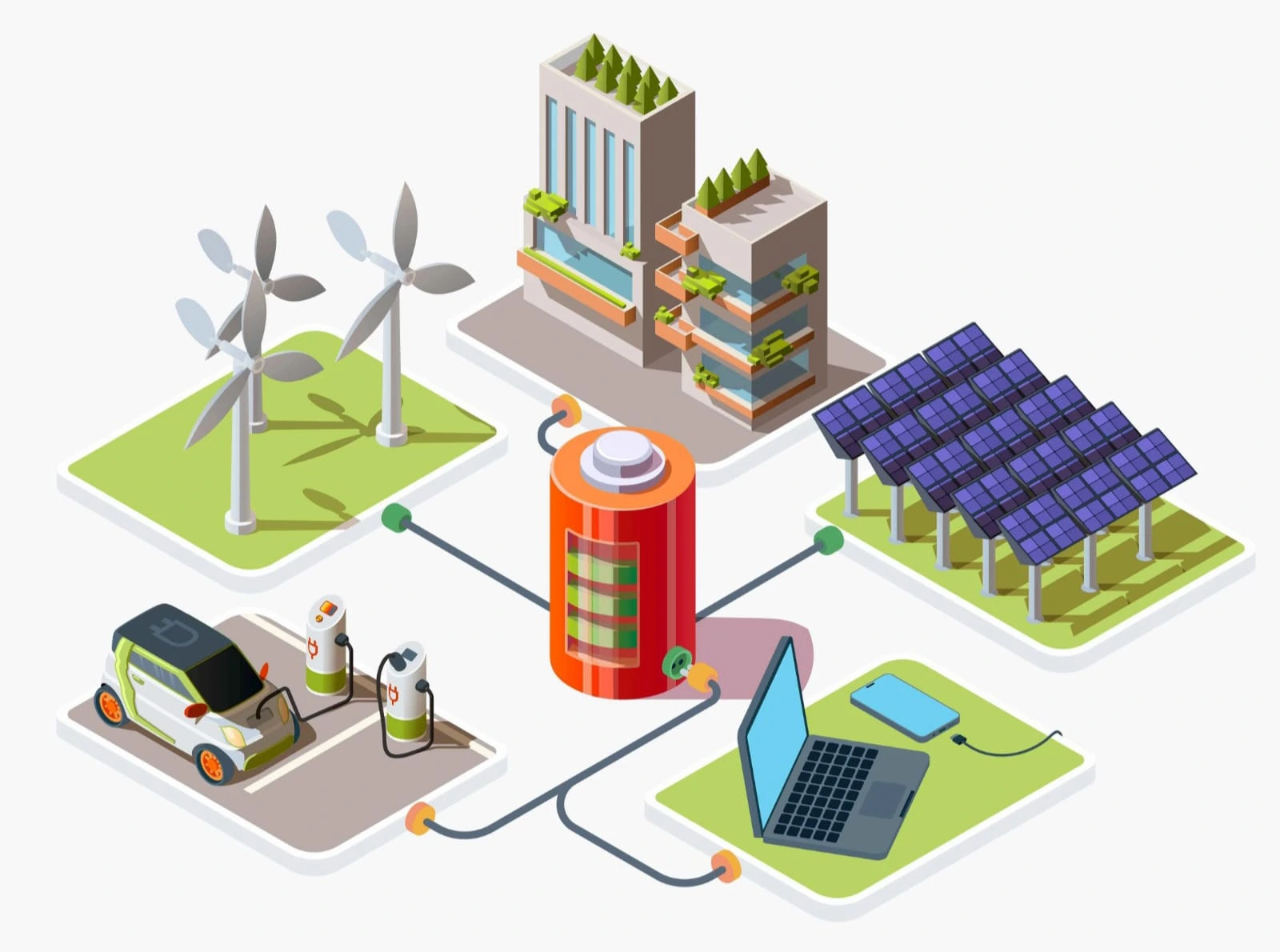
While every renewable energy source has its own advantages, solar energy is widely considered the best renewable energy source for several practical and economic reasons.
Why Solar Energy Is Considered the Best Renewable Source
1. Abundance and Accessibility
Sunlight is available almost everywhere on Earth, especially in tropical and subtropical regions. Unlike wind or hydro, solar energy does not require specific geographic conditions.
2. Scalability
Solar systems can be installed on small rooftops, large industrial sheds, or vast solar farms. This flexibility makes it suitable for both individuals and industries.
3. Low Maintenance
Solar panels require minimal upkeep, mostly periodic cleaning and occasional inspection.
4. Long Lifespan
Most solar panels last 25-30 years, making them a reliable long-term investment.
5. Cost Efficiency Over Time
Although initial installation costs exist, electricity generation afterward is nearly free, resulting in a strong return on investment.
6. Environment-Friendly
Solar energy produces zero direct emissions, reducing air pollution and carbon footprint.
7. Technological Advancements
Rapid innovation has increased solar panel efficiency and reduced manufacturing costs globally.
Comparison of Renewable Energy Sources
Energy Source | Availability | Installation Cost | Maintenance | Environmental Impact | Scalability |
Solar | Very High | Medium | Low | Very Low | Excellent |
Wind | Moderate | High | Medium | Low | Good |
Hydro | Location dependent | High | Medium | Low | Limited |
Biomass | Moderate | Medium | Medium | Moderate | Moderate |
Geothermal | Location dependent | High | Low | Very Low | Limited |
From this comparison, solar energy stands out due to its high availability, scalability, and low maintenance.
Factors to Consider When Choosing a Renewable Energy Source
- Geographic location
- Budget and installation costs
- Energy consumption requirements
- Government incentives and subsidies
- Space availability
- Long-term operational expenses
- Climate conditions
Benefits of Renewable Energy Adoption
- Reduces electricity bills
- Promotes sustainability
- Improves air quality
- Generates employment opportunities
- Enhances energy independence
- Supports global environmental goals
- Encourages innovation and green technology
Conclusion
Renewable energy is the foundation of a sustainable and environmentally responsible future. As the world moves away from fossil fuels, renewable sources provide a practical solution for meeting growing energy demands without harming the planet. Among all renewable options, solar energy emerges as the most versatile, accessible, and cost-effective source due to its abundance, scalability, and minimal maintenance requirements.
While wind, hydro, and geothermal energy each play important roles, solar power’s ability to adapt to both small-scale and large-scale applications makes it the leading renewable energy choice for homes, businesses, and industries alike. Investing in renewable energy today not only reduces electricity costs but also contributes to a cleaner and more secure energy future for generations to come.
FAQs
Q1. What is renewable energy in simple terms?
Ans: Energy derived from natural sources that are continuously replenished.
Q2. Which renewable energy source is cheapest?
Ans: Solar energy is often the most cost-effective over time.
Q3. Is wind energy better than solar energy?
Ans: It depends on location and wind availability.
Q4. Can renewable energy fully replace fossil fuels?
Ans: Yes, with technological advancement and infrastructure expansion.
Q5. What is the cleanest renewable energy source?
Ans: Solar and wind are considered the cleanest.

Environmental Hazards in Solar PV Installations Guide
A complete guide to identifying and mitigating safety hazards in solar PV systems, including risk assessment, hazard control, preventive measures, and workplace safety practices.
Solar Inverter Wire Connection Inspection Guide
A complete guide to inspecting solar inverter wire connections, identifying damaged cables, loose terminals, and ensuring safe, efficient, and reliable solar PV system operation.

Sustainable Solar Panel Disposal: Recycling for a Greener Future
Sustainable solar panel disposal ensures old or damaged panels are recycled responsibly, reducing waste and environmental harm. By adopting eco-friendly recycling and reuse practices, we can recover valuable materials, lower carbon impact, and make solar energy truly sustainable from installation to end-of-life.
Battery Bank Stand & Spill Containment Installation Guide
A complete guide to battery bank stand installation and spill containment, covering setup, safety, and best practices for solar projects.

Rajasthan Rooftop Solar Subsidy: What Homeowners Need to Know
Rajasthan homeowners can save big with the 2025 rooftop solar subsidy. Learn about the updated rates, eligibility criteria, and benefits to make your switch to solar more affordable.
Minimum Land Requirement for Solar Power Plants in India
Understanding the land requirement for solar plant projects in India is essential for accurate planning and approvals. This article explains minimum land needed per kW and MW, key influencing factors, and differences between rooftop and ground-mounted solar plants.

Solar PV Testing Equipment Inspection & Maintenance Guide
A complete guide to solar PV testing equipment inspection and maintenance, ensuring accurate measurements and reliable system performance.
Rooftop Solar for Factories: Cost, Benefits, ROI & Installation Guide in India
Learn how rooftop solar for factories in India lowers power costs with high ROI, faster payback, and long-term energy savings for industrial facilities.