
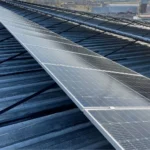
US Lawmakers Approve Tariffs on Solar Imports from Southeast Asia
A committee of the United States House of Representatives has voted to reinstate tariffs on solar imports from four Southeast Asian countries. Committee overturned the Biden administration’s decision to allow more unfair solar imports from China into the U.S.
The Ways and Means Committee said that China was clearly bypassing American tariffs. This was meant to ensure fair competition for American workers by exporting solar products through Cambodia, Malaysia, Thailand, and Vietnam.
It noted that the Department of Commerce had also found that Chinese solar manufacturers were avoiding antidumping and countervailing duties. They assembled solar cells and modules in Southeast Asia before shipping them to the U.S.
“For years, China has been evading American tariffs on solar products by sending them to the United States through Southeast Asia. Thus harming American energy jobs and leaving our supply chain under the control of the Chinese Communist Party,” the committee said. They called the decision to suspend tariffs on solar imports from these countries for two years as misguided.
In January, seven months after President Biden announced a two-year duty exemption on solar modules and cells imported from the four Southeast Asian countries, a bipartisan group of Congressmen had introduced a resolution of disapproval. They were demanding a reversal of the suspension of solar import tariffs.
The Congressional Review Act Resolution on Solar Tariffs stops the Commerce Department from implementing the Final Rule. It affected the proclamation suspending the import tariffs and preventing the issuance of any similar rule.
Last December, the Department of Commerce said that solar cells made in any of the four countries under investigation, even with wafers from China, that are then sent to another country and made into modules or other products, would not count as exports from these four countries.
Industry groups in the U.S. had opposed the investigation arguing that the pipeline projects in the country would be negatively affected, As domestic manufacturing capacity was not able to meet the increasing demand.
The ban on imports of Chinese-made panels has benefited Indian manufacturers. India’s solar module exports witnessed an unprecedented 321% hike year-over-year. Totaling $561.6 million, driven by U.S. demand, accounting for over 95% of the shipments.
Suggested Articles

Solar Radiation on a Tilted Surface: Importance & Impact on Solar Output
Solar radiation on a tilted surface directly affects how much energy a solar panel produces. Learn why tilt angle matters and how it impacts solar output.

Perovskite: Future of Solar Cells
Discover how solar batteries store excess energy, maximize your solar system’s efficiency, and provide reliable power during outages. Learn about the types, benefits, lifespan, and maintenance tips to make the most of your solar investment.

Solar for Metal & Fabrication Units: Cost, Benefits and Installation in India
A practical guide on solar for metal and fabrication units in India covering installation cost, benefits, system options, and the installation process.
Solar Panel Wattage, Output & Ratings: Complete Buyer Guide
Solar panel wattage and ratings decide how much electricity you generate. This guide explains panel output, efficiency, and how to choose the right solar panel for your needs.

Is Your Solar PV Rooftop System Safe & Protected?
Worried about the safety of your solar rooftop system? Explore key tips, maintenance practices, and protection strategies to keep your Solar PV system secure and efficient

Tools to Perform Shading Analysis Prior to Solar Installation
A solar site assessment helps installers evaluate location, shading, structure, and energy requirements before installation. This guide explains the essential steps for accurate solar system planning.

Are Colleges and Schools ready to take up Solar challenge?
Adopting solar energy can help schools and colleges reduce electricity costs and promote sustainability. This guide explores how educational institutions can implement rooftop solar projects, the benefits, and what steps are needed to take on the solar challenge effectively.
Industrial Solar CAPEX Model in India: Meaning, Investment & Payback
A CAPEX industrial solar system allows Indian industries to own their solar power plant by investing upfront. This guide explains meaning, cost, benefits, and ROI.