Affordable Solar Systems and Plants for Small and Medium Enterprises
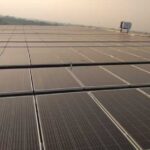
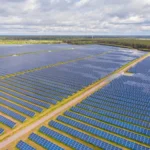
The industries should opt for rooftop solar today as there are a number of commercial advantages apart from environmental benefits. Industries can opt for solar system size ranging from few KWs to few MWs.
Solar Plants for SMEs
Typically, an on grid solar system is preferable which directly connects to the LT panel of the Discom Meter.
- Power generated from solar will directly reduce the electricity bill.
- Any surplus power generated at any time will be fed back to the Grid and stored with the Discom.
- These solar plants run through Net Metering facility provided by the Discom in which the billing and settlement happens at the end of each month. Any surplus power generated from solar plant will be carried forward to the next month. However, if there is any solar plant left unused at the end of the financial year, it will typically lapse.
- Having said that there are very slim chances that the solar power will lapse as the power generated from solar plant will not be more than 30% of the electricity bill for any industry.
As the solar system directly connects to the LT panel, the solar power gets used to run all the heavy machineries, air conditioners, motor loads etc. No batteries are used in such On-Grid systems which means that the solar system will only run when the Discom power is available.
Subsidies for solar plants for SMEs
There are no subsides available for setting up solar system in industries now which were there till 2016 as the cost of solar was high during that time. However, now the solar prices have become very affordable. For example, for the industries located in and nearby Delhi/National Capital Region (NCR) where the solar radiation levels are good, the pay backs of solar will be typically in 3-4 years.
Hence, many industries located in Okhla, Noida, Gurgaon, Faridbad, Ghaziabad, Kundali, Manesar, Neemrana, Palwal, Bawal, Bahadurgarh etc have opted for the rooftop solar plants.
Also, the Accelerated Depreciation (AD) benefit is available for installing solar plants. Factories can depreciate 40% of the solar plant capital cost in the 1st year itself. So, for a company paying 34% income tax, the cost of solar plant reduces by 13.6% in the very first year itself. 40% AD is available on the reducing balance in the next subsequent years.
Suggested Articles
AVANCIS Pushes CIGS Thin-Film Solar Modules Beyond 20% Efficiency
AVANCIS achieves a breakthrough in solar technology, pushing CIGS thin-film modules beyond 20% efficiency for higher performance and energy output.

Understanding Solar Battery Specifications: Capacity, Voltage & Efficiency Explained
Solar batteries are essential for energy storage and backup in PV systems. This guide explains key specifications like capacity, voltage, efficiency, and depth of discharge to help you choose the right battery.

Fixed Structure – Solar Mounting Post Installation Guide
A step-by-step guide to solar mounting post installation for fixed structures, covering alignment, positioning, and best practices for durable solar foundations.

How to Improve Solar Panel Performance for Optimal Energy Output
Performance degradation in solar panels reduces energy output over time. This guide explains how to factor in degradation when calculating annual yields, ensuring accurate estimates for residential, commercial, and industrial solar installations.

Solar Inverter Installation: On-Grid, Off-Grid & Hybrid
A complete guide to on-grid, off-grid, and hybrid solar inverter installation, including setup, wiring, and best practices for safe operation.

Agrovoltaics Innovation: Boosting Solar Energy While Supporting Farming
Explore agrovoltaics innovation: how combining solar energy with farming boosts efficiency, supports agriculture, and maximizes land use.

Latest Solar Mounting Structures: Smarter, Stronger, and More Efficient
Learn how the latest solar mounting structures in 2025 improve efficiency, reduce costs, and power the future of solar installations.

Delhi charges one of the highest tariffs for commercial load and industrial – average over Rs 10.00 per kWh
Delhi imposes some of the highest electricity tariffs for commercial and industrial consumers, averaging over ₹10 per kWh, impacting businesses and operating costs