
When evaluating a solar panel system cost or estimating solar installation charges, one of the most critical factors is the technical performance of the solar PV module. A solar PV module is the heart of any solar plant, and its electrical characteristics directly determine how much solar electricity is generated over the system’s lifetime.
For installers working on solar panel in rooftop projects and large-scale renewable solar systems, understanding module technical parameters is essential for proper system sizing, cost of solar per kWh installed calculation, and ensuring long-term efficiency.
1. Rated Power (Wp – Watt Peak)
What is Rated Power?
Rated power is the maximum output power of a solar PV module under Standard Test Conditions (STC):
- Irradiance: 1000 W/m²
- Temperature: 25°C
- Air mass: 1.5
For example, a 550 Wp module produces 550 watts under ideal laboratory conditions.
Importance
- Determines total system capacity (kW)
- Impacts solar module price per watt
- Influences the total cost of solar installation
Higher watt modules can reduce:
- Mounting structure cost
- DC wiring cost
- Overall solar panel system cost
2. Open Circuit Voltage (Voc)
Definition
Voc is the maximum voltage produced by the module when no load is connected.
Importance for Installers
- Used for string sizing
- Ensures inverter voltage compatibility
- Prevents system overvoltage
Incorrect Voc calculation can increase solar installation charges due to redesign.
Practical Note
- Voc increases in cold temperatures.
- Installers must calculate maximum string voltage during winter.
3. Short Circuit Current (Isc)
Definition
Isc is the maximum current produced when the output terminals are shorted.
Importance
- Used for cable sizing
- Important for the combiner box fuse rating
- Impacts system safety
Higher Isc requires:
- Proper conductor sizing
- Overcurrent protection
Improper calculation increases the cost of solar per kWh installed due to losses.
4. Maximum Power Point (MPP)
Definition
MPP is the point where the module produces maximum power.
Parameters at MPP:
- Vmpp (Voltage at MPP)
- Impp (Current at MPP)
Importance
Inverters use MPPT (Maximum Power Point Tracking) to:
- Optimize solar electricity output
- Improve solar energy installation cost efficiency
- Reduce long-term system losses
5. Module Efficiency (%)
Definition
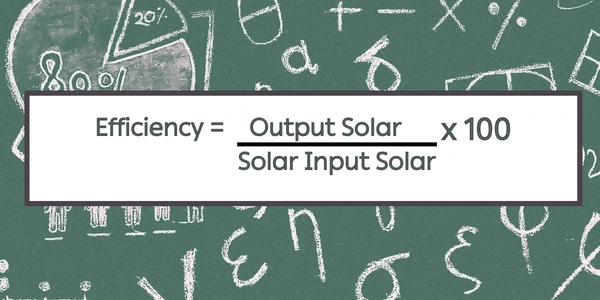
Efficiency is the percentage of sunlight converted into electricity.
Formula:
Importance
Higher efficiency:
- Requires less rooftop area
- Reduces solar panel area per kW
- Lowers home roof solar panels cost per unit area
For urban rooftop systems, efficiency is critical.
6. Temperature Coefficient
Definition
Indicates how much power decreases when the module temperature rises above 25°C.
Example: -0.35% per °C
Importance
In Indian climates:
- Module temperature can reach 60–70°C
- Power output decreases significantly
Installers must account for this to estimate realistic solar electricity production.
7. Fill Factor (FF)
Definition
Fill factor measures the “quality” of a solar cell.
Formula:

Higher fill factor indicates:
- Better cell quality
- Improved renewable energy technology performance
8. Degradation Rate
Definition
Annual reduction in module output.
Typical:
- 0.5% per year
Importance
Affects:
- Long-term solar panel system cost
- Solar installation cost per kWh
- Payback period
Lower degradation means:
- Better smart solar panel price justification
- Improved lifetime performance
9. Module Tolerance
- Indicates allowed variation from rated power.
Example: +5W / -0W
- Positive tolerance ensures minimum guaranteed performance.
Important for:
- Accurate solar plant sizing
- Cost prediction under the government solar subsidy scheme
Performance Under Real Conditions
Actual performance depends on:
- Irradiance
- Temperature
- Shading
- Tilt angle
- Dust accumulation
Understanding these ensures:
- Lower average cost of solar panels on a house (per unit output)
- Better renewable energy and solar energy utilization
Practical Application for Solar Installers
Knowledge of module technical parameters helps in:
- Accurate system design
- Optimizing solar installation charges
- Reducing the total cost of solar installation
- Improving the cost of solar per kWh installed
- Selecting modules under subsidised solar panels for home projects
Professional installers must always refer to module datasheets before recommending a solar plant configuration.
Conclusion
Understanding the technical parameters and performance characteristics of a solar PV module is essential for designing efficient, reliable, and economically viable solar energy systems. From rated power and efficiency to temperature coefficient and degradation rate, each parameter influences solar electricity generation, solar panel system cost, and the long-term cost of solar per kWh installed.
Technical expertise in module evaluation is a fundamental skill for every installer working in the renewable solar and renewable energy technology sectors.
By mastering these parameters, installers can optimize solar energy installation cost, enhance smart solar panel price positioning, and ensure better solar energy for home use performance, ultimately strengthening the adoption of sustainable solar plant systems across residential and commercial applications.
FAQs
Q1. Which technical parameter is most important in a solar PV module?
Ans: Rated power, efficiency, temperature coefficient, and MPP parameters are most critical for system design.
Q2. Does higher efficiency reduce solar energy installation cost?
Ans: Yes. Higher efficiency reduces required panel area, potentially lowering mounting and installation costs.
Q3. How does degradation affect solar panel system cost?
Ans: Higher degradation increases the cost of solar per kWh installed over time due to reduced output.
Q4. Why is the temperature coefficient important in India?
Ans: High ambient temperatures reduce module output, affecting solar electricity generation and performance.
Q5. Are these parameters important under the government solar subsidy scheme?
Ans: Yes. Proper module selection ensures compliance and performance under subsidised solar panels for home initiatives.

How to Inspect and Maintain Solar Arrays
A complete guide to solar array inspection and maintenance, helping improve system reliability, energy output, and long-term performance through routine inspections and preventive care.

New Loan Scheme for solar rooftop projects by IREDA
Solar installation for petrol pumps offers huge savings and energy independence. This 2025 guide explains system cost, subsidy, ROI, and installation process.
Rooftop Solar for Factories: Maximum kW You Can Install
Industrial rooftop solar guide: Understand KW capacity limits, installation guidelines, and best practices for factories and manufacturing units
Why Industrial Solar Plants Underperform
Understand what happens when an industrial solar plant underperforms, how it affects energy generation and cost savings, and how monitoring, diagnostics, and preventive maintenance can improve performance.
Solar Panel Sizes and Features in Delhi/NCR: A Complete Guide
Planning to install solar panels in Delhi/NCR? Explore the different sizes, technologies, and key features of solar panels available for residential, industrial, and commercial use. Learn how to choose the right one for your energy needs and roof space.

How to Assess Customer Requirements Before Solar Installation
Understanding customer requirements is essential before installing a solar plant. This guide explains key assessment methods such as energy analysis, site survey, and feasibility evaluation.

How to Prepare Battery Terminals and Install Interconnection Cables
Proper battery terminal preparation and cable installation are essential for safe and efficient battery bank operation. This guide explains the complete installation process for solar projects.

Rajasthan Rooftop Solar Subsidy: What Homeowners Need to Know
Rajasthan homeowners can save big with the 2025 rooftop solar subsidy. Learn about the updated rates, eligibility criteria, and benefits to make your switch to solar more affordable.