
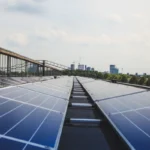
Industrial Solar Power: 7 Reasons to Make the Switch
Today, many businesses are going solar and if you are considering going solar too, then you have come to the right place. This article discusses the benefits of using solar power in the industrial sector. Not only will you play your part in making the planet greener but also enjoy several benefits that perhaps were unknown to you.
Offset your electricity bills
Industries and factories have a high-power demand. From lights to heavy machines, a business whether small or large consumes a lot of electricity. The best way to cut down your electricity bill is to invest in solar energy. Using solar power will reduce your dependency on utility-provided electricity resulting in a reduced electricity bill.
Secure Investment
The fluctuation in electricity prices in India is one of the major factors why people are opting for solar energy. Once the initial cost of your solar power system gets covered, your business will start generating electricity for free. Once you become an energy-producing business, you will protect yourself from any increase in the cost of power. Moreover, if you have enough rooftop solar panels, you can earn money by selling the surplus electricity back to the grid.
Renewable Energy
Due to its geographical location, India receives an ample amount of sunlight and therefore, has tremendous scope for generating solar energy. Being an inexhaustible source of energy, solar energy is the best replacement for other non-renewable energies like fossil fuels in India. While fossil fuels have a damaging effect on our environment and are responsible for global warming, solar energy is renewable and does not cause harm to the environment.
Increase your brand value
Sometimes it can be difficult to attract customers and clients to your business. But don’t worry. With the rise in the number of people going eco-conscious, switching to renewable energy alternatives might be an effective marketing strategy. Nowadays, renewable energy alternatives are on-trend in sustainability practices. By supporting renewable and clean energy, you create a positive image of your brand in the eyes of your customers, shareholders, and society.
Low Maintenance Costs
Solar energy panels do not require a lot of maintenance. All you need to do is keep them clean. There are no moving parts, so there will be no wear and tear. All that needs to be changed are the inverter, wires, and cables, and that too after 5-10 years. This is to ensure that your solar power system works at maximum efficiency. Therefore, once the initial cost of the solar panels is covered, there is a minimal amount you need to spend on their maintenance.
Increase your property value
Installing solar panels on your roof will increase your property’s value. Whether selling or renting your property with solar panel installation, you can ask for a higher cost in return and also make the deal quicker than the same property without the solar panel installation.
Reduce your Carbon Footprint
Unlike conventional energy resources, solar poses no threat to the environment. Since solar energy does not pollute the environment or emit any greenhouse gases, the solar rooftop model helps you reduce your carbon footprint. It is an ideal source of energy that can help to combat climate change as well.
The idea of going solar energy is an option now but will become a compulsion in the future when the non-renewable sources of energy get exhausted. Also, if switching to solar energy is advantageous to your business in so many ways, then why not invest in it? Moreover, by choosing solar, you become a responsible citizen who will help the country achieve its renewable energy targets.
Suggested Articles

Why Solar Energy Makes Sense for the Healthcare Industry
Explore how the healthcare industry can leverage solar energy to reduce electricity bills, enhance reliability, and support green initiatives.
Agrovoltaics Innovation: Boosting Solar Energy While Supporting Farming
Explore agrovoltaics innovation: how combining solar energy with farming boosts efficiency, supports agriculture, and maximizes land use.
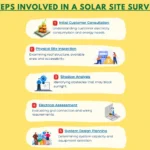
Benefits of Site Survey in Solar PV Installation
Shadow analysis is a critical step in solar site assessment. It helps solar installers identify shading obstacles and optimize panel placement for maximum energy generation.
Case Study: Successful Design, Installation, and Commissioning of a 50 kWp Rooftop Solar PV Plant
This case study details our experience in designing, installing, and commissioning a 50 kWp solar PV rooftop power plant. Learn how we overcame technical challenges, optimized system performance, and delivered clean, reliable energy. Discover insights on panel selection, inverter sizing, monitoring, and commissioning processes that ensured maximum efficiency and long-term performance for the rooftop solar installation.
Poor vs Good Solar Installation: Key Differences Explained
A solar system’s performance depends heavily on installation quality. This blog explains the clear differences between a poor and good solar installation — from wiring practices and panel alignment to mounting structures and system safety — helping you make an informed choice and ensure long-term efficiency.
Solar Tracking System Installation for Maximum Efficiency
A step-by-step guide to solar tracking system installation, covering setup, alignment, and best practices for maximum efficiency and performance.
Flat Roof Solar Installation Anchoring Techniques & Safety Guide
A practical guide to flat roof solar anchoring techniques and structural safety, covering secure installation methods for stable and reliable solar systems.
Solar Power Set to Overtake Coal as World’s Largest Energy Source in Four Years
Solar power has come a long way in the past decade, moving from being an also-ran to one of the major players in the global energy race. According to the International Energy Agency, next year, solar photovoltaic capacity will surpass hydropower, followed by gas-fired generation in three years and coal in four years.